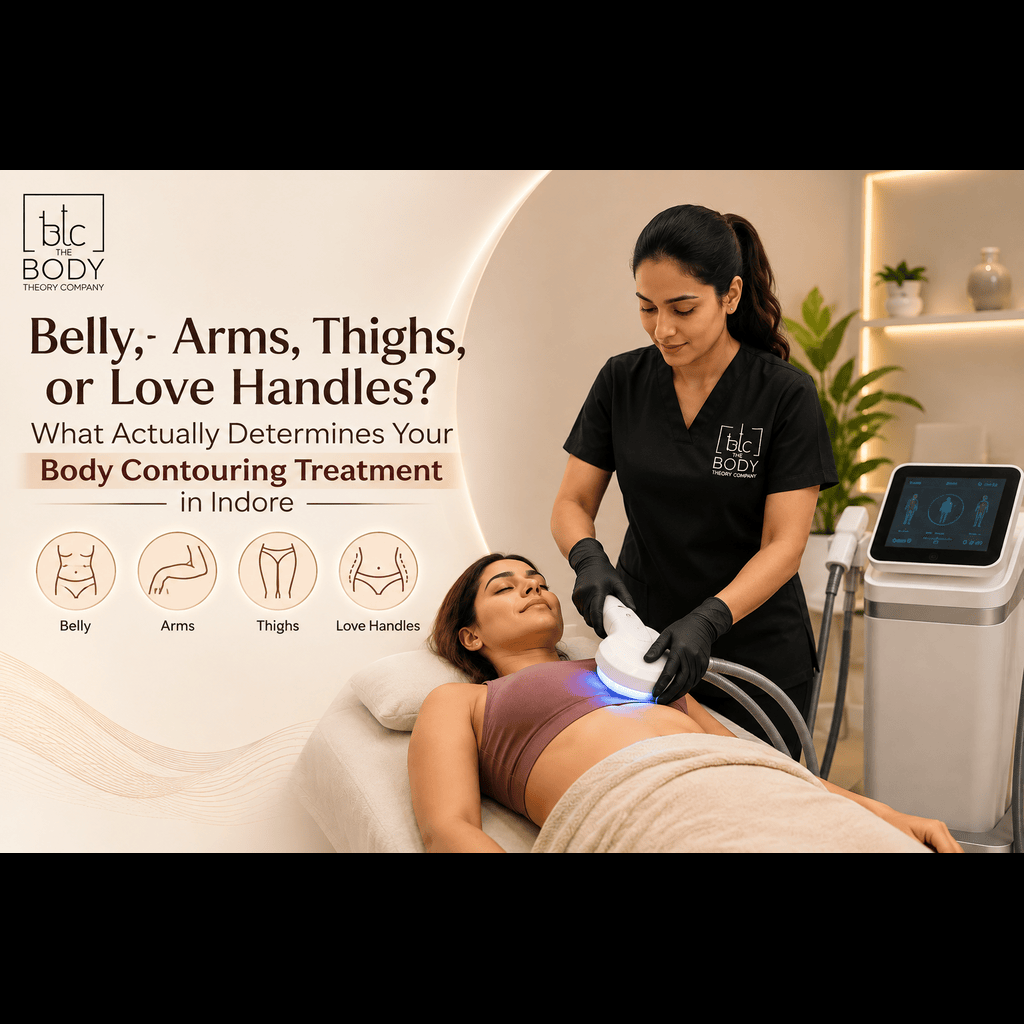
Your treatment choice comes down to three things: how firm or soft the fat is, how much skin laxity you have in that area, and what result you actually want, fat loss, tightening, or both. Body contouring is not one treatment applied everywhere the same way, it is a set of tools matched to a specific problem. The area you are treating decides which tool makes sense, not the other way around.
If you have been comparing options and wondering why one clinic suggests fat freezing for your belly but ultrasound for your thighs, this is why. Here’s what actually goes into that decision.
Why the Same Treatment Doesn’t Work Everywhere
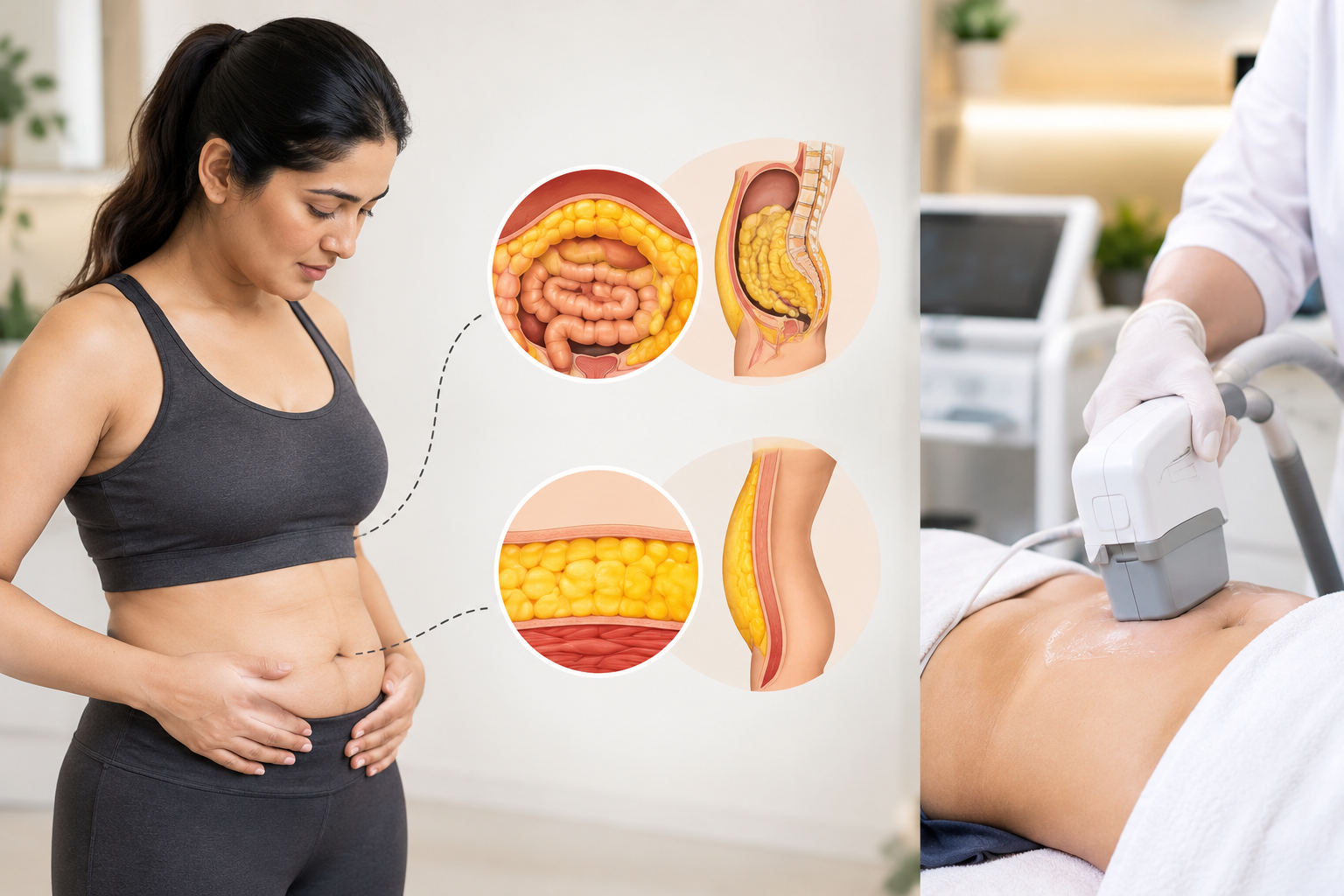
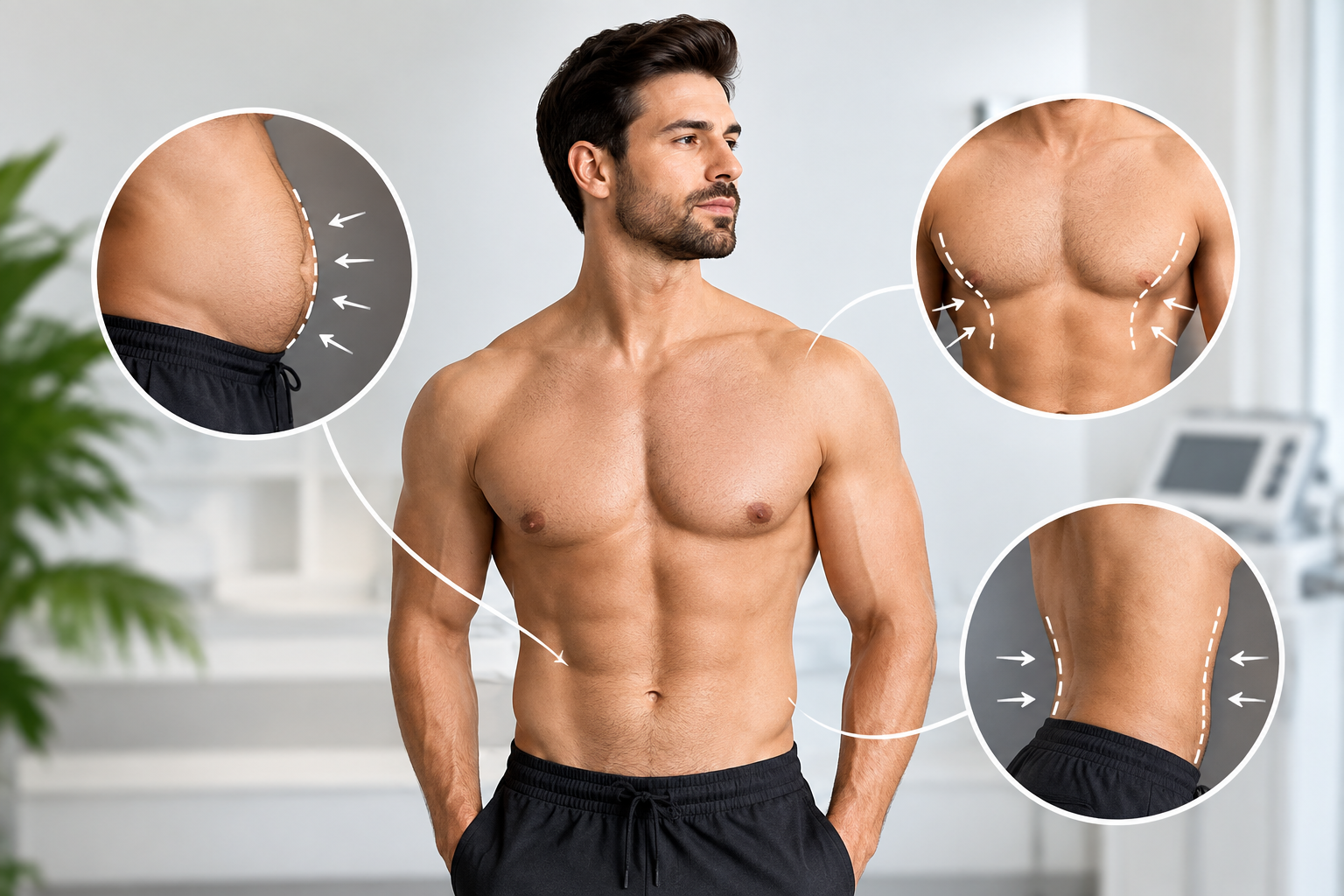
Fat behaves differently depending on where it sits on your body. Belly fat tends to be denser and closer to the surface. Thigh fat often comes with more skin elasticity concerns, especially after weight loss. Love handles sit on a narrow, curved strip of tissue that requires a more precise applicator. Treating all three with the same protocol usually yields average results everywhere rather than good results anywhere.
A few factors that genuinely shape the decision:
- Fat firmness. Dense, well-defined fat responds differently to cooling than soft, diffuse fat.
- Skin laxity. Areas with loose skin often need a heat or energy-based treatment that also tightens, not just a fat-reduction one.
- Area shape and size. Curved or narrow zones like the flanks need applicators built for that shape.
- Your goal. Are you after fat loss, firmer skin, or a combination of both? This changes the entire plan.
Belly Fat: Usually the Most Straightforward Area
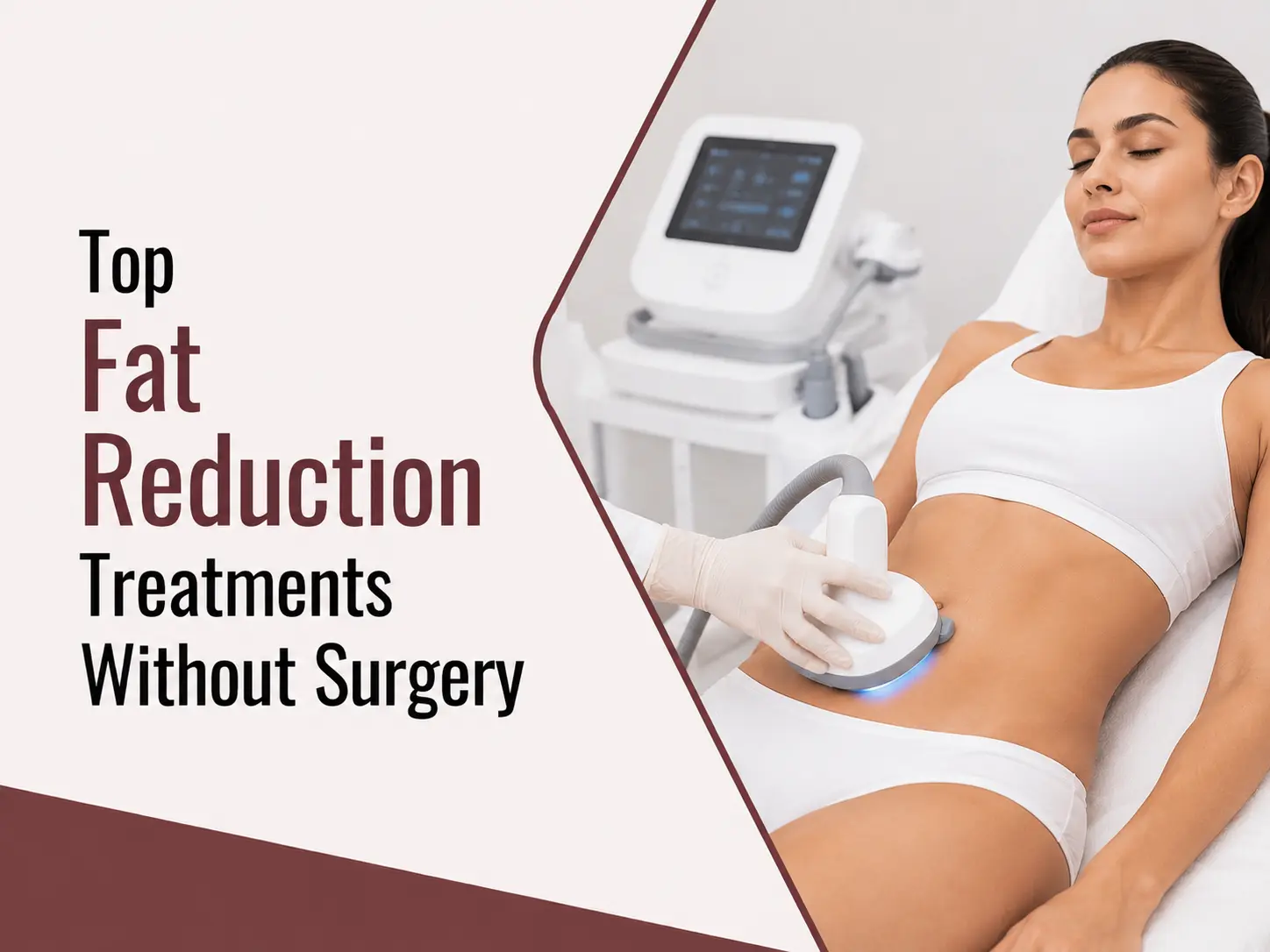
The abdomen is one of the more common areas people bring up first, and for good reason; it tends to hold fat that resists both diet and exercise. Belly Fat Removal Treatment in Indore typically uses either fat freezing or ultrasound-based methods, depending on how thick the fat layer is and whether skin firmness is also a concern.
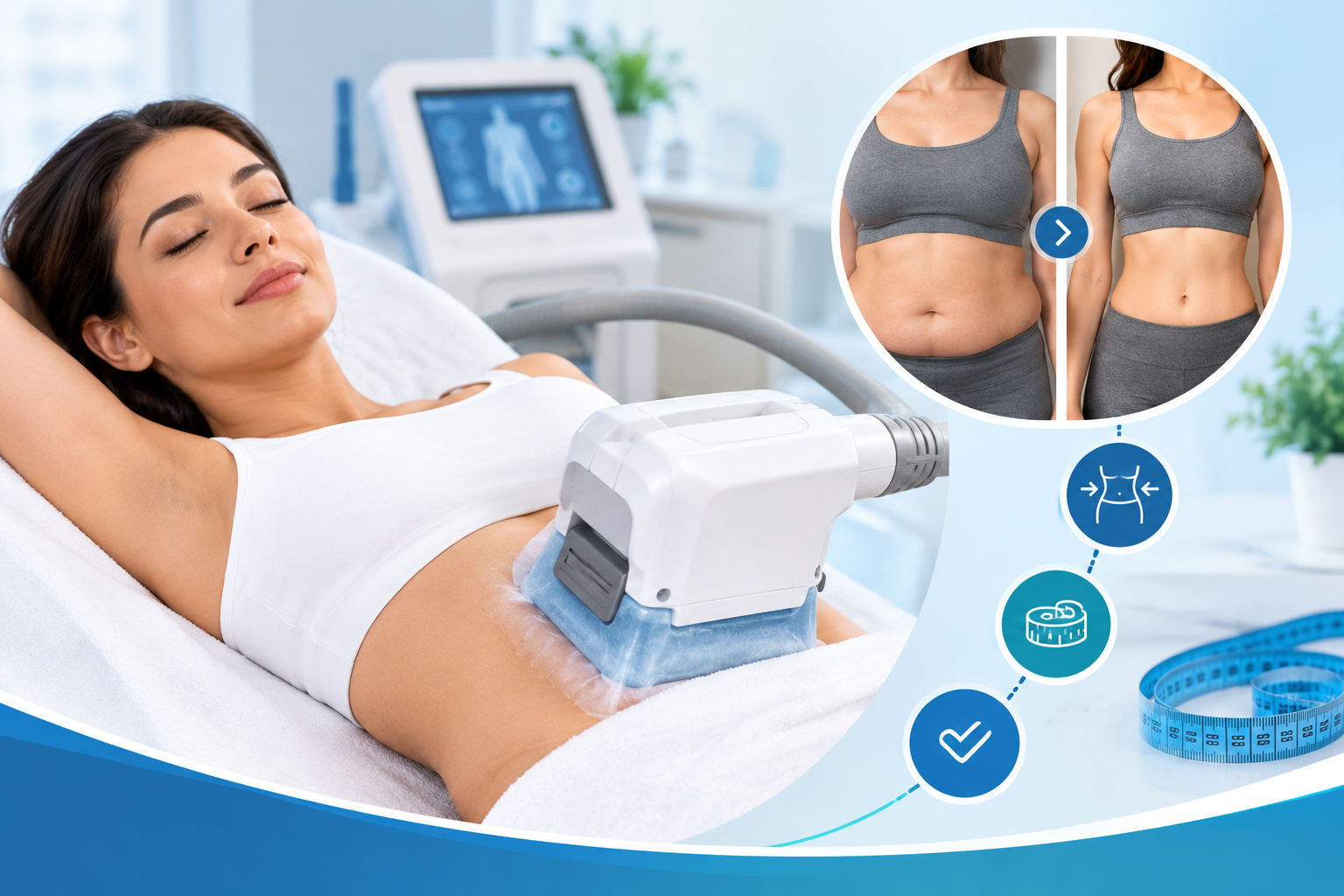
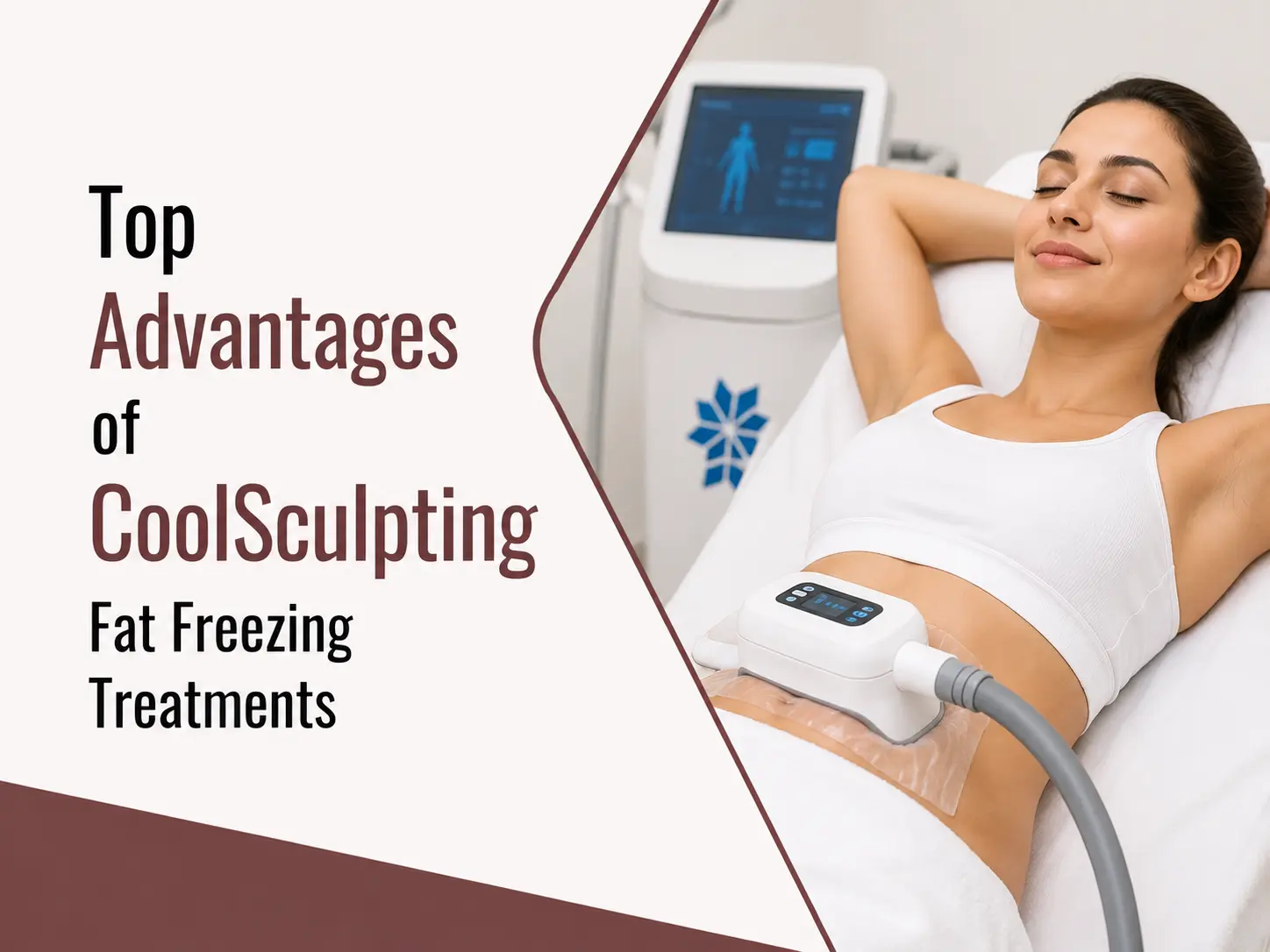
- Fat freezing works well for a defined, pinchable layer of fat around the midsection
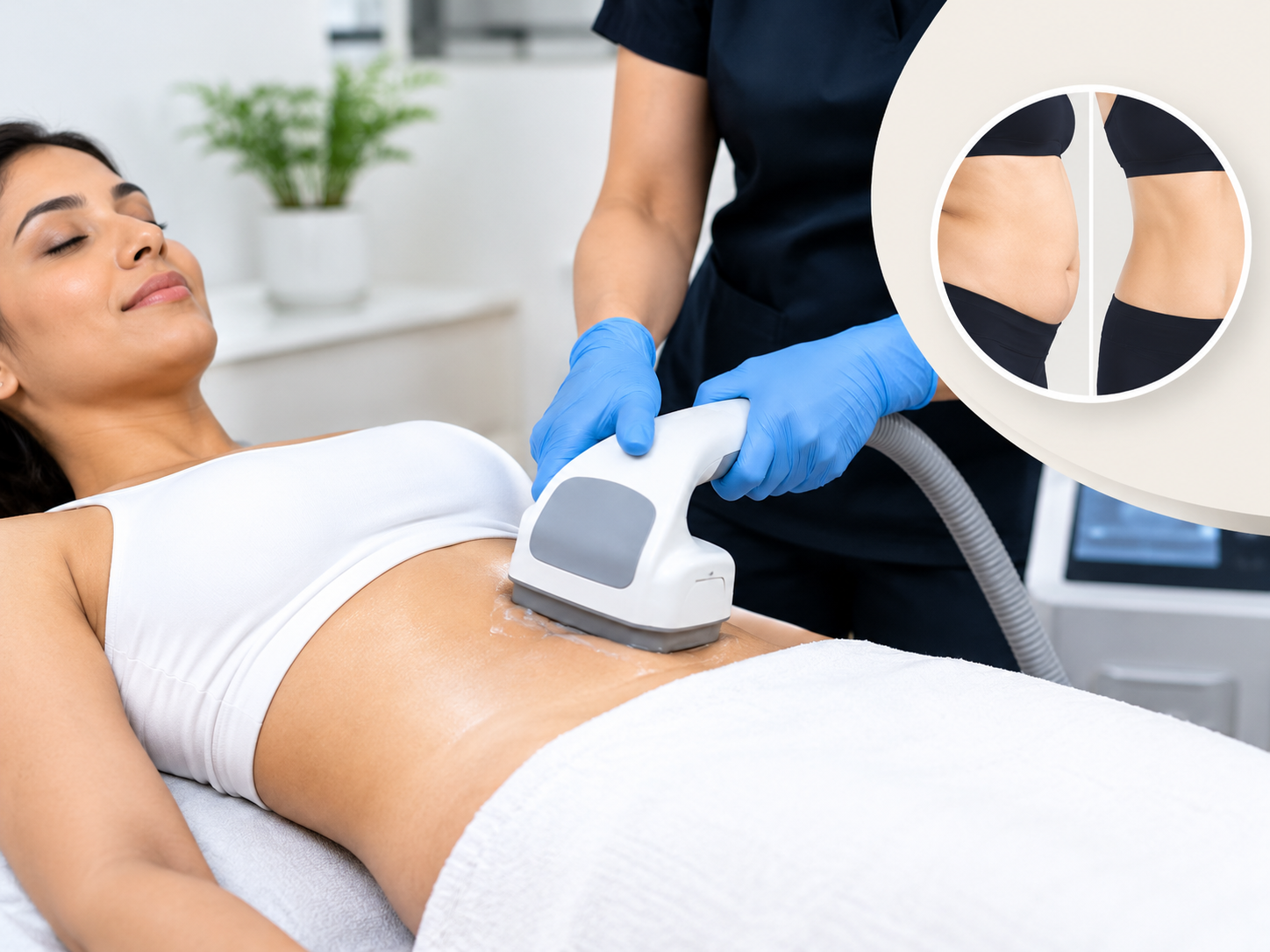
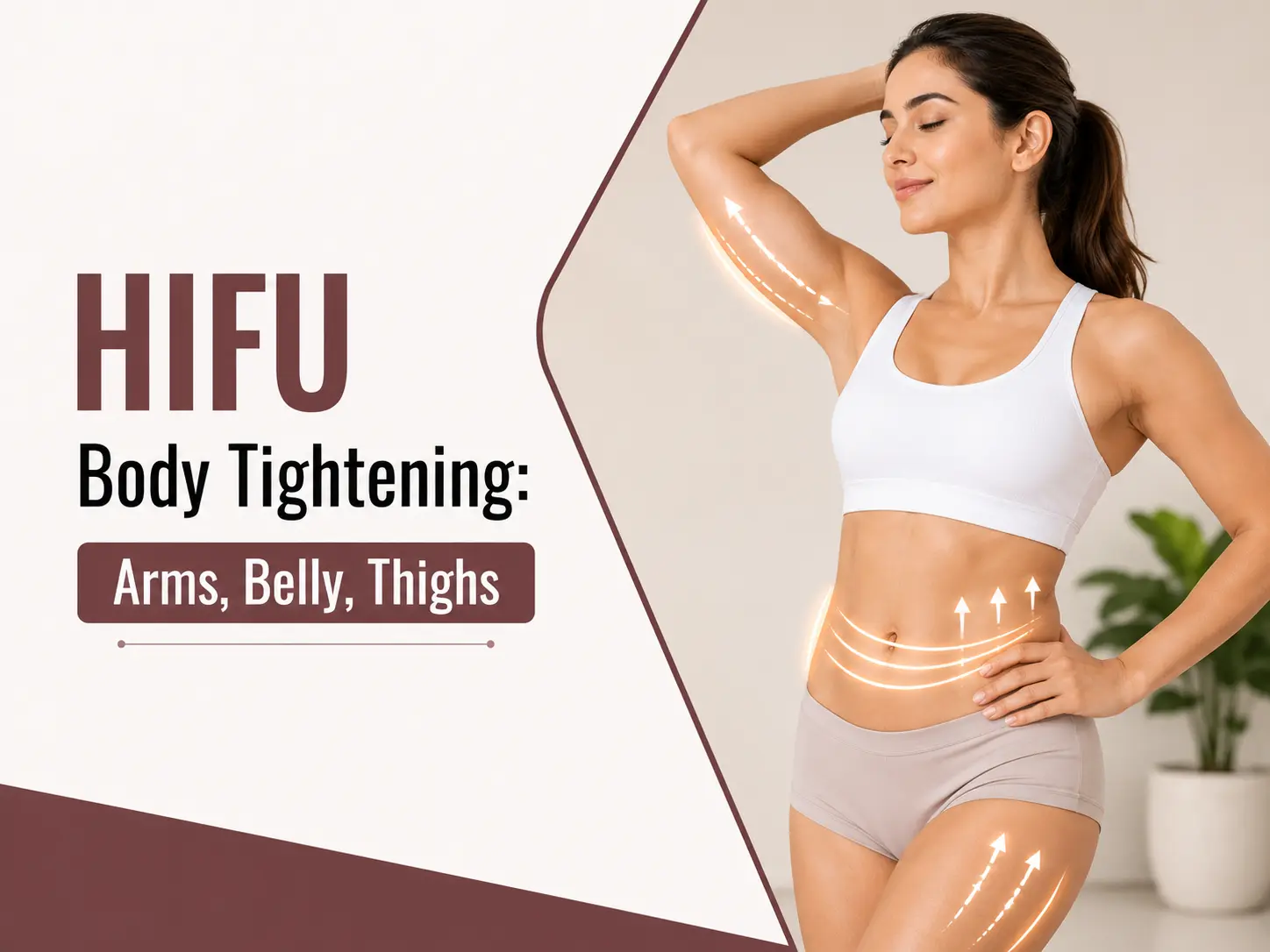
- Ultrasound-based treatment suits people with a mix of fat and mild skin looseness
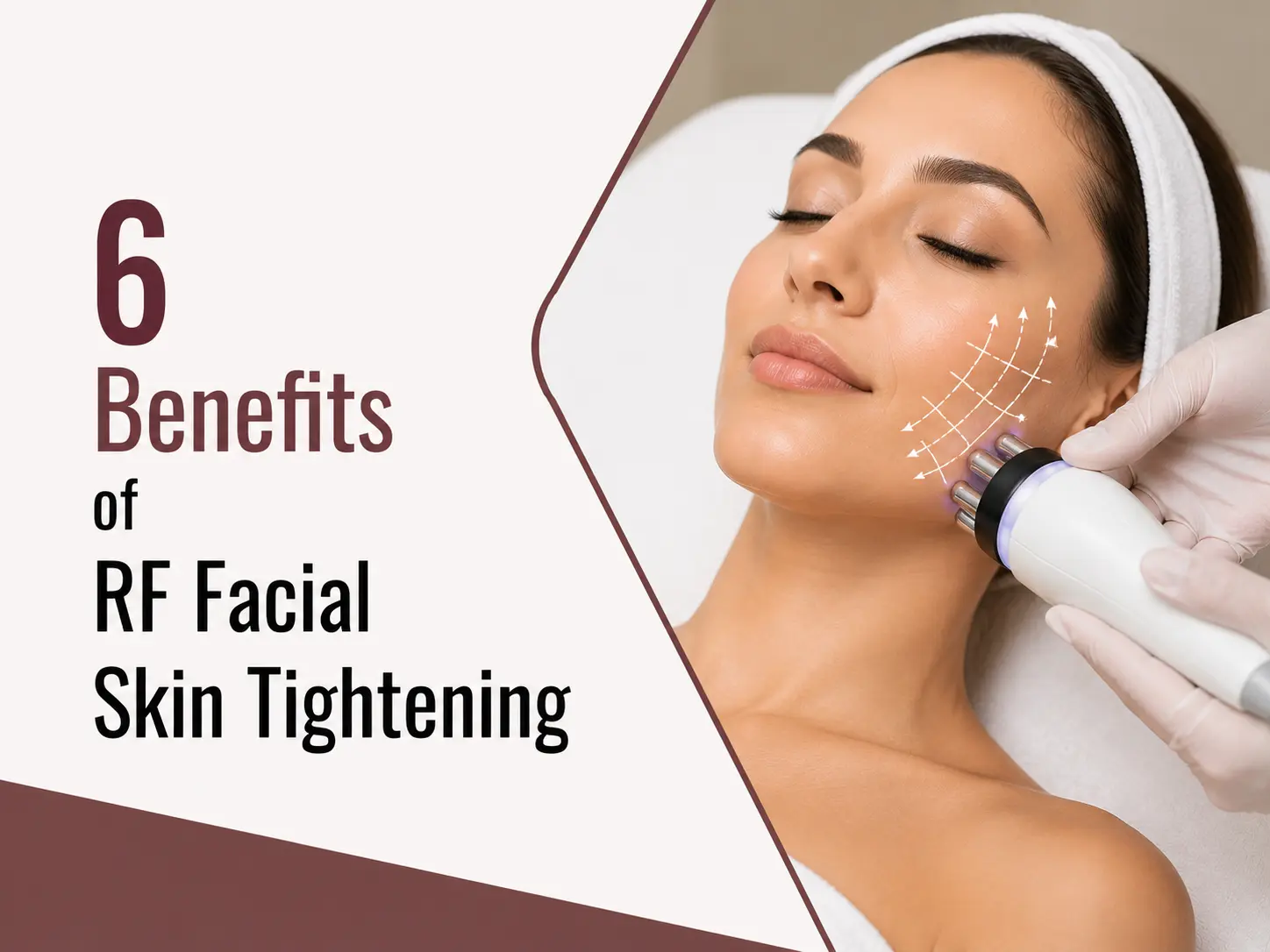
- Radiofrequency is often added afterward if the skin needs extra tightening
Most people need 2 to 4 sessions for the abdomen, spaced a few weeks apart, with visible change usually starting around week 4.
Love Handles: A Different Shape, A Different Approach
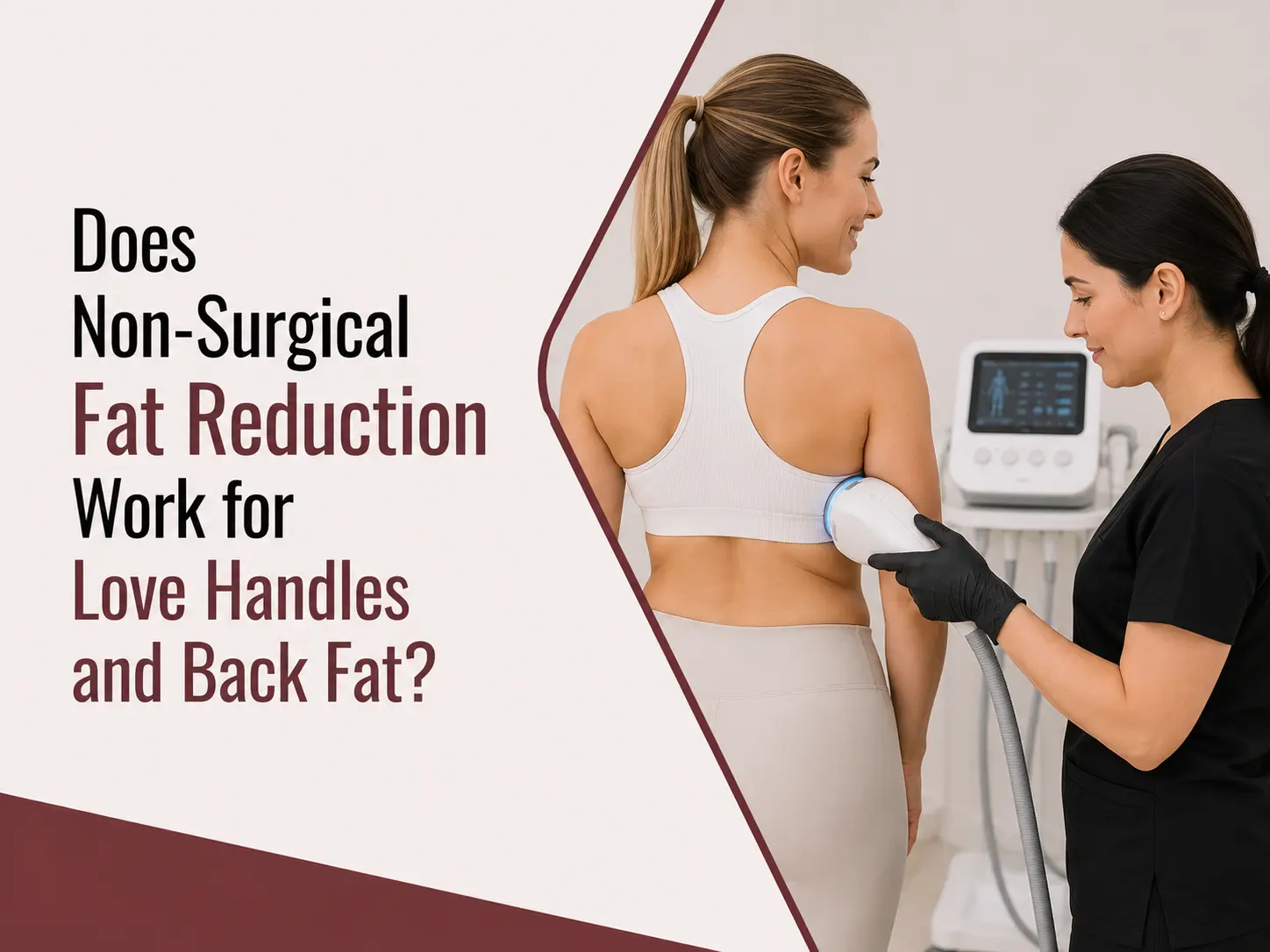
The flanks curve around the sides of your waist, which means the applicator and technique need to follow that shape rather than treat it like a flat surface. Love Handles Treatment in Indore generally responds well to fat freezing because the tissue there tends to be more clearly defined and easier to isolate with a targeted applicator.
What makes love handles slightly different from belly fat:
- The fat sits in a narrower band, so precision matters more
- Skin in this area usually retracts well after fat removal, so tightening isn’t always needed separately
- Most people see results in fewer sessions here compared to the abdomen, often just 1 to 2
If your love handles are your main concern but you are also holding onto fat elsewhere, treating this area first is often a good starting point since results tend to show up quickly and predictably.
Thigh Fat: Where Skin Quality Changes the Plan
Thighs bring in a variable that belly and flank treatments don’t always deal with as much, skin elasticity. Thigh Fat Reduction Treatment in Indore needs to account for whether you are dealing with pure fat, or fat combined with looser skin, especially on the inner thigh.
- Outer thighs usually have firmer fat and respond well to fat freezing alone
- Inner thighs often need a combination approach, since skin there tends to be thinner and more prone to sagging after fat loss
- Larger thigh areas may need more sessions simply due to surface area, often 3 to 5 depending on your goals
This is one of the areas where skipping the skin-quality conversation during consultation leads to underwhelming results. If a clinic doesn’t ask about your skin condition before recommending a treatment for your thighs, that’s a gap worth pointing out.
Arms: Often Overlooked, But Not an Afterthought
Upper arm fat, sometimes called “bat wings,” tends to involve more skin laxity than other areas, particularly if there has been a noticeable weight change. Heat-based or radiofrequency treatments are often preferred here since they address both the fat and the skin tightening in one plan, rather than treating them as two separate problems.
So How Do You Actually Decide?
Here’s a simple way to think about it before your consultation:
- Identify your main concern. Is it fat volume, loose skin, or both?
- Consider the area’s shape. Flat zones like the belly, curved zones like the flanks, and larger zones like the thighs all need different applicator approaches.
- Be honest about your timeline. Some areas show change faster than others, and that’s normal, not a sign something went wrong.
- Ask what technology fits your specific case. A good specialist won’t recommend the same treatment for every area without examining you first.
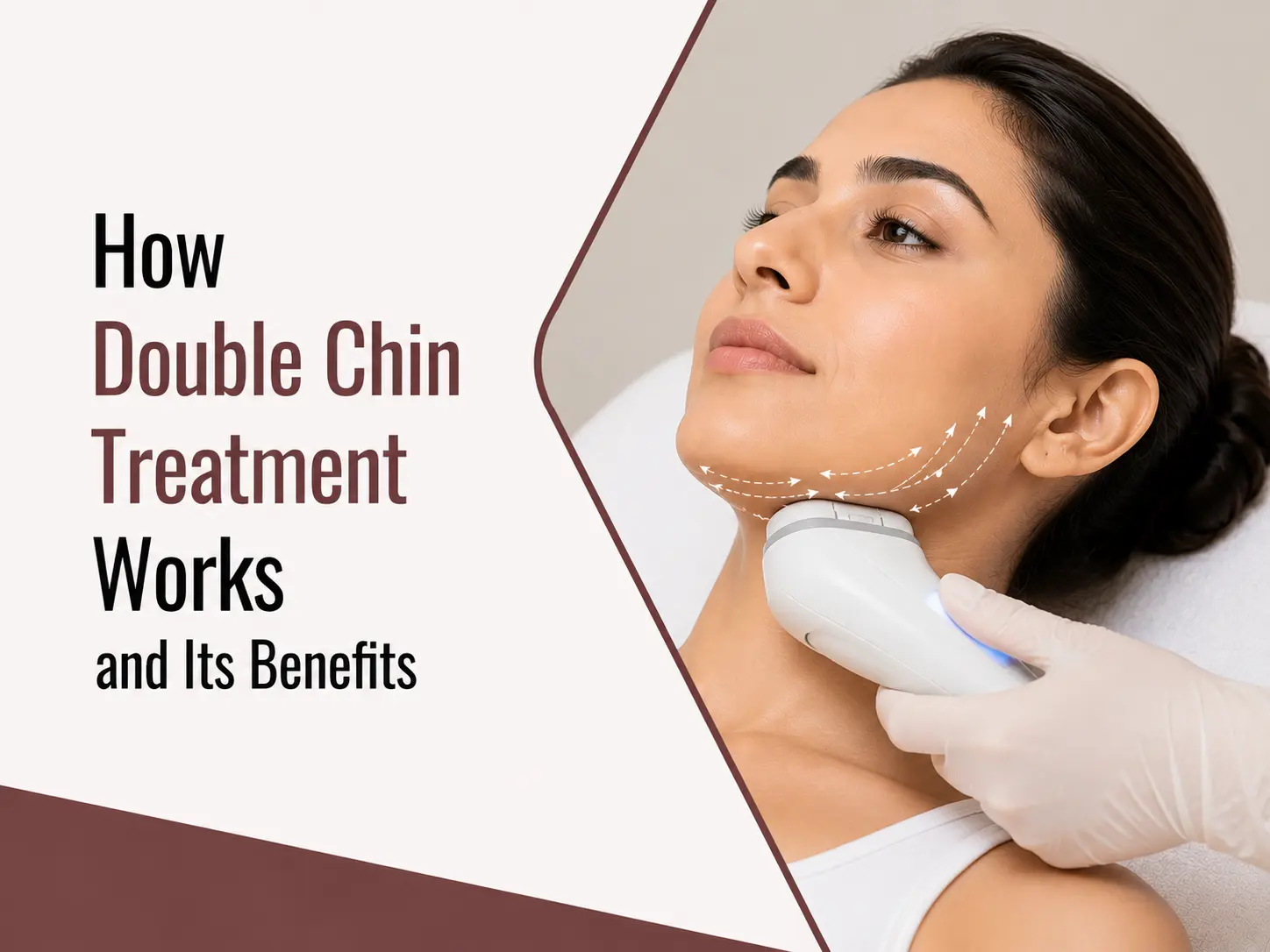
If you want a deeper look at how fat freezing, HIFU, and radiofrequency actually compare on a technical level, our breakdown of which non-surgical treatment fits which situation goes into more detail on that side of the decision.
Can You Treat Multiple Areas Together?
Yes, and many people do. Combining areas in one visit, such as the belly and love handles, or both thighs, is common and often more time-efficient than spacing them out across separate appointments. The key is making sure each area still gets its own proper assessment rather than a blanket approach, since what works for your belly won’t automatically work the same way for your thighs.
What a Good Consultation Should Cover
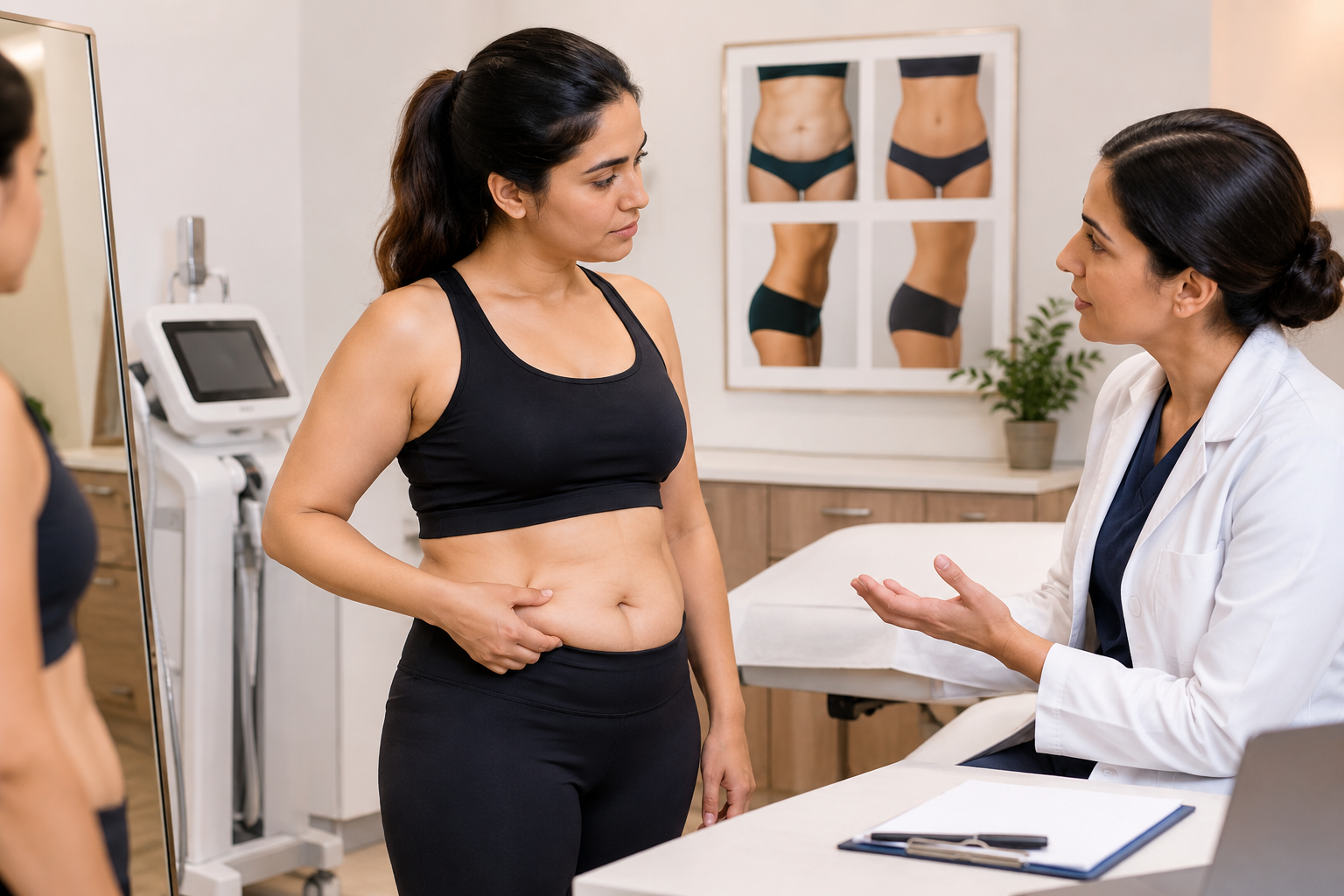
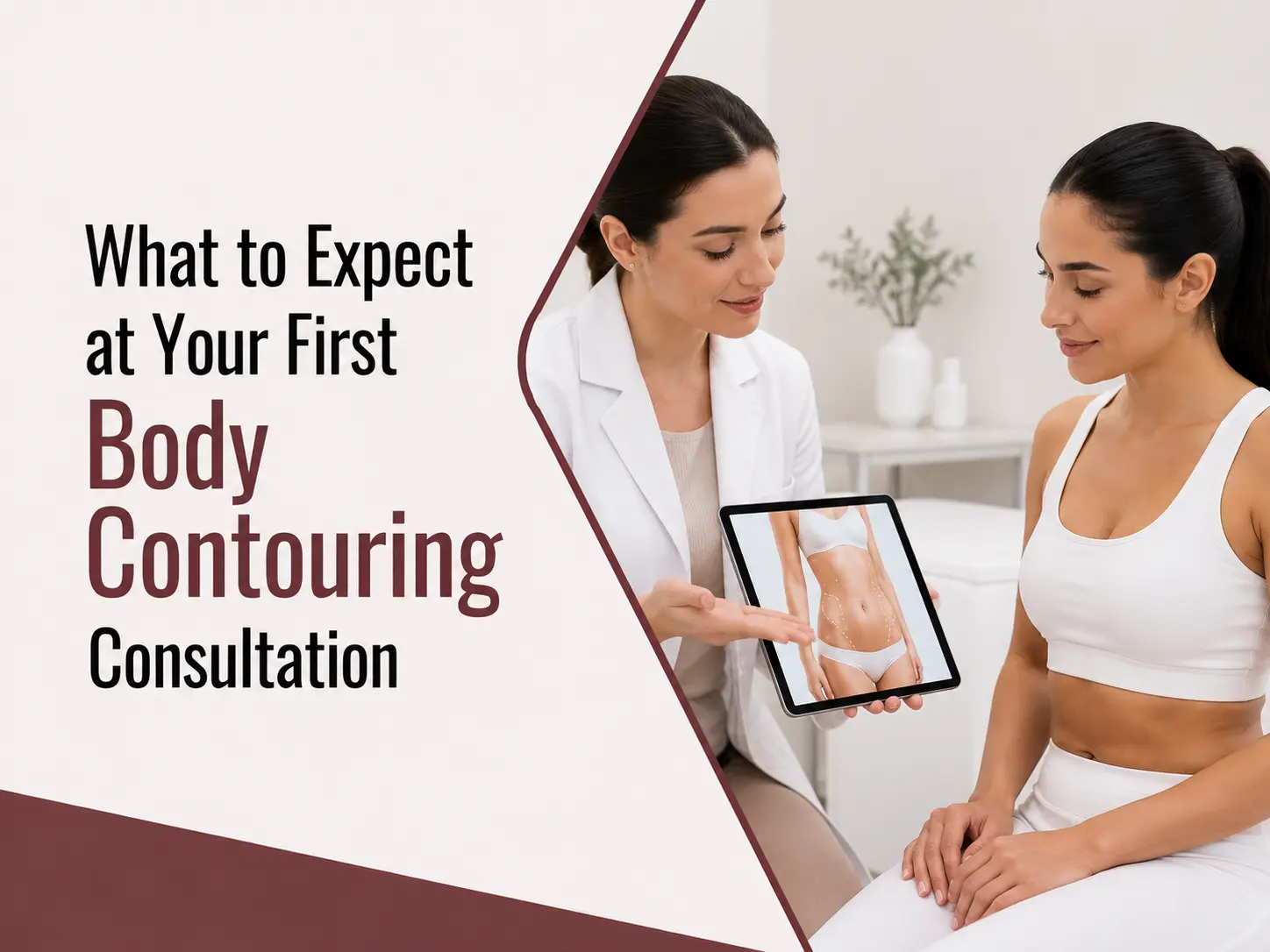
Before committing to any plan, your specialist should walk you through:
- A physical check of each area you want treated
- Which treatment fits which zone, and why
- A realistic session count and timeline for that specific combination
- Honest expectations about what will and won’t change
At The Body Theory Company, treatment plans are built around this kind of area-by-area assessment rather than a single package applied to everyone. If you’re comparing belly, thigh, and love handles concerns together, a proper consultation will map out which technology fits which area on your body specifically, not just what worked for someone else.
The clinic is located near Shanti Niketan Gate, behind Bombay Hospital, in Vasant Vihar Colony, Indore, for anyone who wants to walk in, ask questions, and see the setup before deciding on a plan.
Frequently Asked Questions
1. Is the same treatment used for belly fat and thigh fat?
Not always. Belly fat is often denser and responds well to fat freezing or ultrasound methods, while thighs, especially the inner thigh, may need a treatment that also addresses skin laxity. The right choice depends on your specific fat and skin condition in that area.
2. Which treatment works best for love handles?
Fat freezing is commonly preferred for love handles since the fat there tends to be well-defined and easy to target precisely with a shaped applicator. Most people need fewer sessions here than for larger areas like the abdomen.
3. Can I treat my belly, thighs, and love handles in one plan?
Yes, combining areas in a single treatment plan is common. Each area still needs its own assessment, since fat type and skin quality can differ significantly even within the same person.
4. How many sessions does body contouring usually take?
It varies by area. Love handles often need just 1 to 2 sessions, the belly typically needs 2 to 4 sessions, and thighs may need 3 to 5 sessions depending on size and skin condition.
Ready to Find Out What Fits Your Body?
The only way to know which treatment actually fits your belly, thighs, or love handles is a proper assessment, not a guess based on what worked for someone else. Book your free consultation today and get a treatment plan built around your specific body, not a one-size-fits-all package.