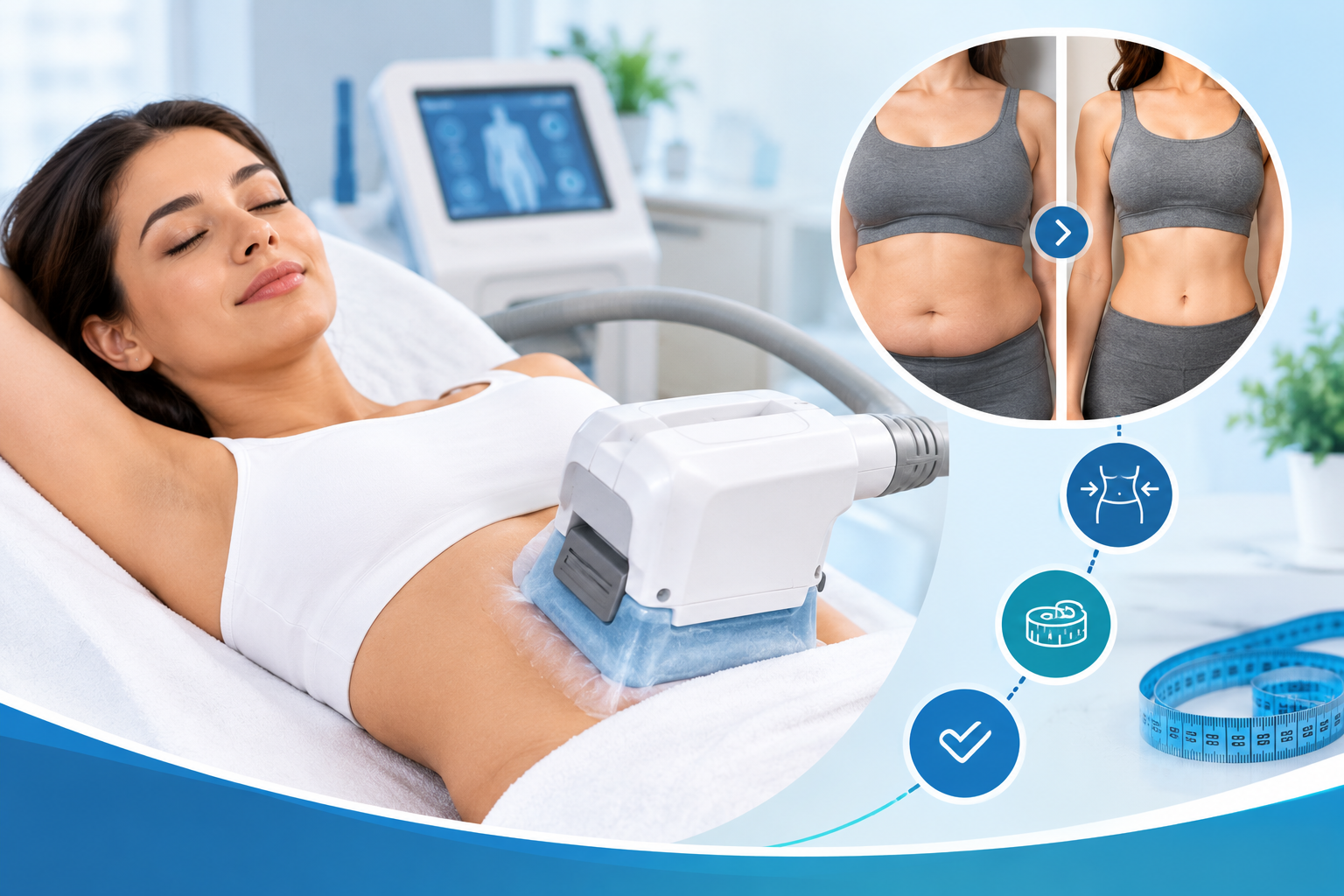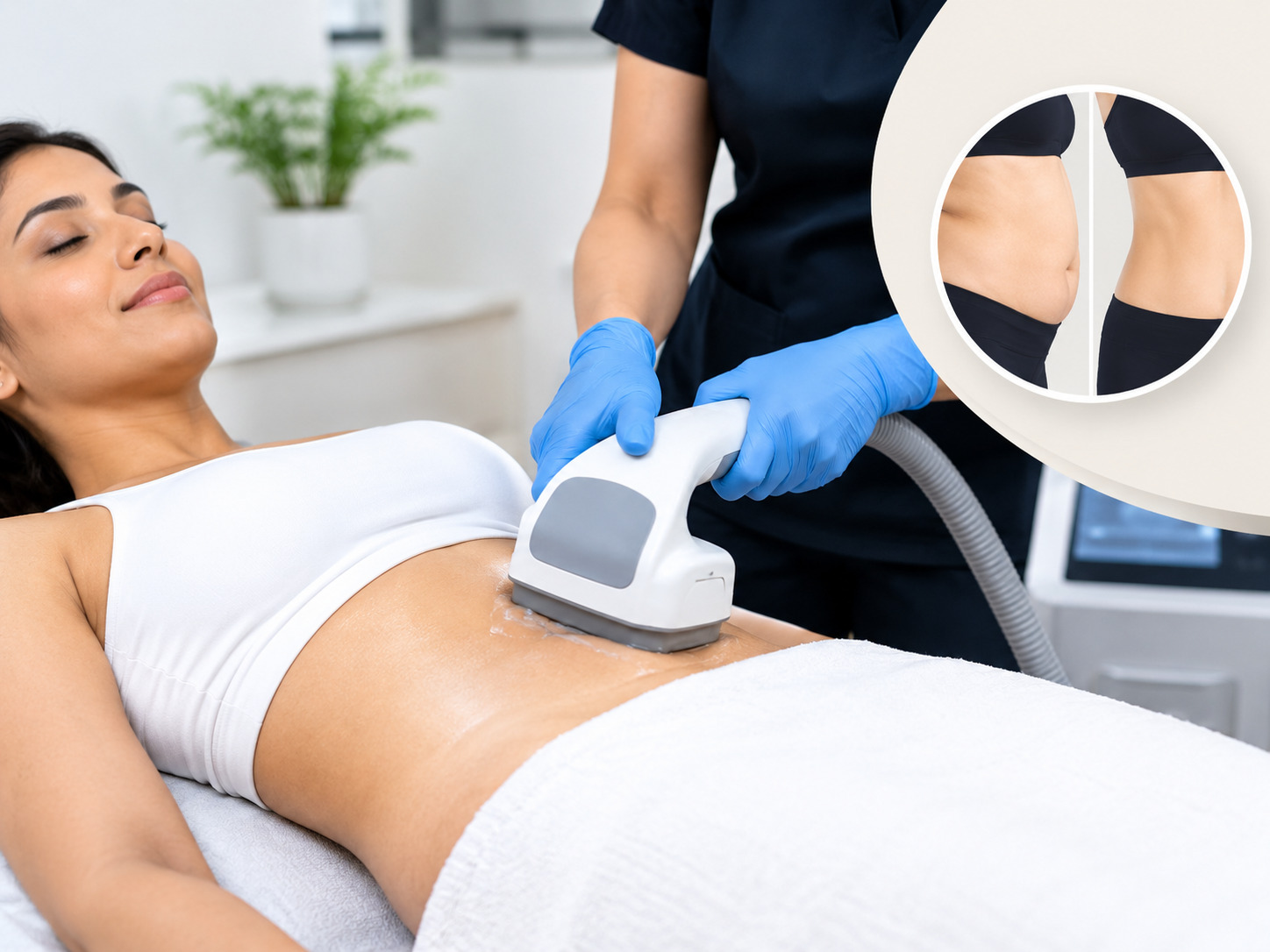
EMS can help sharpen muscle definition when you’re already training consistently, but it doesn’t replace resistance work or build muscle mass on its own. It activates muscle fibers more intensely than a typical workout, which is genuinely useful for definition and recovery, but it’s a complement to your gym routine, not a shortcut around it. If you’re already lifting and wondering whether this is worth adding, here’s the honest answer.
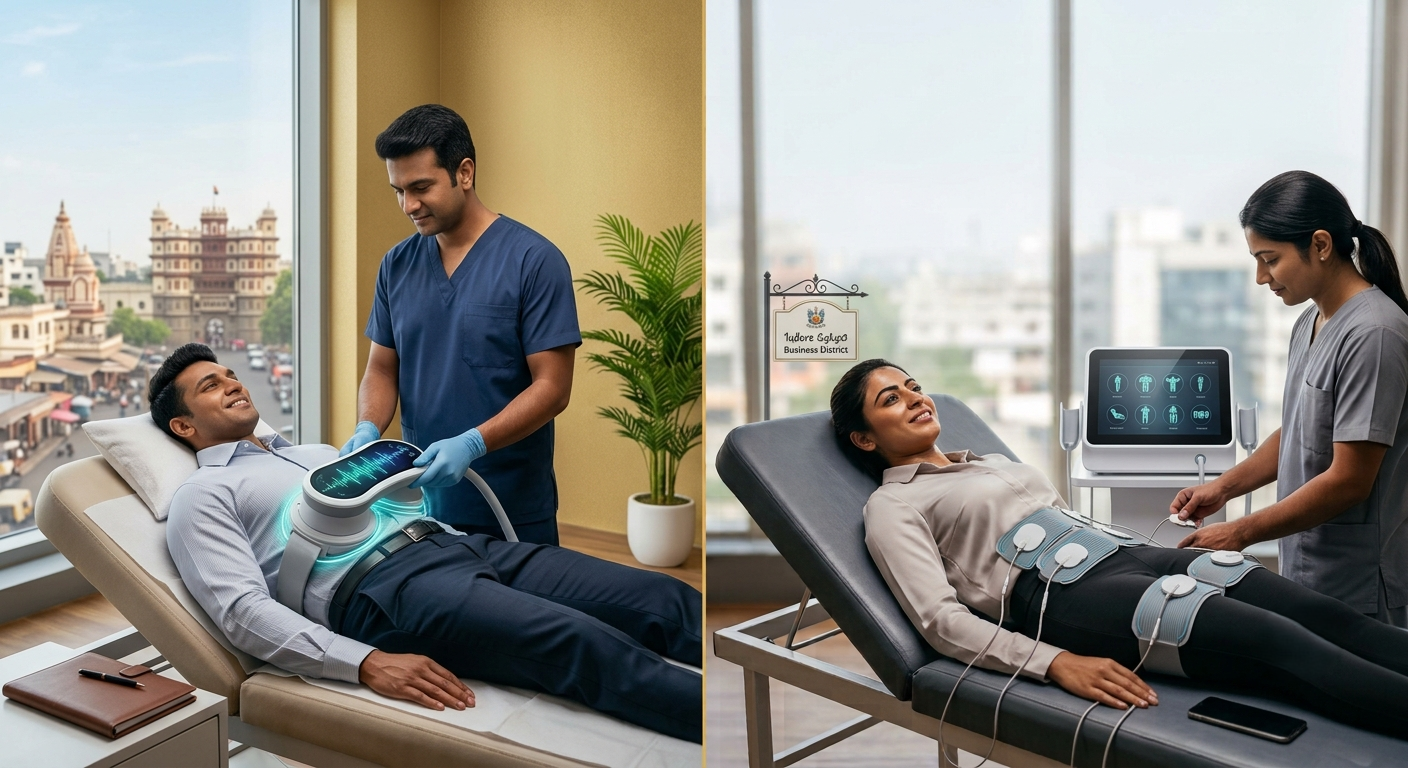
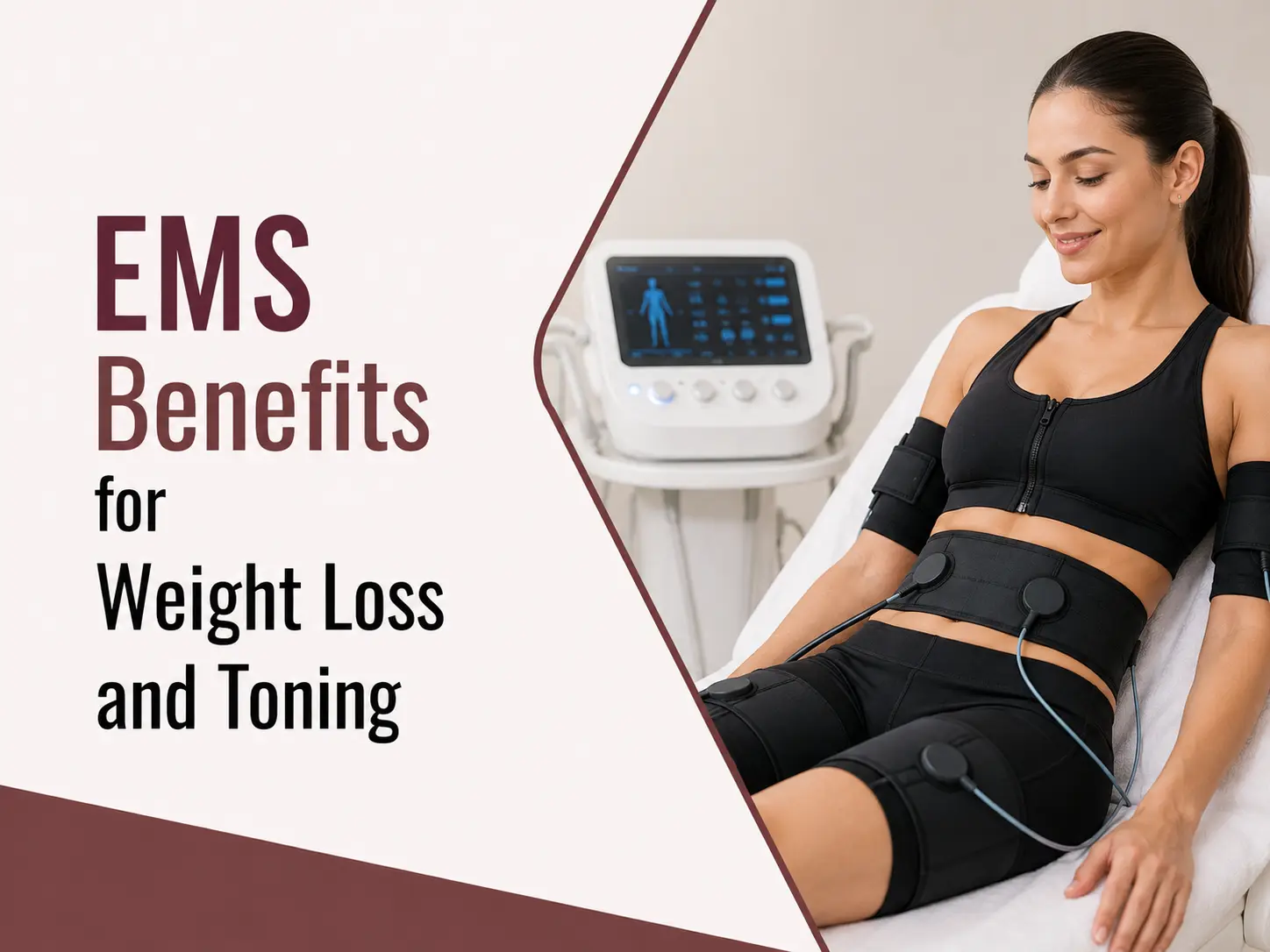
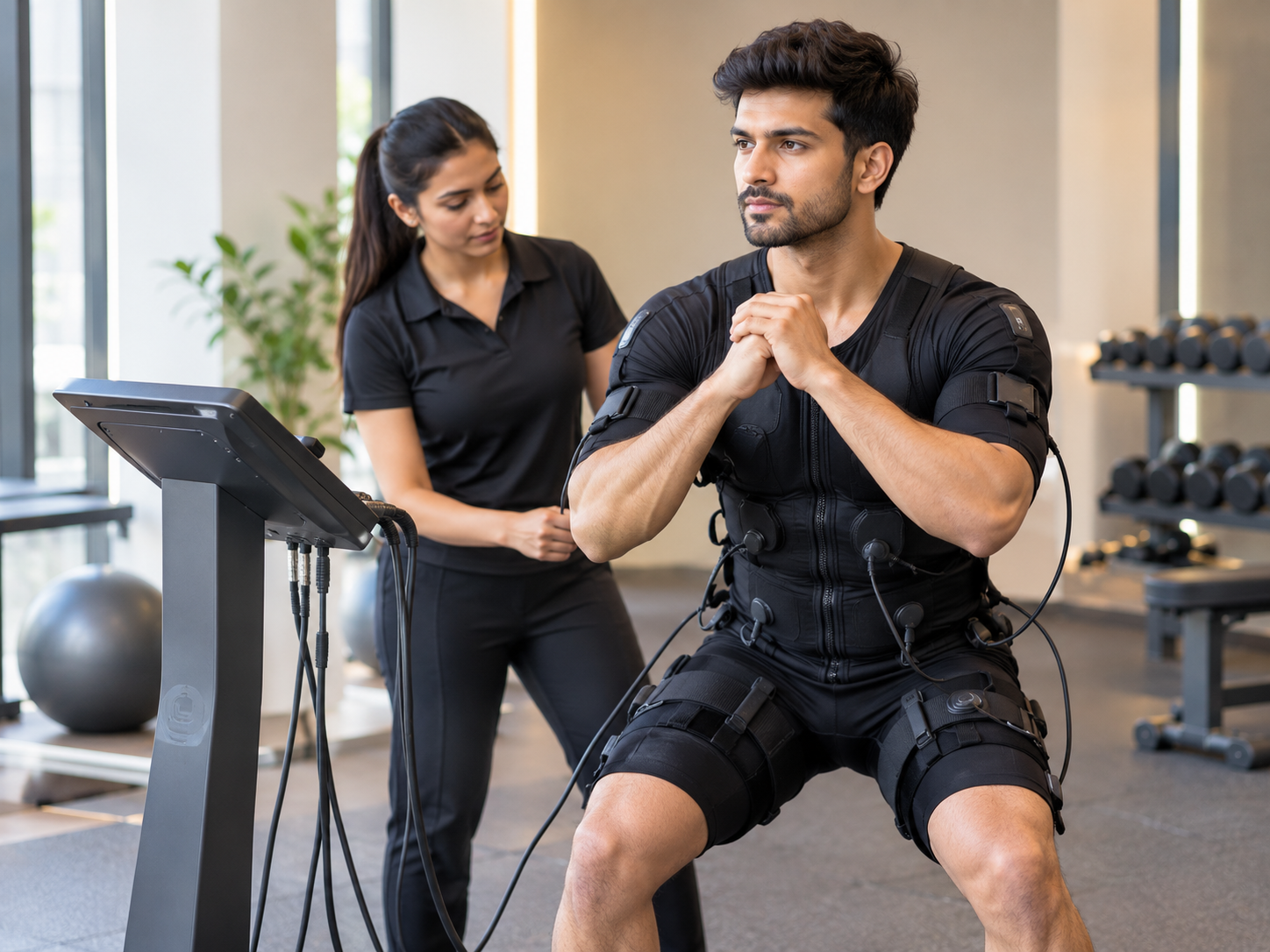
EMS devices (electronic muscle stimulators) send controlled electrical pulses through electrodes placed on your target muscles, triggering contractions similar to what happens during a heavy lift, except the machine can recruit more muscle fibers in a single session than voluntary contraction usually does. For someone already training, that extra activation is where the real value shows up.
Can EMS Actually Improve Muscle Definition After Training?
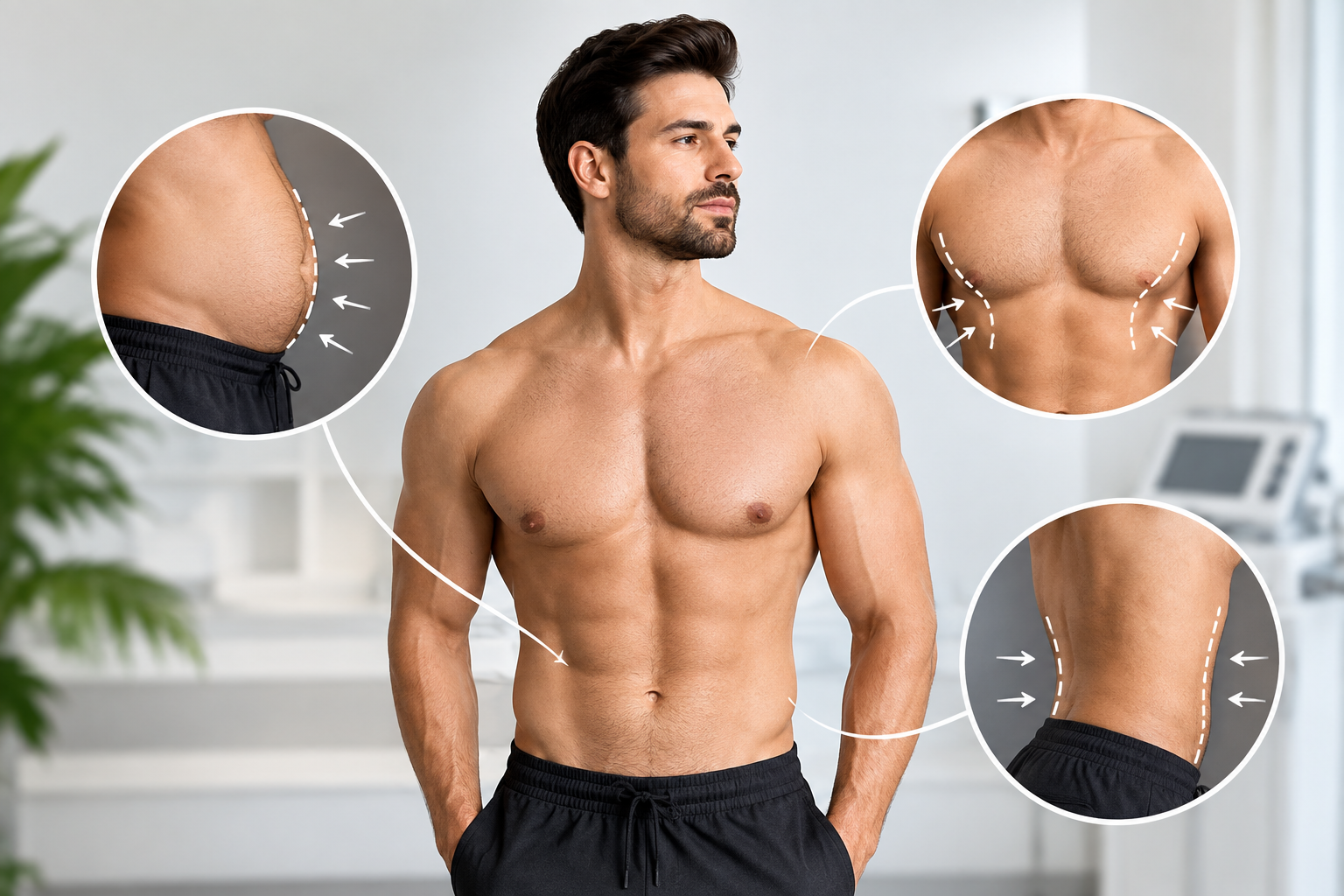
Here’s the honest science. EMS activates muscle fibers, including some deeper fibers that voluntary contraction doesn’t always fully recruit, which is why it’s genuinely useful for definition work. What it doesn’t do is build significant new muscle mass on its own, that still requires progressive resistance training over time. Think of EMS as sharpening what you’ve already built, not constructing it from scratch.
This distinction matters because a lot of marketing blurs the two. If you’re already putting in gym hours, EMS can help with:
- Muscle activation depth. Reaching fibers that don’t always fire fully during a normal set
- Definition and tone. More visible separation and firmness in already-developed muscle
- Recovery support. Some clients use it post-workout to ease tightness in overworked areas
If you’re not training at all, EMS alone won’t get you the results a consistent gym routine would. It works best as an addition, not a substitute.
How EMS Fits Into a Routine You’ve Already Built
Most gym-goers who add EMS treatment in Indore to their routine aren’t replacing training days, they’re layering it in around their existing schedule.
- Post-workout sessions. Some clients do a short EMS session after training specific muscle groups, since the tissue is already primed
- Rest day sessions. Others use EMS on a rest day to keep muscle activation consistent without adding training volume
- Targeted definition work. Areas that respond slowly to normal training, like the lower abs or inner thighs, sometimes benefit from the extra recruitment EMS provides
A typical session runs 20 to 30 minutes and activates the treated muscle group far more intensely than voluntary effort alone, which is the entire appeal for someone who already has a training base to build on.
What Gym-Goers Notice That Beginners Don’t
People who are already lean and training regularly tend to notice different things from EMS than someone starting from scratch:
- Sharper definition in areas that were already developed but lacked separation
- A different kind of post-session fatigue, more localized and intense than typical soreness
- Faster perceived recovery in muscles treated shortly after a heavy session
If you’re newer to EMS and want the fundamentals before layering it into an existing routine, it’s worth reading how EMS therapy works for toning and what results actually look like first, since that covers the basics this guide builds on.
Already training and curious if EMS fits your routine? Book a Free EMS Assessment → A quick consultation will tell you honestly whether it’s worth adding.
Emsculpt vs Generic EMS: What’s Actually Different
Not all EMS technology is built the same, and this matters more for gym-goers than casual users, since you’ll notice the difference in intensity and precision.
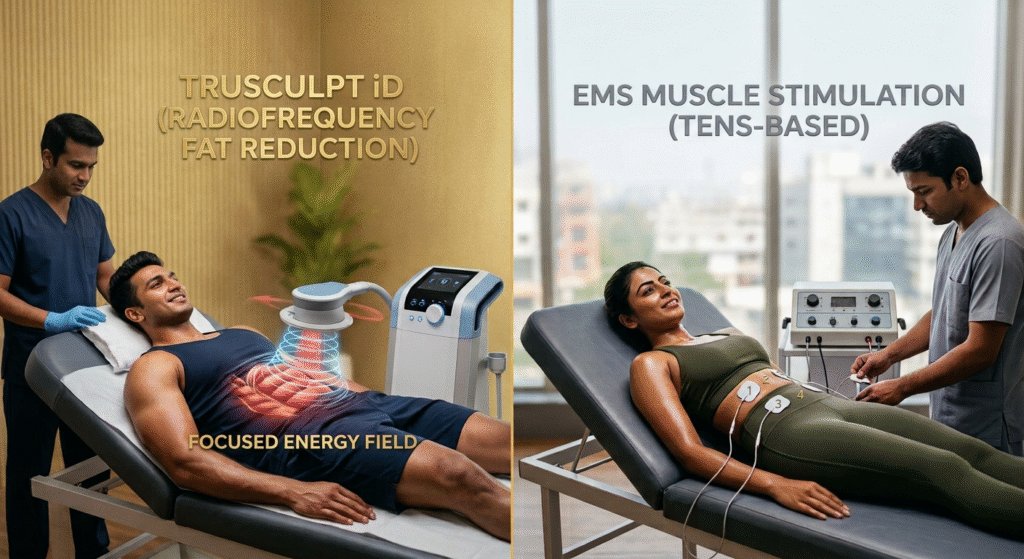
- Emsculpt-style branded devices typically deliver higher, more clinically validated energy output, built specifically for muscle building and definition protocols
- Generic EMS units, including some home devices, often can’t reach the same intensity, which limits how much they can actually add to an already-trained physique
- If you’ve searched Emsculpt treatment near me specifically rather than generic EMS, it’s usually because you already know the difference matters for your goals
Ask directly what equipment a clinic uses before booking. For someone already training hard, a weaker device simply won’t move the needle much.
Who Shouldn’t Rely on EMS Alone
Being straightforward here protects your results and your expectations:
- If you’re not currently training, EMS won’t substitute for the muscle-building stimulus resistance work provides
- If your goal is significant strength or size gain, EMS supports definition, not raw strength progression
- If you have any cardiac condition, a pacemaker, or are pregnant, EMS is generally not recommended without medical clearance first
A proper consultation should screen for all of this before recommending a plan.
Finding the Right Setup in Indore
Equipment quality matters more here than in almost any other treatment category, since underpowered devices simply can’t deliver the intensity a trained body needs to notice a difference. Ask specifically what technology is used, and whether sessions are calibrated to your current training level rather than a generic setting applied to everyone.
At The Body Theory Company, EMS sessions for active clients are calibrated individually rather than run on a fixed protocol. If you’ve searched for electric muscle stimulator physical therapy clinics assuming EMS is only rehabilitation-focused, it’s worth knowing the same underlying technology is also used specifically for definition and performance goals when the intensity and settings are right for an athletic client. The clinic is located near Shanti Niketan Gate, behind Bombay Hospital, in Vasant Vihar Colony, Indore, for anyone who wants to see the equipment and ask questions directly.
Frequently Asked Questions
1. Does EMS build muscle like weightlifting does?
Not on its own. EMS activates muscle fibers intensely, which helps with definition and tone, but progressive resistance training is still what drives actual muscle growth over time. EMS works best as a complement, not a replacement.
2. How often should gym-goers use EMS?
Most people who are already training add EMS once or twice a week, either on a rest day or shortly after training a specific muscle group, rather than daily.
3. Is Emsculpt better than regular EMS for muscle definition?
Branded, higher-intensity systems like Emsculpt are generally built for more targeted muscle definition work and tend to deliver more noticeable results for people who are already lean and trained, since generic devices often can’t reach the same energy output.
4. Can EMS help with post-workout recovery?
Some clients use EMS on rest days or after intense sessions to ease tightness in specific muscle groups, though it should complement, not replace, standard recovery practices like sleep and hydration.
Ready to See If EMS Fits Your Training?
If you’re already putting in the work at the gym, the real question is whether EMS adds anything meaningful on top of it. Book your free consultation today and get an honest answer based on your current training, not a generic sales pitch.