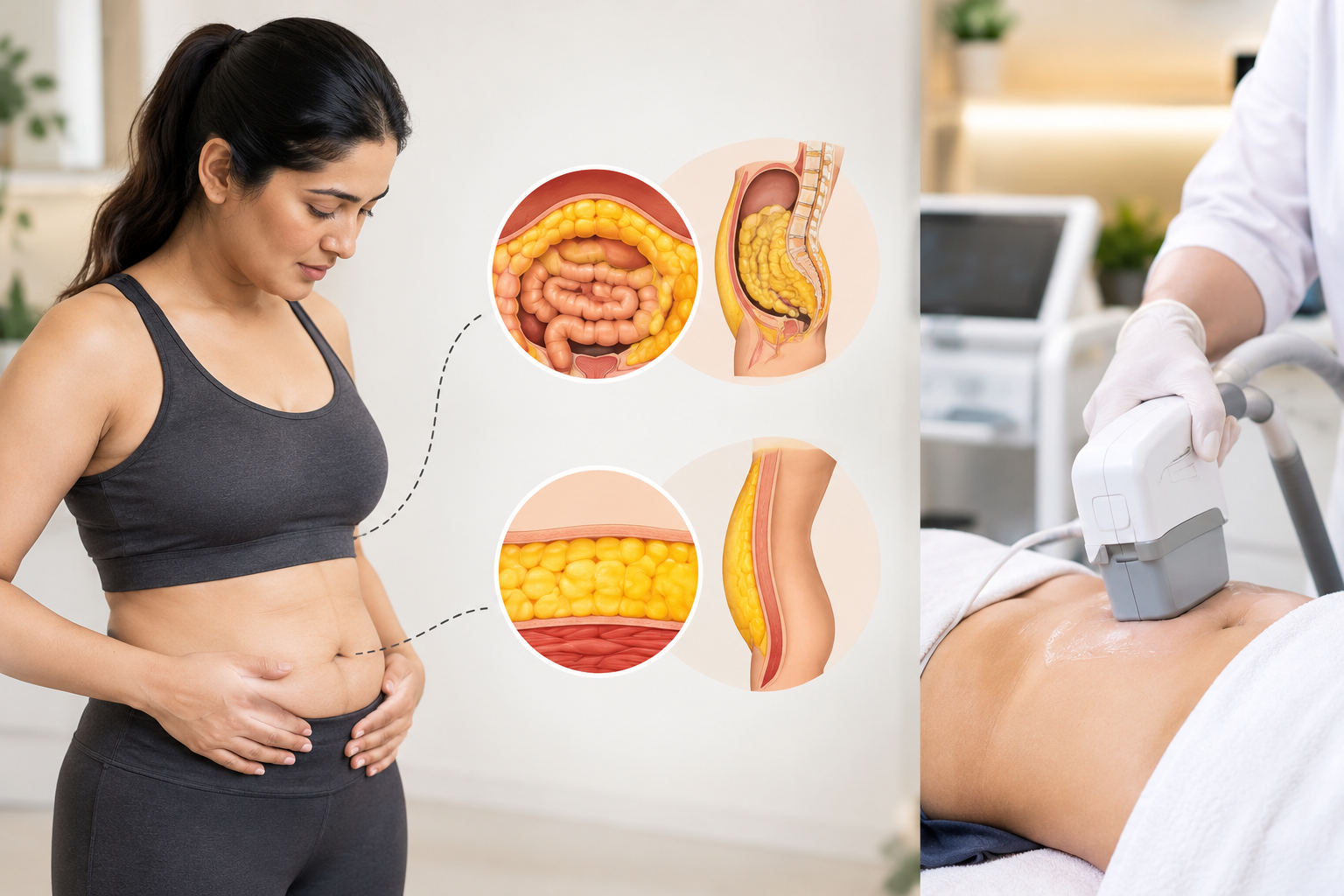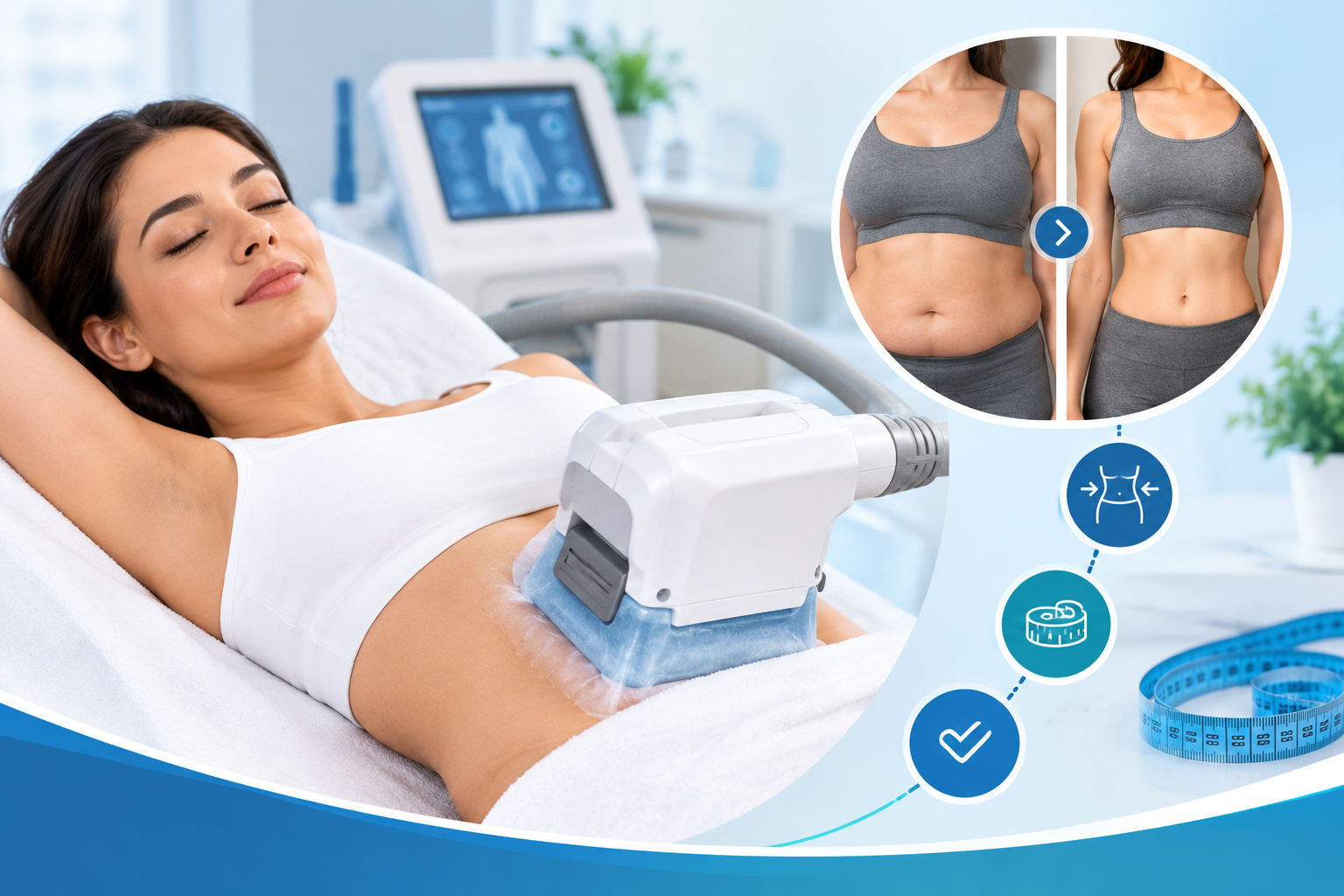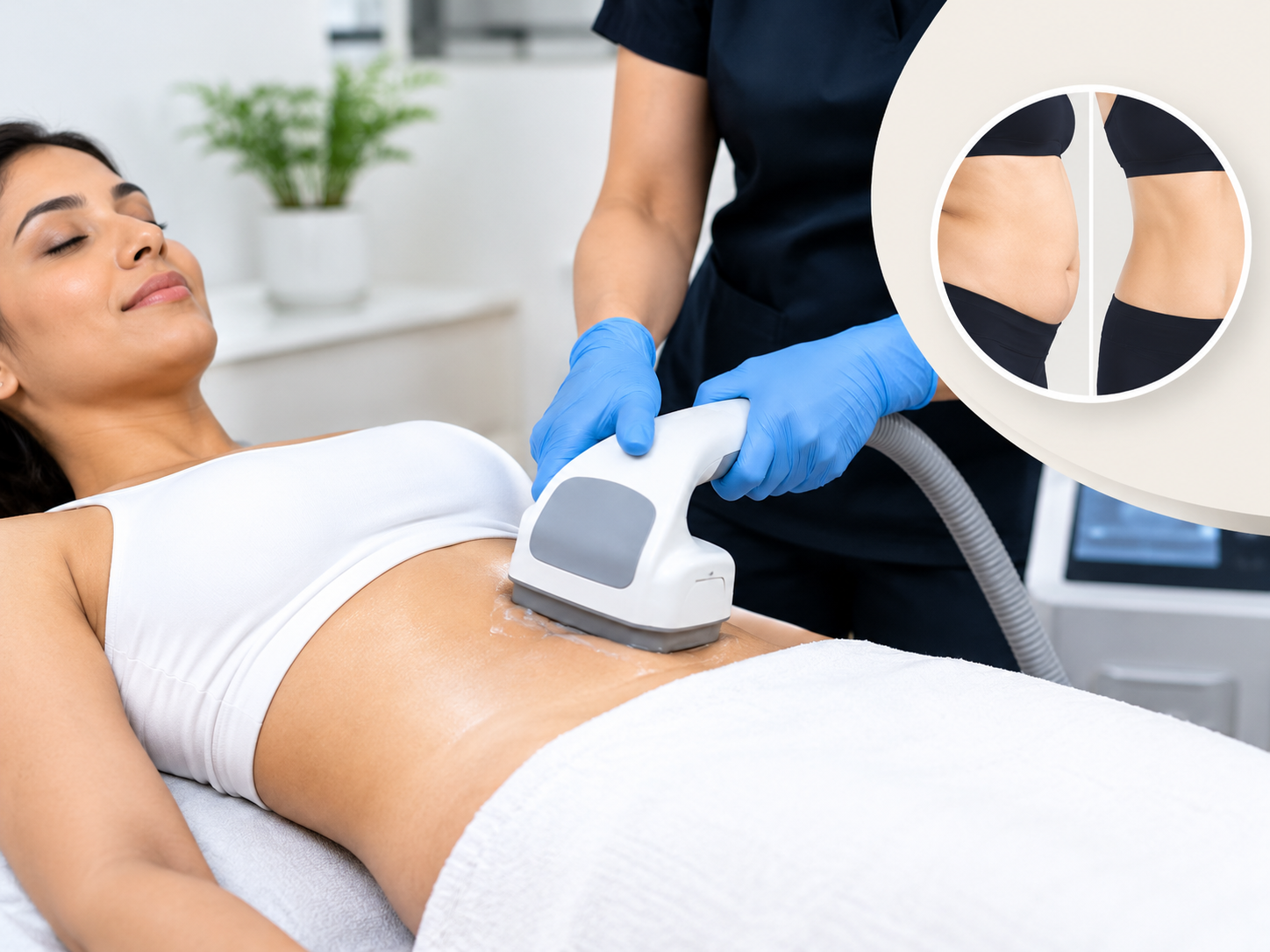

The right non-surgical fat reduction treatment depends on your fat thickness, the area you’re targeting, and how much downtime you’re willing to skip entirely, since none of them work identically. Cryolipolysis treatment in Indore works best for pinchable, moderate fat layers, ultrasound-based methods suit smaller or more delicate areas, and focused ultrasound energy reaches deeper fat that other treatments can’t touch. There isn’t one universal winner. There’s just the option that matches your body.
If you’ve been scrolling through treatment names without knowing which one actually applies to you, that confusion is completely normal. Most clinics don’t explain the difference clearly; they just push whichever machine they happen to own.
What Actually Separates These Treatments From Each Other?
Every non-surgical fat reduction treatment breaks down fat cells differently, and that difference in mechanism is exactly what decides which one suits your body.
Here’s the core distinction in plain terms:
- Cryolipolysis uses controlled cooling to freeze and destroy fat cells over time.
- Ultrasound-based lipolysis uses sound wave energy to break down fat cell membranes.
- Focused ultrasound energy reaches deeper into the fat layer using concentrated heat, working on tissue other methods can’t reach as effectively.
None of these treatments burn fat instantly. They all trigger a process your body finishes naturally over the following weeks.
How Does Cryolipolysis Actually Work?
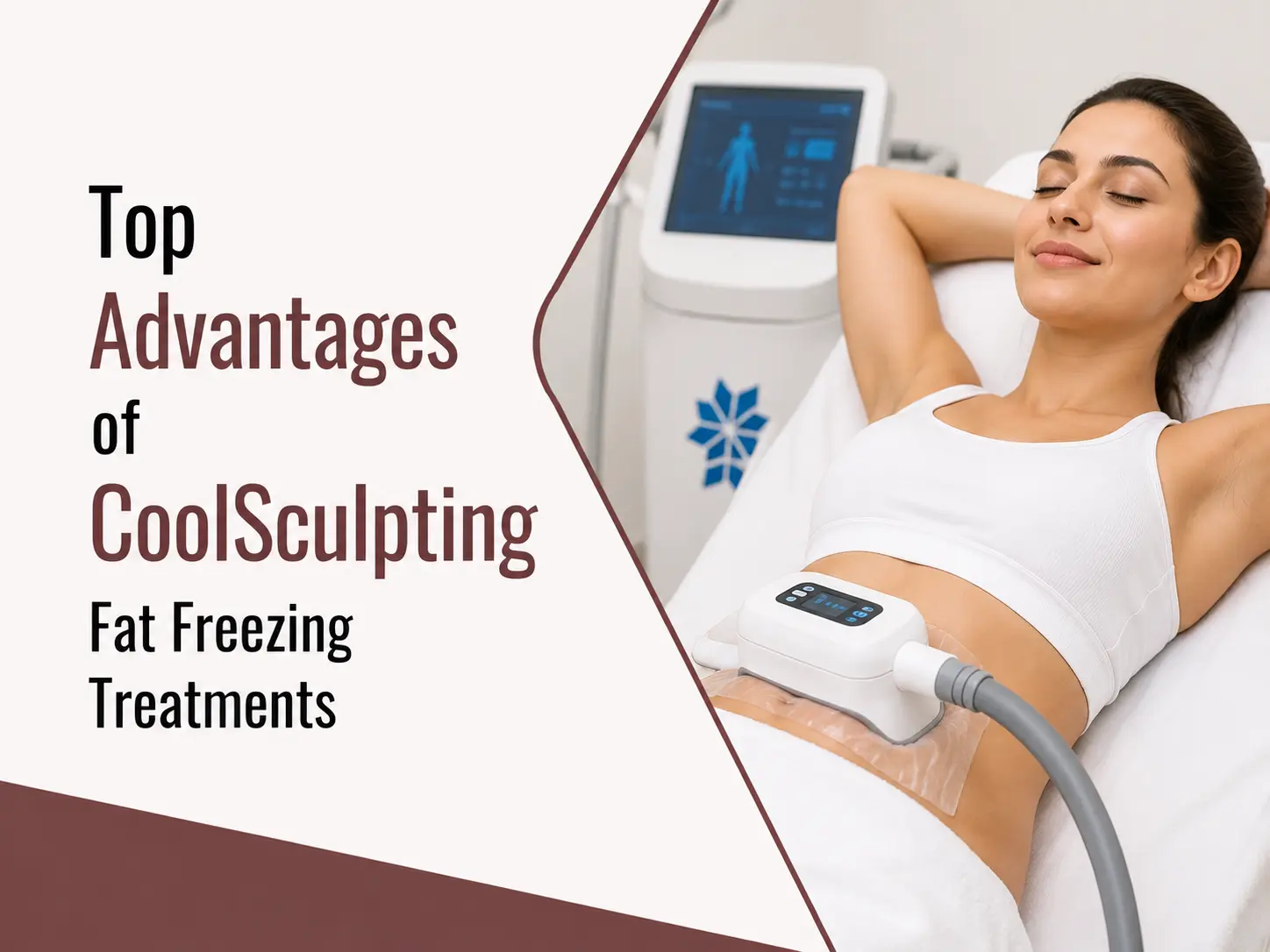
Cryolipolysis works by cooling fat cells to a temperature that damages them without harming the skin, and the body then clears out those damaged cells naturally over the following weeks.
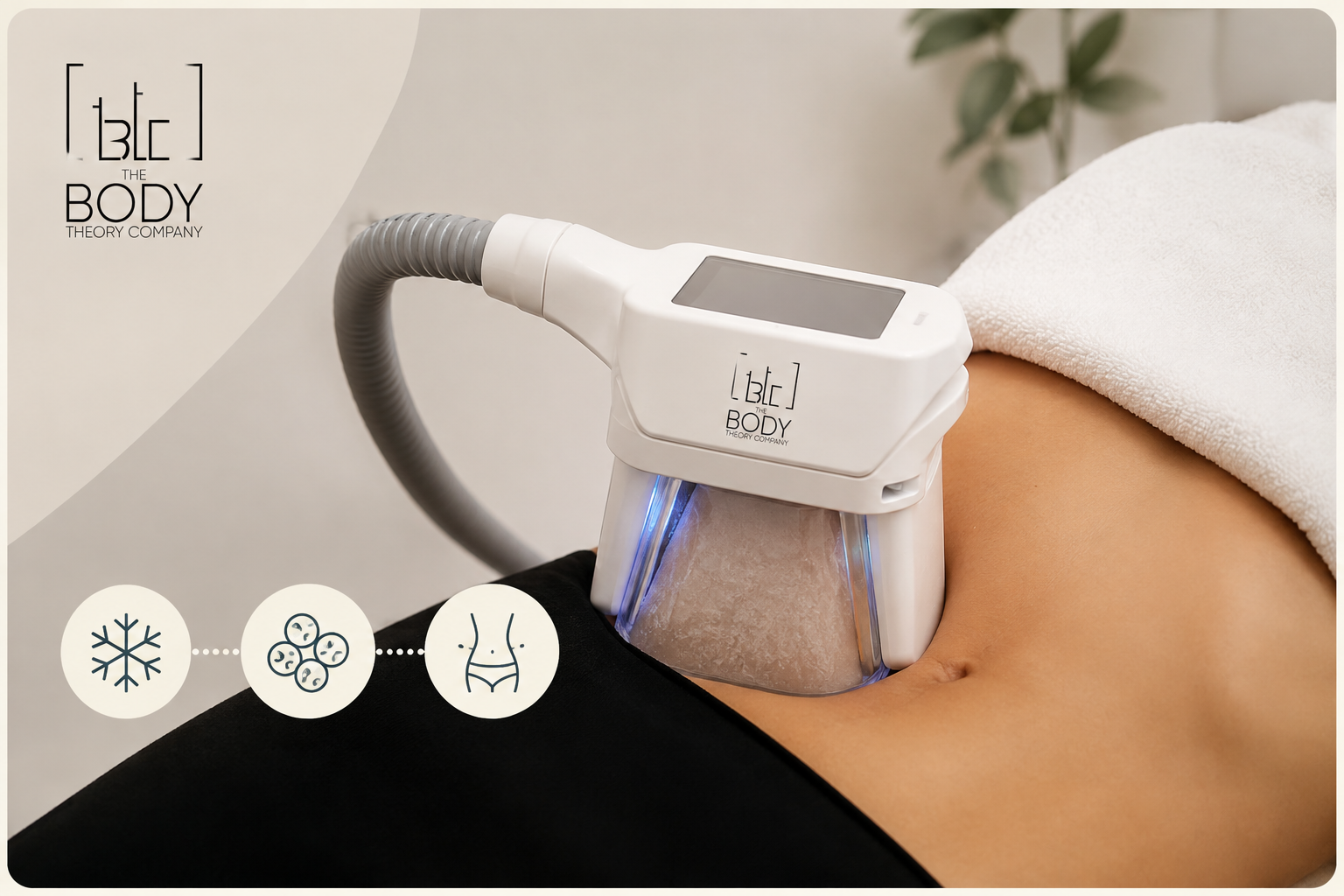
This treatment tends to work best when:
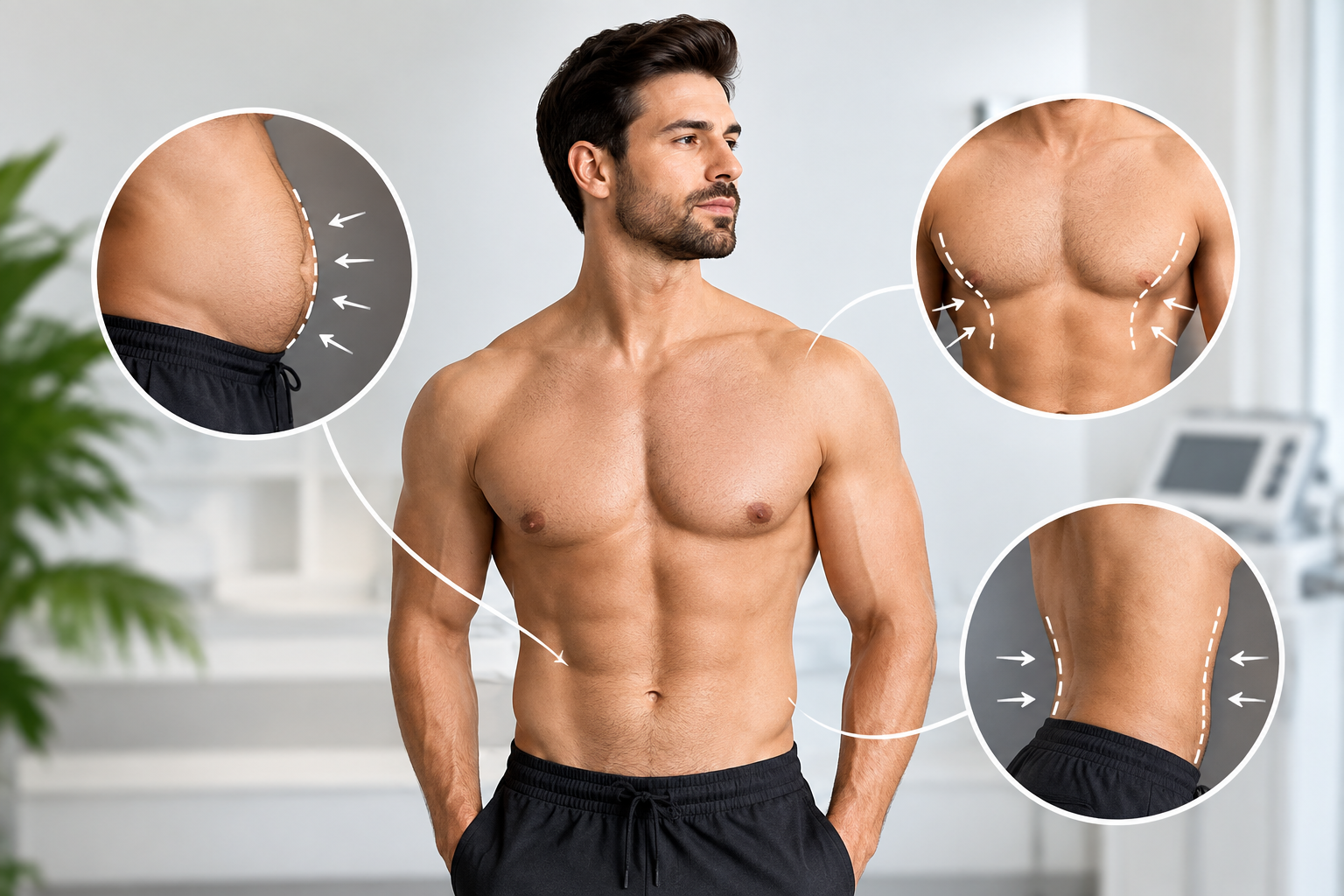
- You have a pinchable layer of fat, meaning there’s enough tissue to be pulled between the applicator panels.
- You’re targeting common areas like the abdomen, flanks, or thighs.
- You want a treatment with a strong safety track record and predictable results.
Most people need one to three sessions per area, and results usually become visible within four to twelve weeks as the body processes the treated fat.
When Does Ultrasound Lipolysis Make More Sense?
Ultrasound lipolysis makes more sense for smaller, more precise areas or for people who don’t have enough loose fat for cryolipolysis to grip effectively.
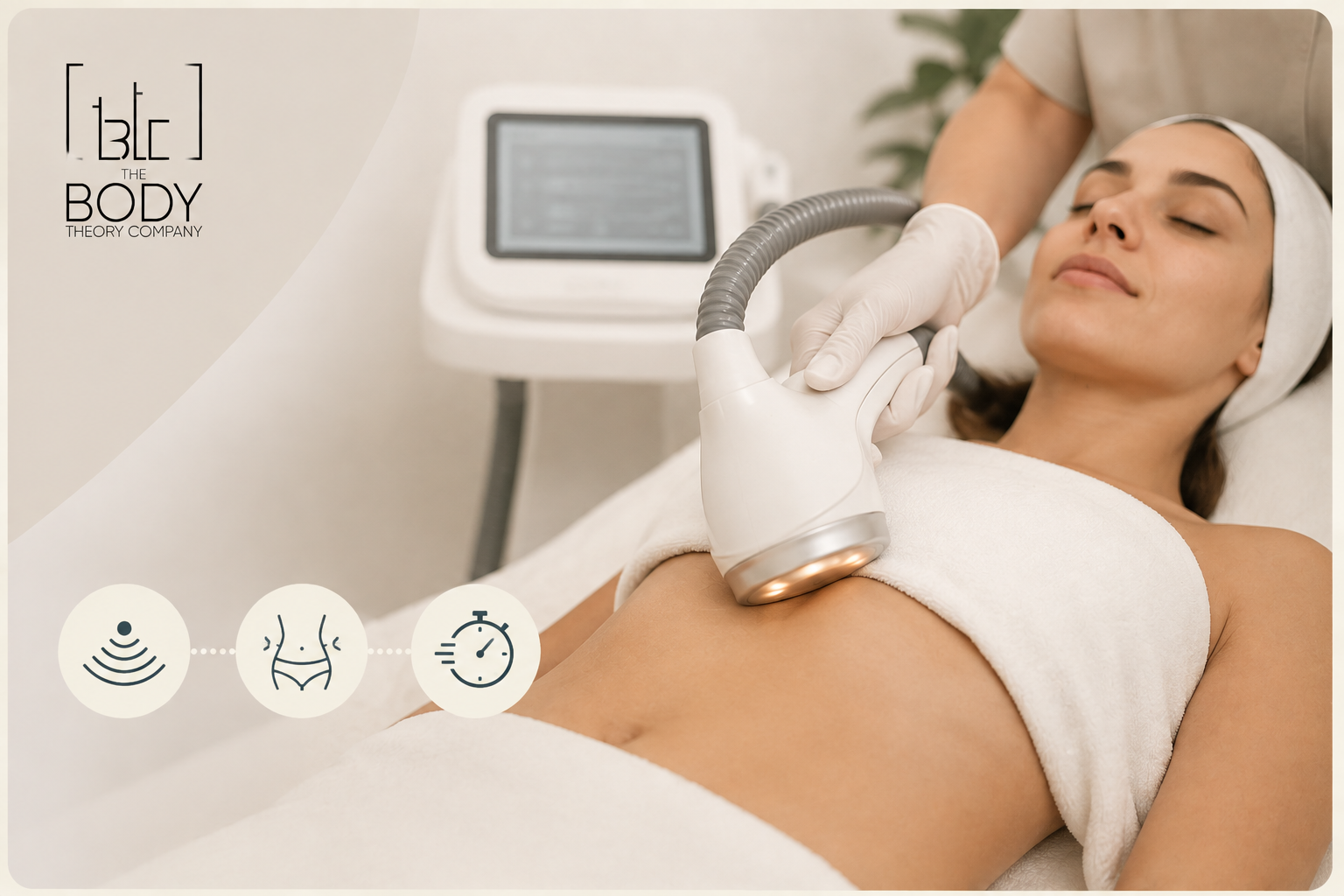
Here’s where it tends to stand out:
- It works well on the double chin, smaller pockets on the abdomen, and areas with less pinchable fat.
- Sessions are shorter and typically need to be repeated more frequently, often four to six sessions total.
- It’s gentler in sensation, which some people prefer over the intense cold of cryolipolysis.
An ultrasound lipolysis treatment in Indore is often recommended alongside cryolipolysis rather than as a replacement, since the two methods complement each other in different areas of the same body.
What Makes Focused Ultrasound Energy Different?
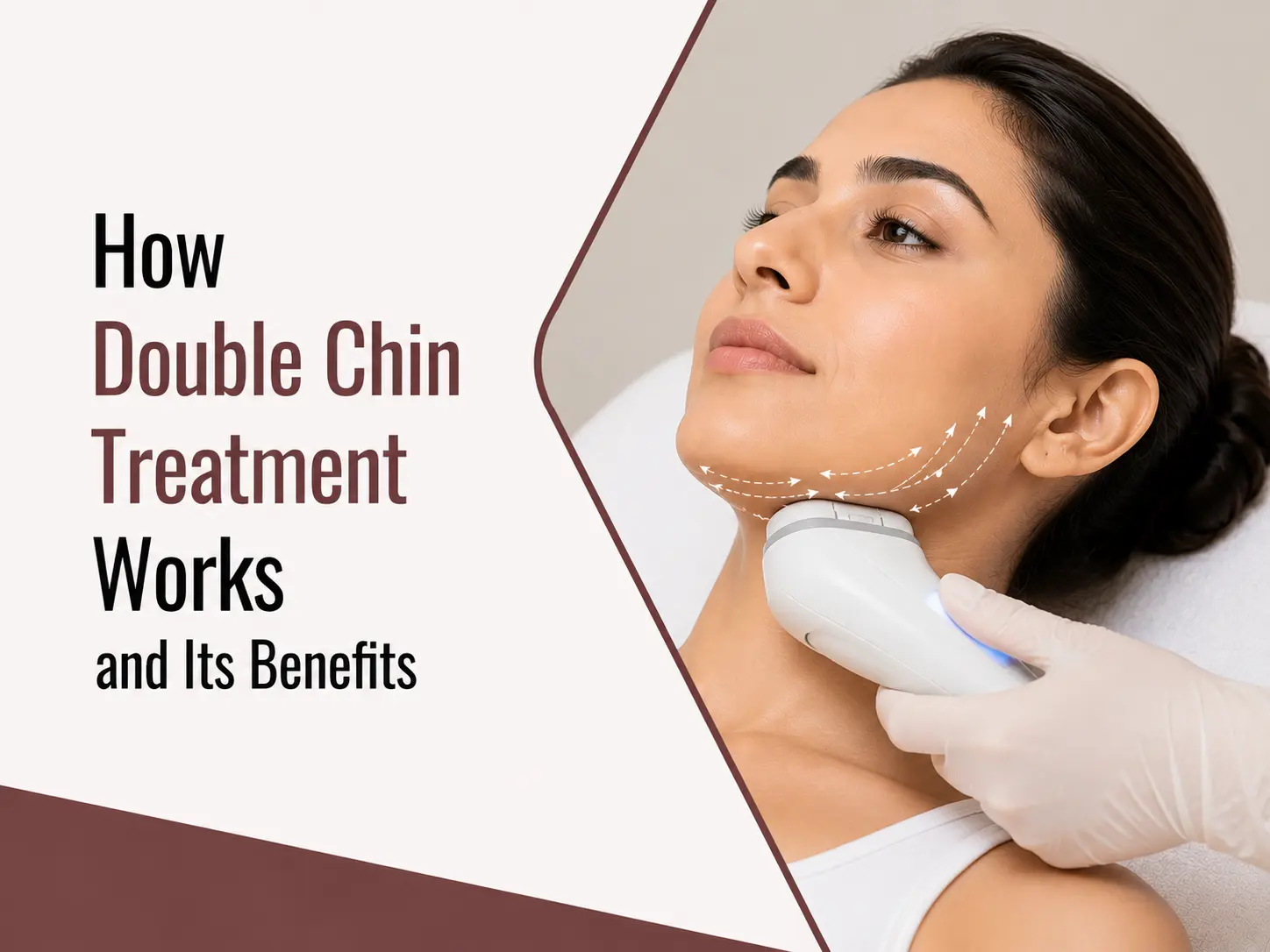
Focused ultrasound energy penetrates deeper fat layers with concentrated heat, making it a strong option for people who need more than just surface-level fat reduction.
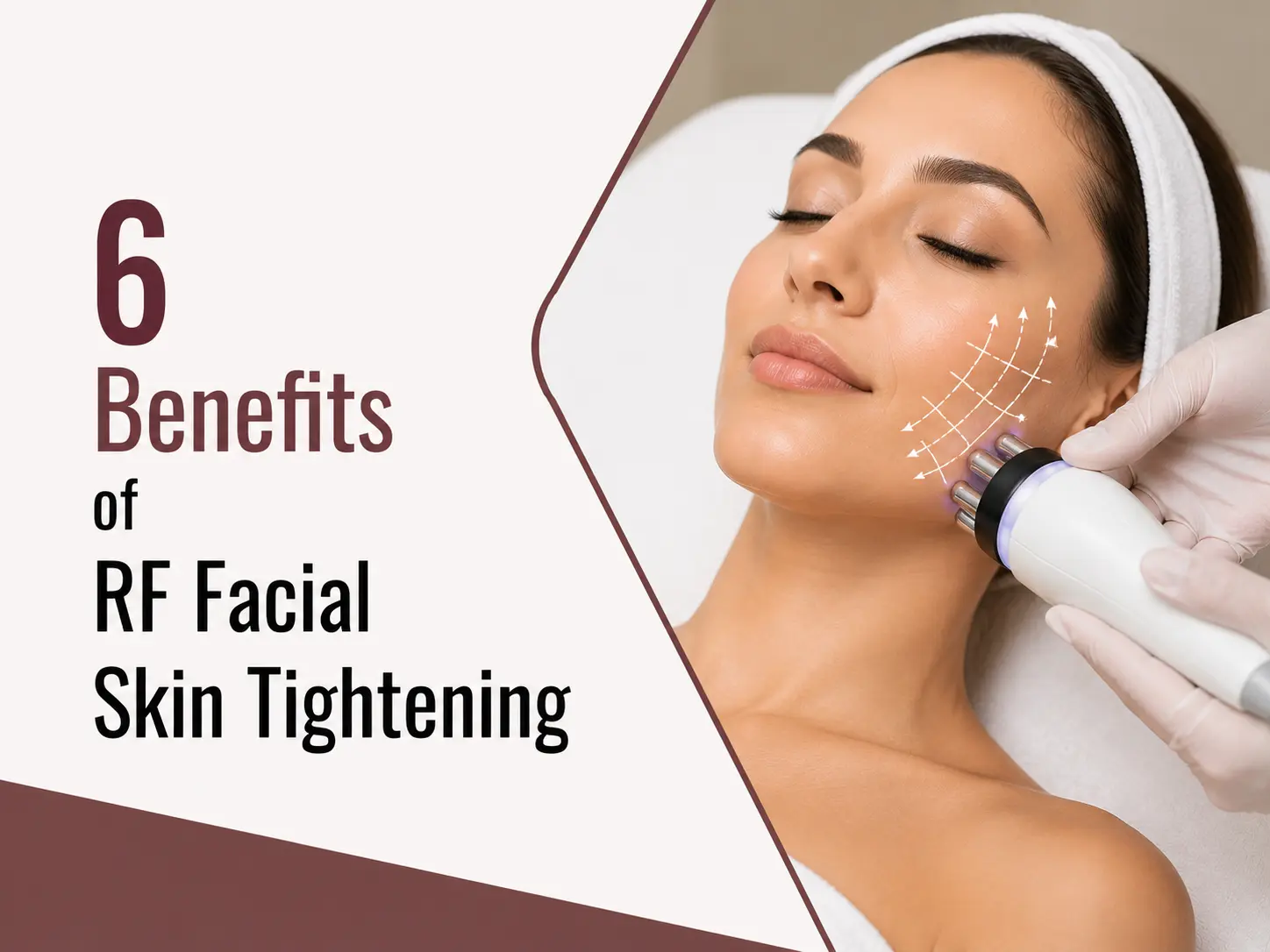
This is where high-intensity focused ultrasound therapy stands apart from the other two options. Instead of cooling or gently disrupting fat cells, it delivers precise thermal energy that reaches beneath the skin without damaging the surface. It also tends to offer a secondary benefit that cryolipolysis doesn’t: mild skin tightening in the treated area, which matters if loose skin is part of your concern alongside stubborn fat.
How Do These Treatments Actually Compare Side by Side?
| Feature | Cryolipolysis | Ultrasound Lipolysis | Focused Ultrasound (HIFU) |
| Best For | Pinchable fat, larger areas | Smaller, precise areas | Deeper fat, added skin tightening |
| Sensation | Intense cold, numbing effect | Mild warmth or vibration | Warm, deep heat sensation |
| Sessions Needed | 1 to 3 per area | 4 to 6 sessions | 1 to 2 per area |
| Downtime | None | None | None |
| Added Benefit | None | Gentle on delicate areas | Skin tightening alongside fat loss |
This comparison is exactly why guessing your way into a treatment rarely works out well. If you want a deeper technical breakdown of how these technologies stack up against radio frequency as well, this guide on fat freezing vs HIFU vs RF covers that comparison in more detail.
How Should You Actually Decide Which One Fits You?
The decision usually comes down to three honest questions about your body and your goals, not which treatment sounds the most advanced.
Ask yourself:
- Can I pinch a noticeable layer of fat in the area I want treated, or is it thinner and more spread out?
- Am I only concerned about fat, or is loose skin part of the issue too?
- Do I want fewer sessions with more intensity, or several shorter sessions spread over time?
Your answers point you toward one treatment more clearly than any marketing description ever could. A proper consultation should walk through exactly this, not just recommend whatever machine is available that week.
Can These Treatments Be Combined?
Yes, and for many people combining treatments actually delivers a more complete result than relying on just one method.
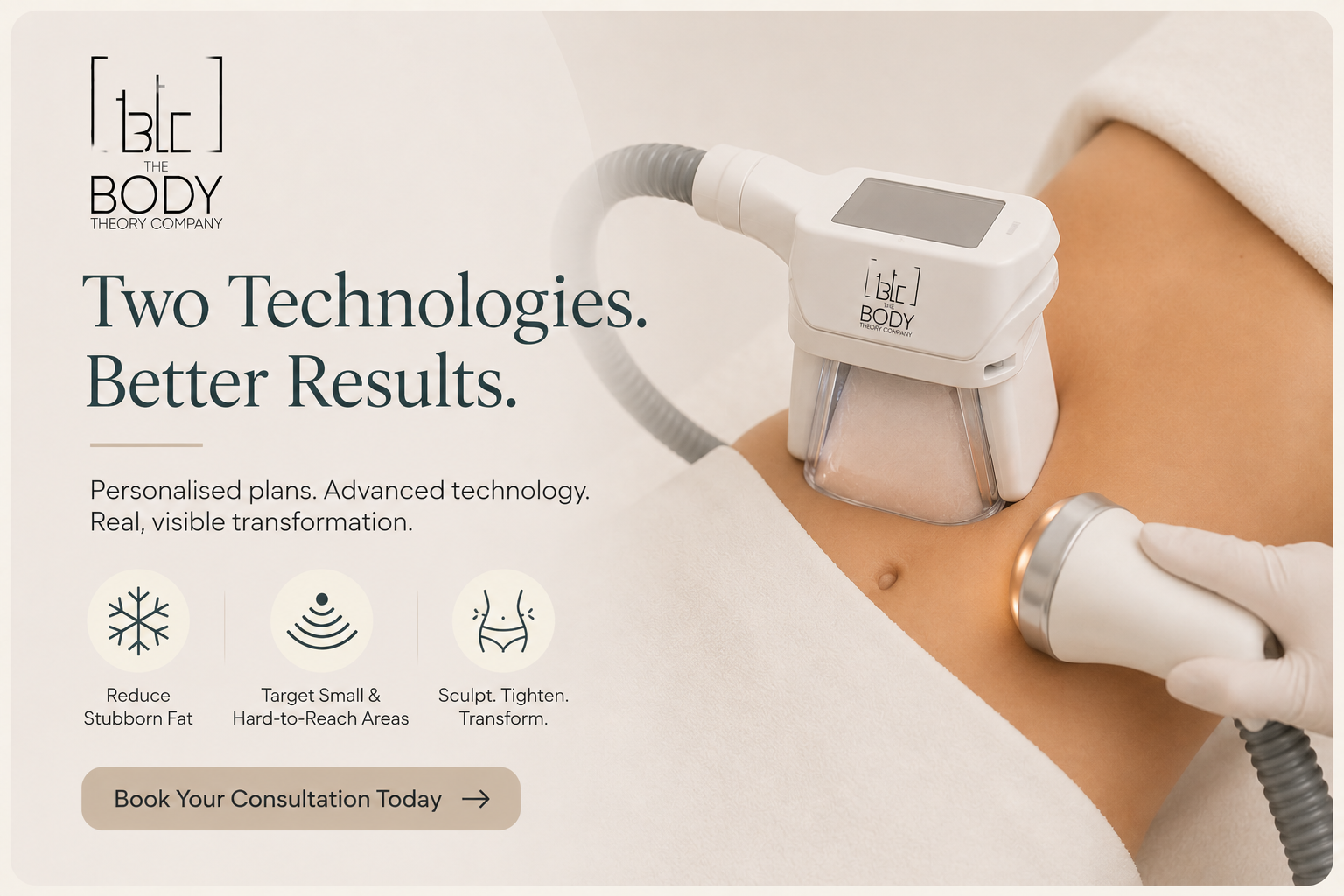
- Cryolipolysis on larger, pinchable areas paired with ultrasound lipolysis on smaller, harder-to-reach spots.
- Focused ultrasound energy layered in when skin tightening is needed alongside fat reduction.
- A staged plan where treatments are spaced out based on how your body responds to the first round.
At The Body Theory Company, treatment plans are built around what your body actually needs, not a single default option pushed on every client. Every plan starts with an honest assessment of your fat layer, your goals, and which technology genuinely fits, using US FDA-approved equipment and a team with over 12 years of hands-on experience.
Frequently Asked Questions
1. Which is better, cryolipolysis or ultrasound lipolysis?
Neither is universally better, they work best on different situations. Cryolipolysis suits larger, pinchable fat areas, while ultrasound lipolysis works well on smaller or more delicate zones like the chin.
2. Does focused ultrasound therapy hurt more than cryolipolysis?
Most people find focused ultrasound energy delivers a warm, deep sensation rather than pain, while cryolipolysis feels intensely cold before the area goes numb. Both are generally well tolerated without needing anesthesia.
3. How many sessions will I actually need?
This depends on the treatment and the area, ranging from one to three sessions for cryolipolysis or focused ultrasound, up to four to six sessions for ultrasound lipolysis. A consultation gives a more accurate number based on your specific fat layer.
4. Can I combine more than one fat reduction treatment?
Yes, many treatment plans combine two or more methods to target different areas or address both fat and skin laxity together. This is common and often gives a more complete result than a single treatment alone.
5. Is there any downtime after these treatments?
No, all three treatments are non-invasive with no recovery time needed. Most people return to their normal routine immediately after a session.
6. How do I know which treatment is right for my body?
The best way is a physical consultation where your fat layer, target area, and goals are assessed directly, rather than guessing based on online descriptions. This is the only way to get an honest, accurate recommendation.
Book Your Consultation
Choosing between cryolipolysis, ultrasound lipolysis, and focused ultrasound energy shouldn’t feel like guesswork. Book a consultation with The Body Theory Company and get an honest recommendation based on your actual body, not whichever treatment happens to be trending.