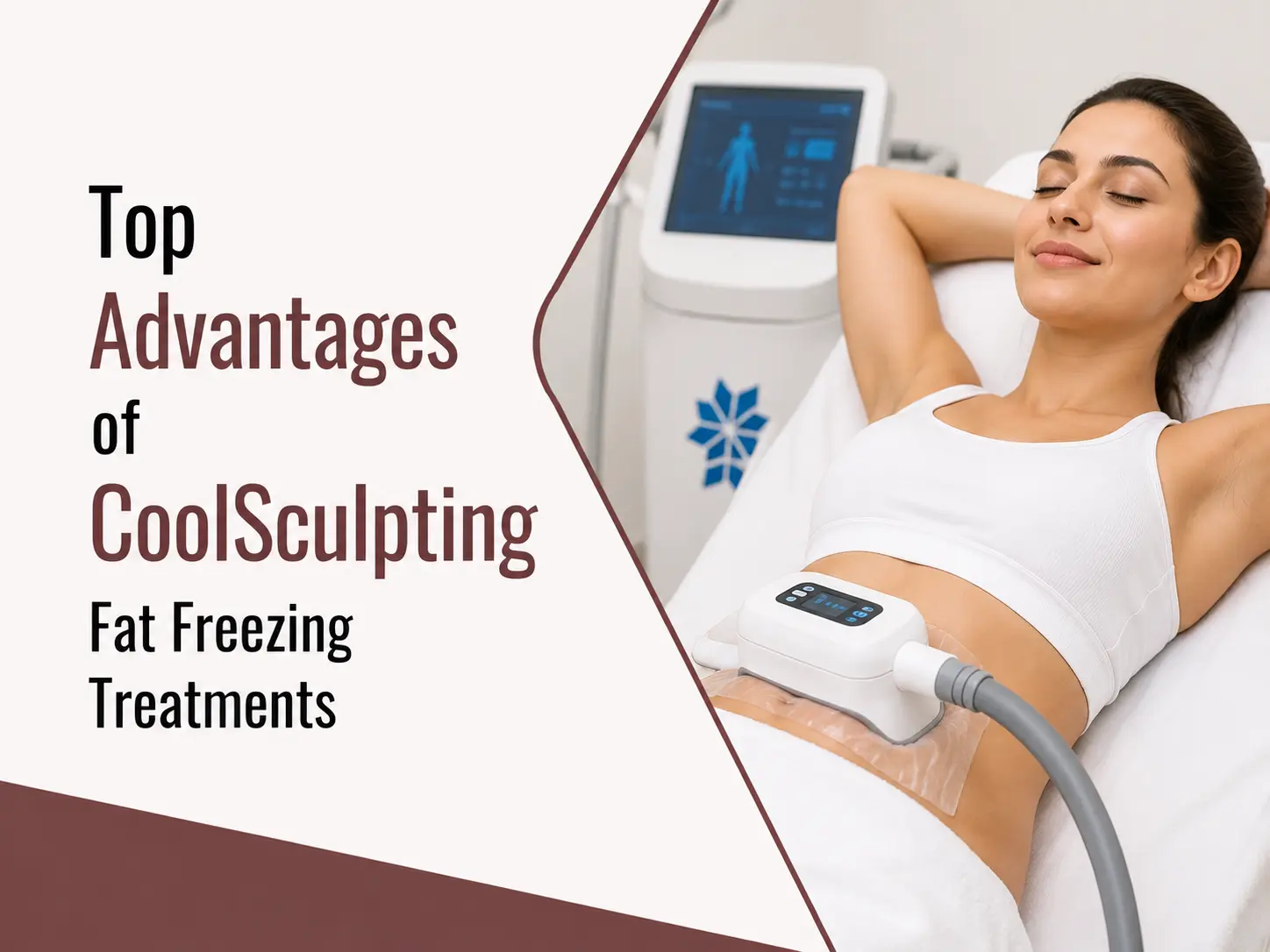

Most non-surgical body contouring treatments are safe to start around 3 to 4 months after a vaginal delivery, and closer to 5 to 6 months after a C-section, once your doctor confirms you’ve healed. The exact timing depends on your delivery type, how your body has recovered, and whether you’re currently breastfeeding, it isn’t a fixed date on a calendar. If you want the short answer before the detail, that’s it, here’s what actually determines your personal timeline.
Post pregnancy body shaping in Indore has become one of the most common questions new mothers ask once the initial recovery period is behind them, and rightly so, pregnancy changes the body in ways that diet and exercise alone don’t always reverse. Getting the timing right matters just as much as picking the right treatment, which is also why finding a genuinely best clinic for fat reduction Indore has to offer, one that actually asks about your delivery and recovery before recommending anything, makes a real difference here.
What this guide covers:
- Why timing matters more after pregnancy than in most other situations
- How vaginal delivery and C-section recovery timelines differ
- What breastfeeding actually changes about your treatment window
- The signs that tell you you’re genuinely ready, not just impatient
Why Timing Actually Matters More Here
Body contouring after pregnancy isn’t just about waiting until you feel ready emotionally. There are real physiological reasons the timing window exists.
- Hormonal shifts. Pregnancy hormones stay elevated for months afterward and can affect how your skin and fat layers respond to treatment.
- Tissue healing. Your abdominal muscles and skin have been stretched significantly, and they need time to retract naturally before energy-based treatments can work effectively.
- Incision healing. If you had a C-section, the incision site and surrounding tissue need to fully heal before that area can be safely treated.
- Breastfeeding hormones. Prolactin and other breastfeeding-related hormones can influence fat distribution and are a factor most clinics should ask about upfront.
Rushing into treatment before your body has had this time doesn’t just risk poor results, it can also mean discomfort or complications that a bit of patience would have avoided entirely.
Vaginal Delivery: What the Timeline Usually Looks Like
For most women who deliver vaginally without complications, the general recovery window looks like this:
- 6 weeks: standard postnatal checkup, cleared for light activity
- 8 to 10 weeks: abdominal muscles typically show meaningful improvement
- 3 to 4 months: many women are physically ready to begin non-surgical treatments, pending their doctor’s clearance
This is a general guide, not a guarantee. Some women heal faster, others need more time, and your own doctor’s assessment should always take priority over any generic timeline you read online.
C-Section: Why It Needs a Longer Runway
C-section recovery involves an actual surgical incision through multiple layers of tissue, so it reasonably takes longer before that area is ready for further treatment.
- 6 weeks: initial surgical follow-up
- 3 months: the incision itself has usually closed and settled
- 5 to 6 months: most specialists consider this a safer starting point for treatments targeting the abdomen specifically
If your treatment plan includes areas away from the incision, like the thighs or arms, those may sometimes be approached a little earlier, but this should always be confirmed with both your OB-GYN and your treatment specialist first, not decided on your own.
A proper assessment will tell you exactly where you stand, no guesswork required.
Breastfeeding and Body Contouring: What You Should Actually Know
This is the part most generic articles skip, and it matters. Because clinical research on non-surgical fat reduction during active breastfeeding is still limited, many clinics recommend waiting until breastfeeding has either stopped or become well established before starting, typically discussed on a case-by-case basis. This isn’t about the treatment being unsafe outright, it’s about there simply not being enough long-term data to make a blanket promise either way.
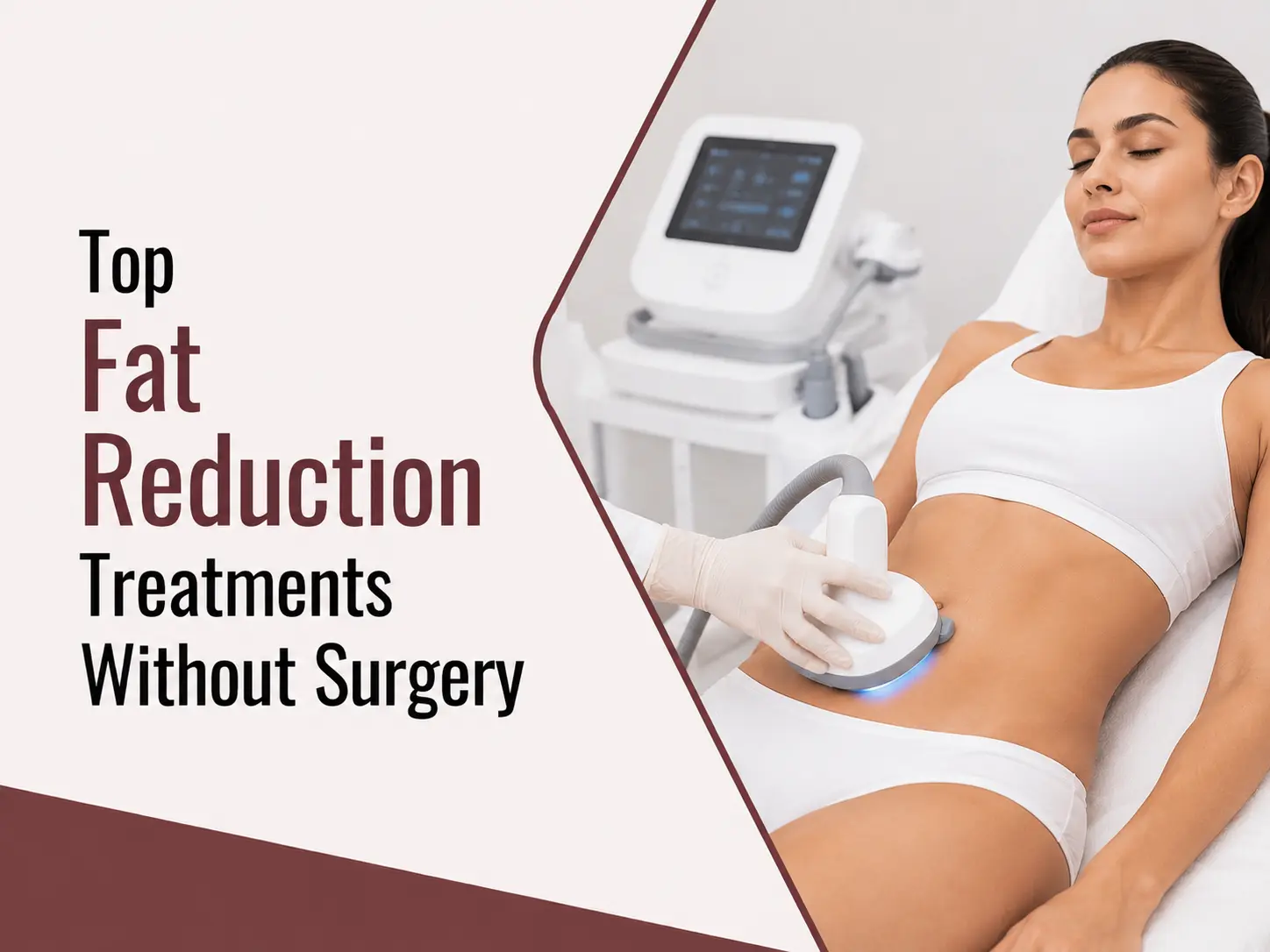
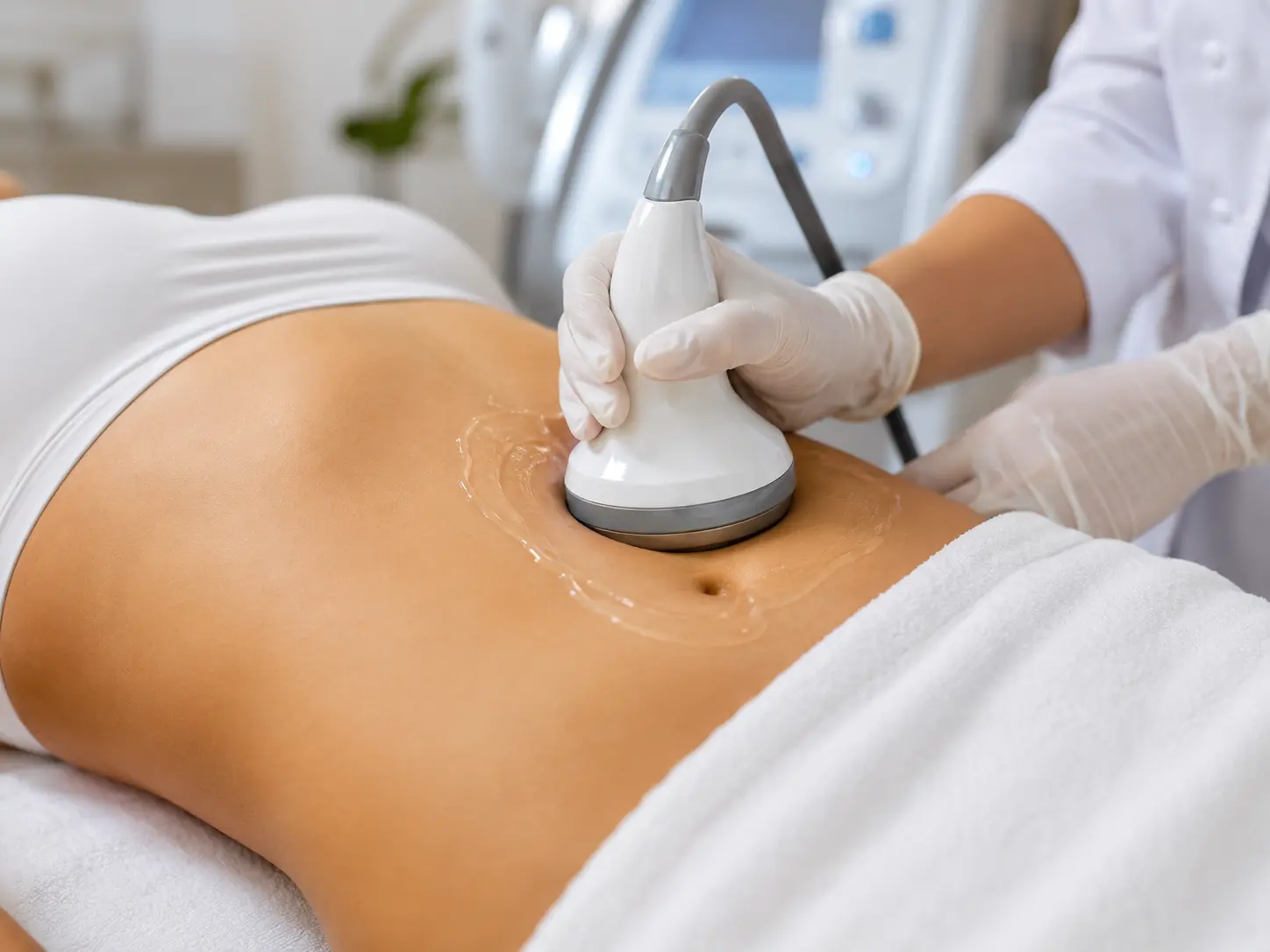
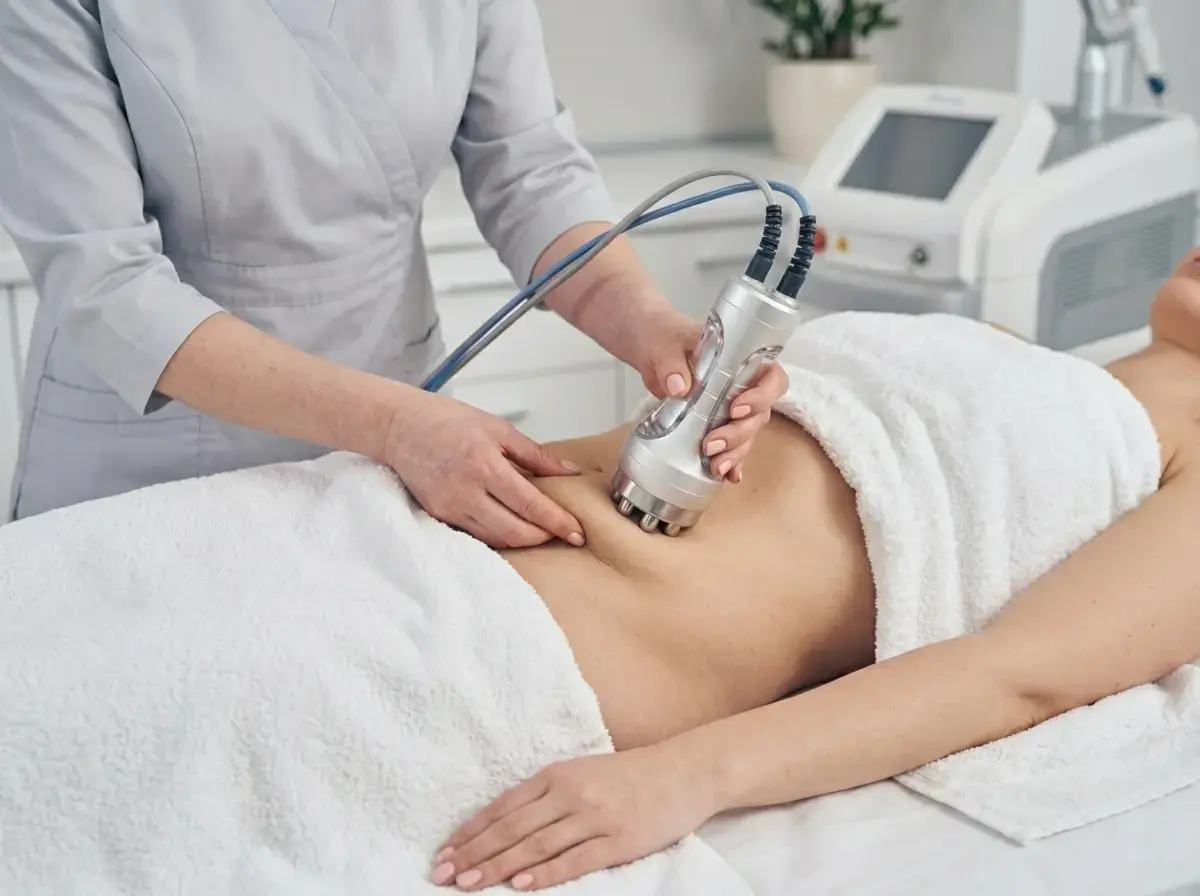
Gentler options like an Ultrasonic fat removal treatment are sometimes considered earlier in this window compared to more intense modalities, since the energy delivery tends to be more gradual, but this decision should always be made with your doctor’s input, not a generic online guideline.
Signs You’re Actually Ready, Not Just Impatient
A few honest markers tend to matter more than the calendar date alone:
- Your postnatal checkup is complete and your doctor has cleared you for physical activity
- Any incision, if you had one, has fully closed with no ongoing tenderness
- Your energy levels have stabilised and you’re not running on significant sleep deprivation
- You’ve had a proper conversation with your doctor about your specific recovery, not just a general guess
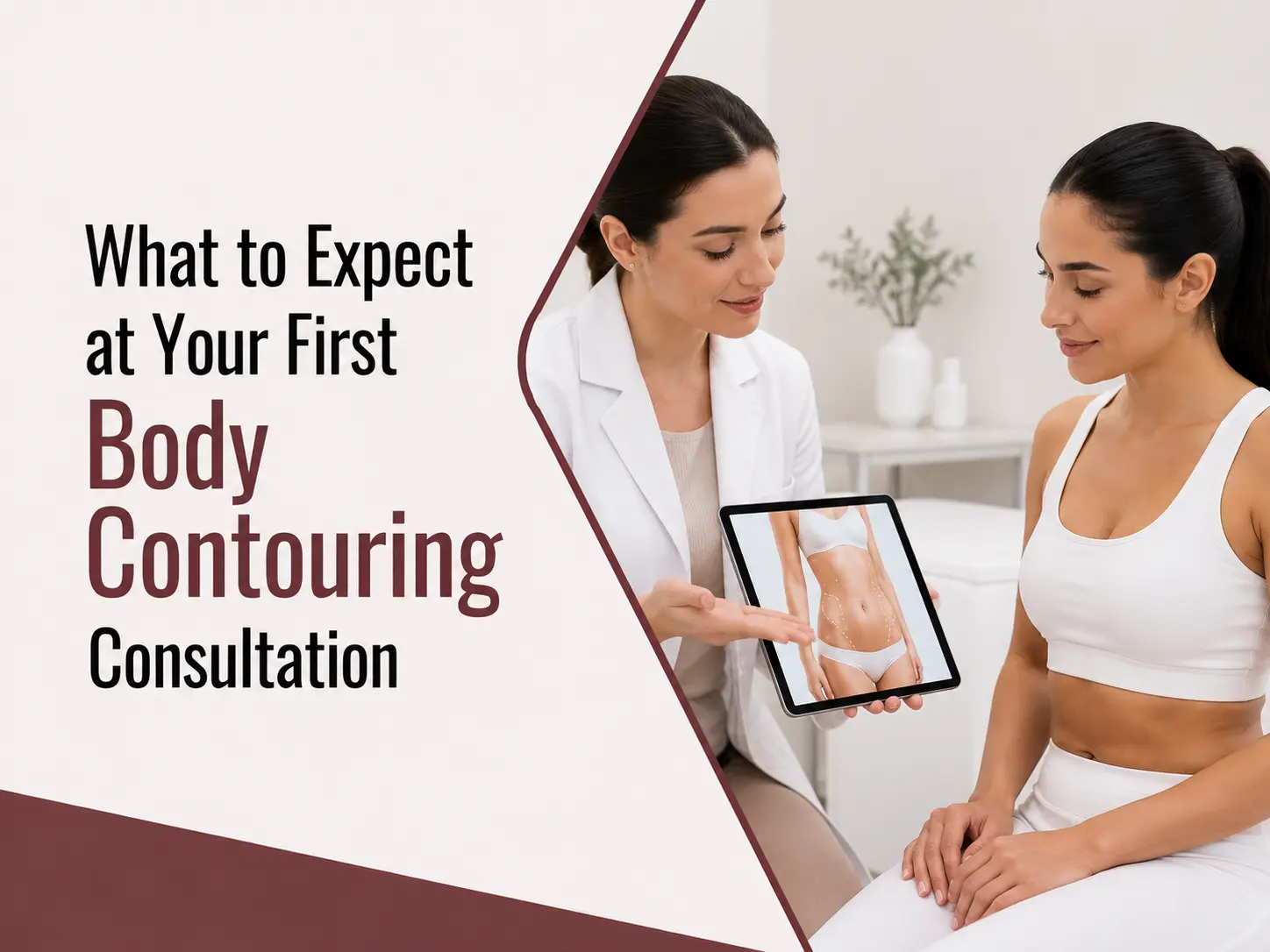
If you’re also unsure what the first visit itself involves, it helps to read through what actually happens at your first body contouring consultation before you book, so you walk in knowing what to expect rather than guessing.
Which Treatments Tend to Fit This Stage
Once you’re cleared to start, the right treatment still depends on what your body specifically needs.
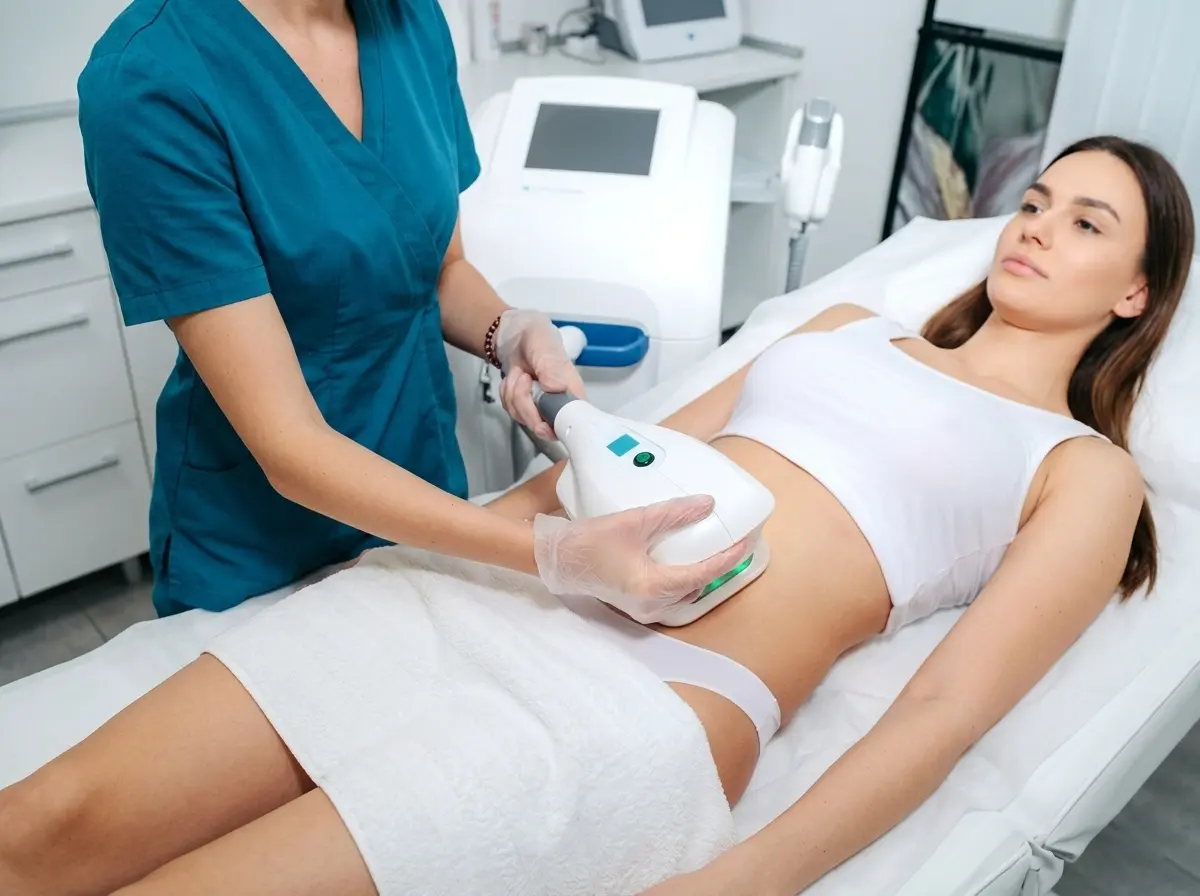
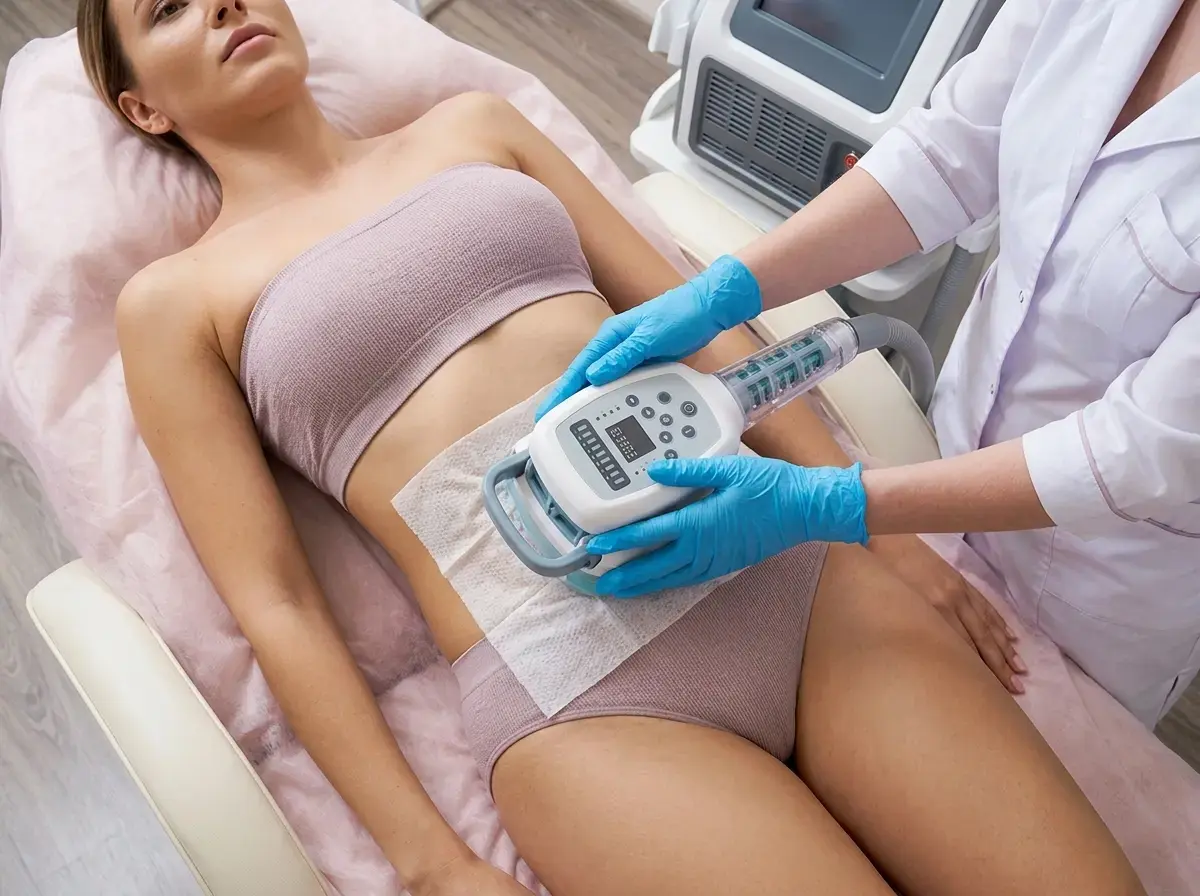
- Cryolipolysis works well for firm, localised fat pockets around the belly or flanks that diet and exercise haven’t touched
- Ultrasound-based treatments suit a gentler approach, particularly useful if you’re easing back in slowly
- RF skin tightening is often paired in afterward if there’s noticeable skin laxity alongside the fat
If you’ve searched cryolipolysis near me while trying to figure out where to even start, the honest answer is that the right first step is a proper assessment, not picking a treatment off a list before anyone has actually looked at your specific recovery.
Finding the Right Support in Indore
Not every clinic asks the right questions before recommending a plan for new mothers, and that gap can matter more here than in most other situations. A good specialist should ask about your delivery type, your recovery timeline, and your doctor’s clearance before suggesting anything at all.
At The Body Theory Company, post-pregnancy consultations start with exactly that kind of conversation. If you’ve been searching for Cryolipolysis Weight Loss in Indore options built around new mothers specifically, this is designed with that recovery timeline in mind rather than a generic package. The clinic is located near Shanti Niketan Gate, behind Bombay Hospital, in Vasant Vihar Colony, Indore, for anyone who wants to ask questions in person before deciding on anything.
Frequently Asked Questions
1. How soon after a C-section can I start body contouring?
Most specialists recommend waiting at least 5 to 6 months for treatments targeting the abdomen specifically, once the incision has fully healed and your doctor has given clearance. Areas away from the incision may sometimes be considered slightly earlier, but only with medical confirmation.
2. Is it safe to get body contouring while breastfeeding?
This varies by treatment and individual case, since research on this specific combination is still limited. Many clinics recommend waiting until breastfeeding has stopped or stabilised, and any decision here should involve your doctor.
3. Will postpartum belly fat go away on its own?
Some of it typically reduces naturally over the first several months as hormones stabilise and activity increases, but stubborn pockets of fat, especially around the lower abdomen, often don’t respond to diet and exercise alone, which is where non-surgical treatments can help.
4. Can these treatments fix diastasis recti?
No. Diastasis recti is a separation of the abdominal muscles, not a fat concern, and it typically needs targeted physical therapy or, in more significant cases, surgical repair. A good clinic should check for this and refer you appropriately rather than treating it as a fat reduction issue.
Ready to Find Out Where You Actually Stand?
Guessing your own timeline from an article isn’t the same as a real assessment of your recovery. Book your free consultation today and get a straight answer on where you are and what would actually work when you’re ready.