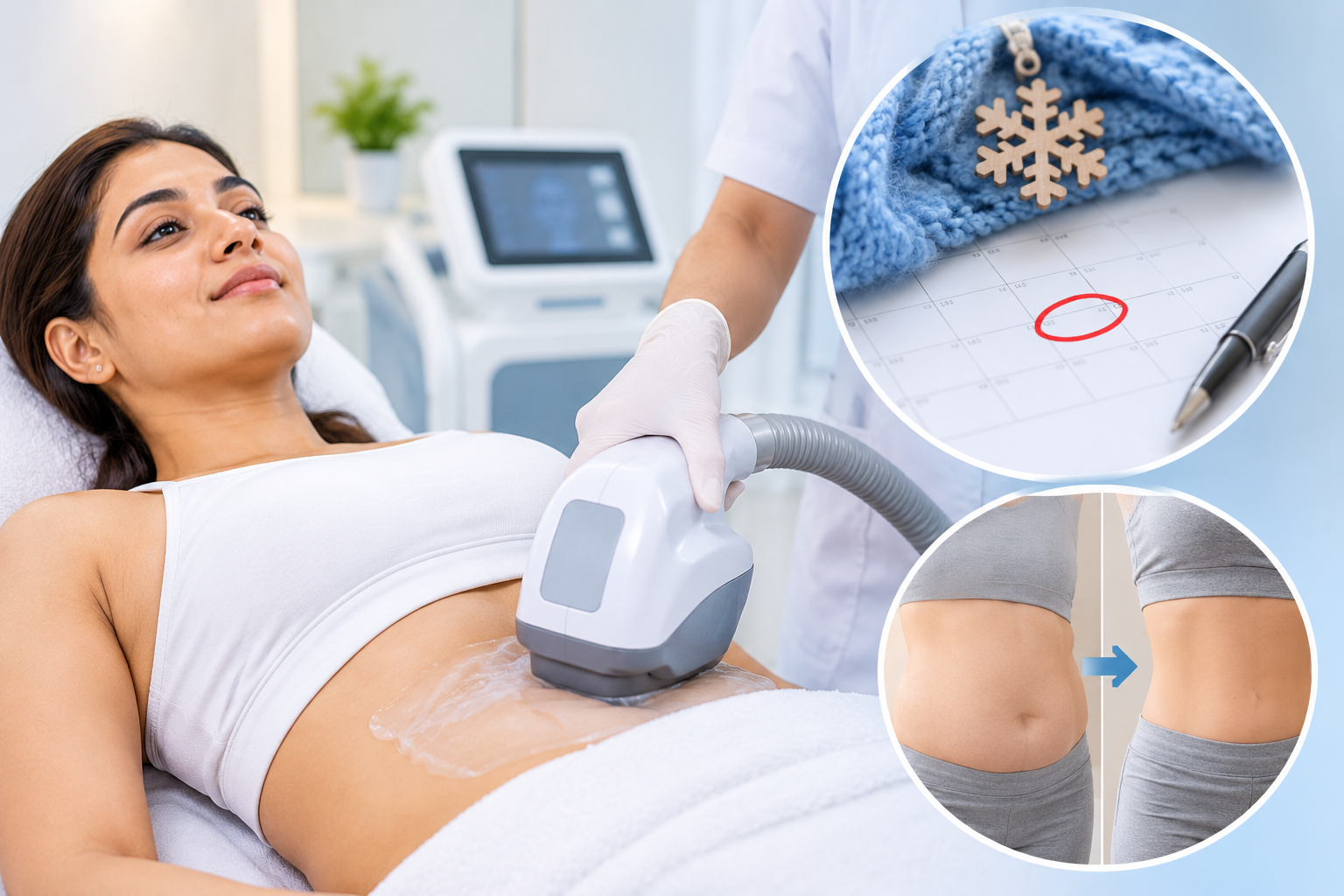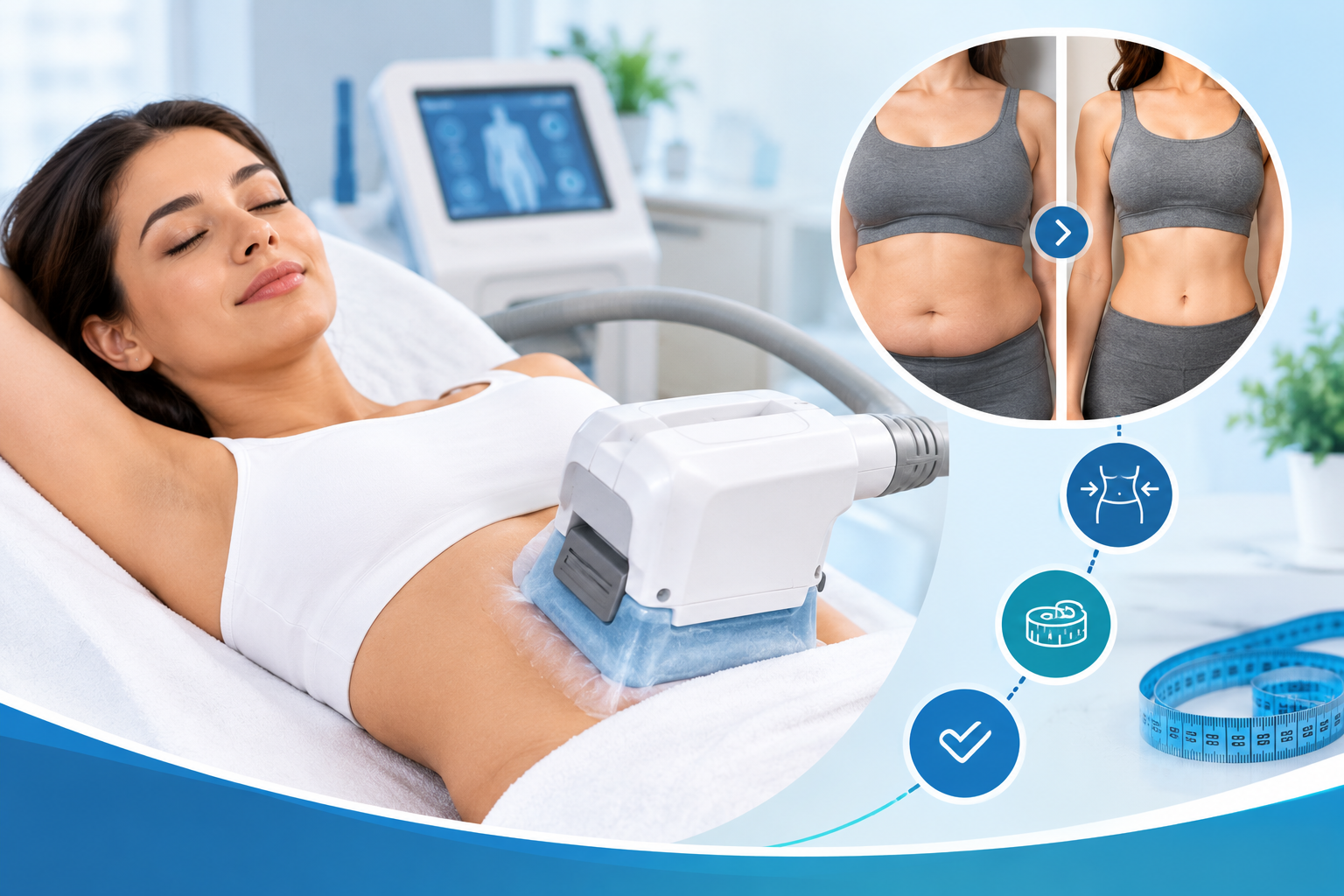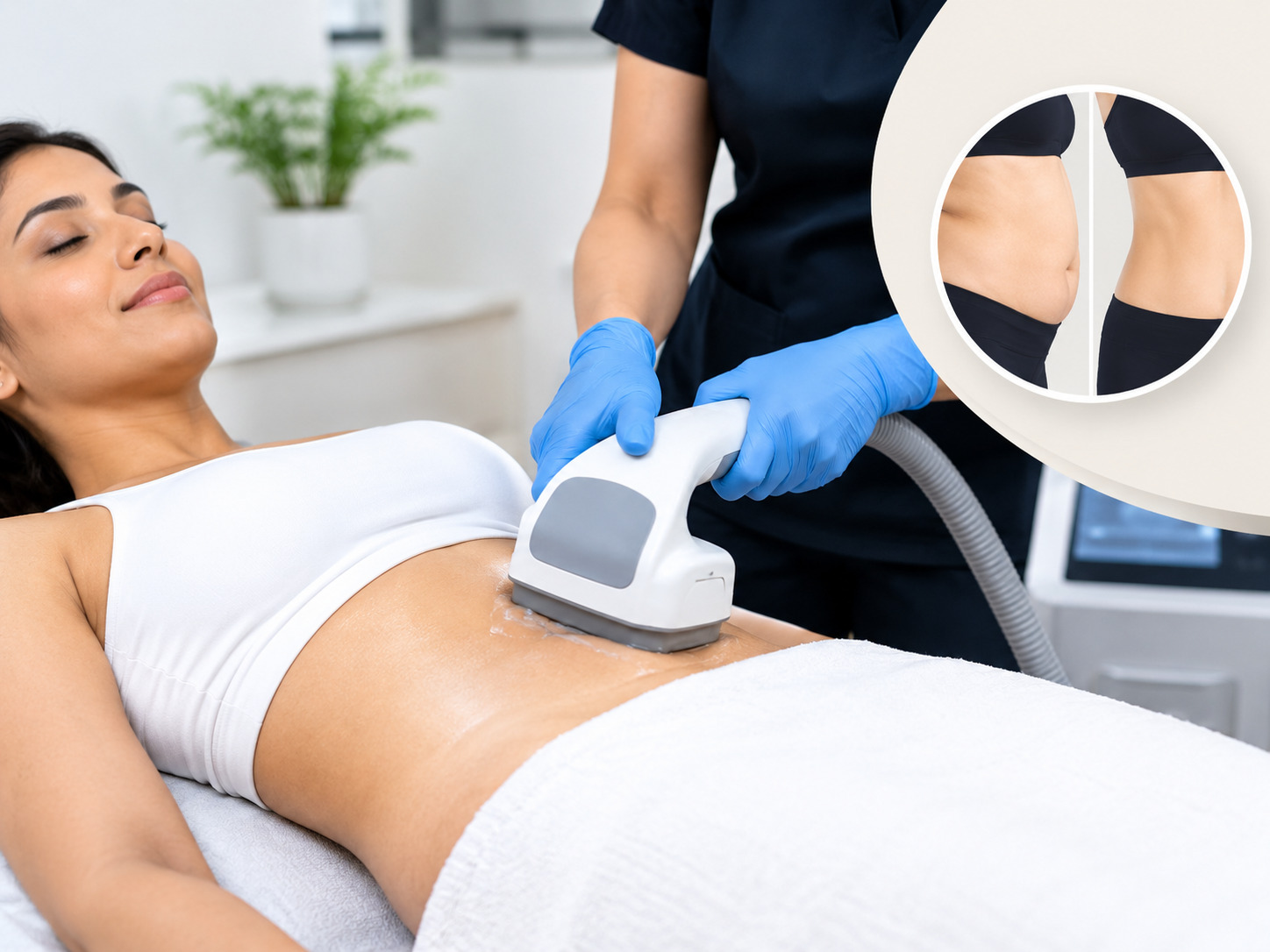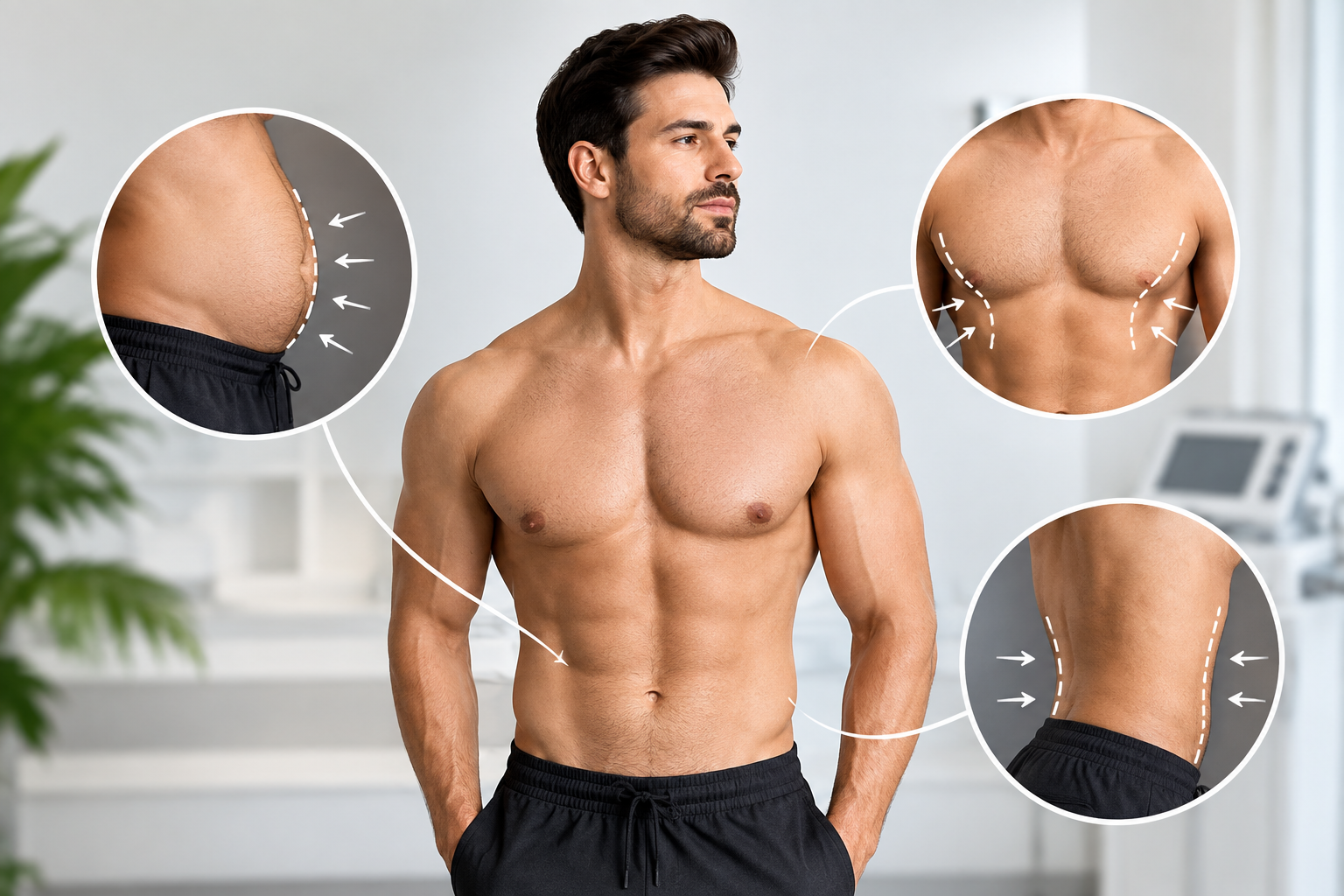
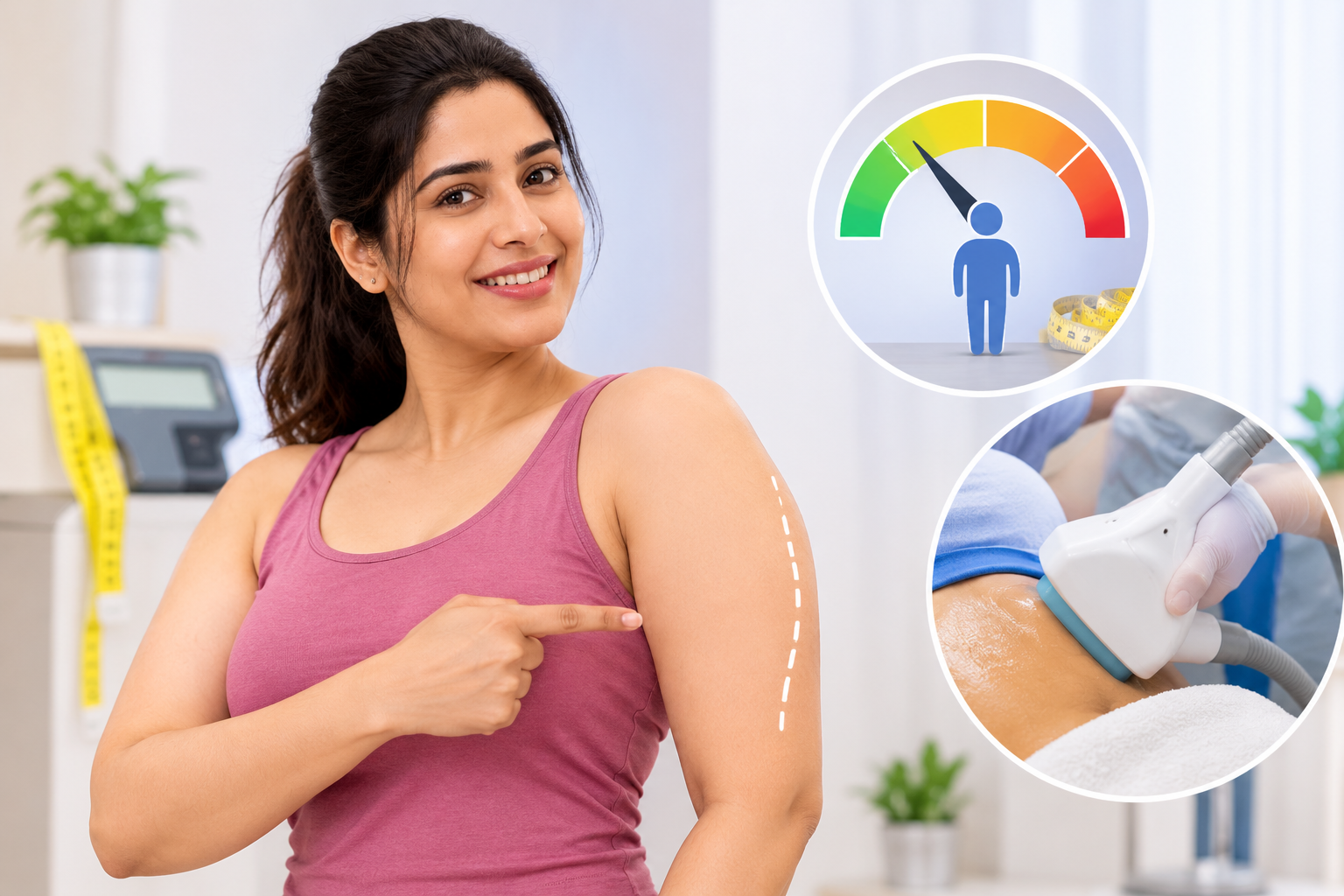
The best match for fat freezing and BMI is a BMI below about 30, steady weight, and a pinchable pocket of fat that diet and exercise have not shifted. Fat freezing shapes one area. It is not a weight-loss treatment, so where your fat sits matters more than the number on the scale. If your BMI is higher, you can still be assessed, but weight loss often comes first.
In short:
- Usually a good fit: BMI of roughly 18.5 to 29.9, stable weight, and a firm, pinchable fat pocket.
- Not a fit: BMI below 18.5, pregnancy, or certain cold-related medical conditions.
- BMI 30 and above: needs a proper assessment, and some weight loss first often gives a better shape.
- BMI is only a guide: the type of fat and the quality of your skin count just as much.
Why BMI Matters, and Why It Is Not Everything
BMI is your weight in kilograms divided by your height in metres, squared. It is a quick screening number, and clinics use it to judge whether treating one area makes sense.
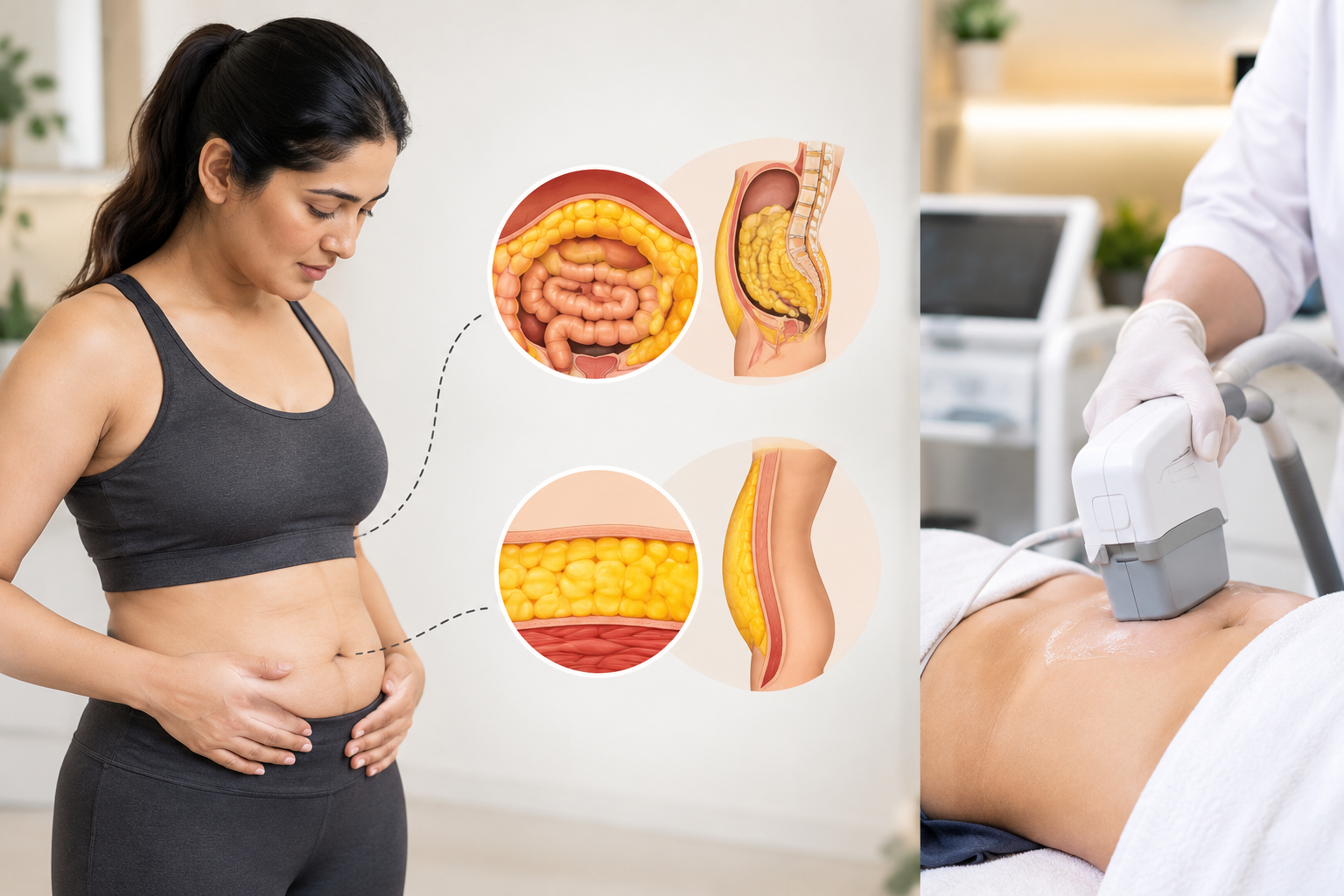
But BMI cannot see where your fat is. Picture two people. One lifts weights, has a BMI of 27, and carries a small roll at the waist. The other has a BMI of 24 but carries most of their fat deep inside the belly. The first person is likely a better candidate. Fat freezing only reaches the fat under the skin, which is why the type of fat matters. Our guide on subcutaneous vs visceral belly fat explains the difference.
One more point for Indian readers. Indian guidelines treat a BMI of 23 or more as overweight, because health risks start earlier. That does not rule you out. It does mean your doctor should look at your overall health, not only your waistline.
BMI Ranges at a Glance
Use this as a rough guide. The final decision is made after a personal assessment.
| BMI | What it usually means for fat freezing |
| Below 18.5 | Not suitable. There is little fat to treat, and your health comes first. |
| 18.5 to 24.9 | Usually a good fit if you have a pinchable pocket. |
| 25 to 29.9 | Often a good fit when your weight is stable and the fat is firm and localised. |
| 30 and above | Needs assessment. Losing some weight first usually gives a better result. |
Who Is a Good Candidate?
If you are shortlisting clinics for body slimming, use this checklist to see where you stand first. You are likely a good candidate if:
- You can pinch a clear roll of fat in the area, such as the belly, flanks, thighs, upper arms or under the chin.
- Your weight has stayed steady for the last few months.
- Diet and exercise have slimmed the rest of you, but that one area has not changed.
- Your skin is reasonably firm, so it can settle smoothly as the fat reduces.
- Your goal is a slimmer area, not a big drop on the scale.
- You are in good general health.
Not sure where your BMI and fat pockets place you?
Who Should Wait or Choose Something Else
Fat freezing is not right for everyone. Your practitioner may advise you to wait or pick another route if:
- Your BMI is below 18.5.
- You are pregnant or recently postpartum. Ask your doctor first.
- You have certain cold-related blood conditions, such as cryoglobulinemia or cold agglutinin disease.
- You have a hernia, open wound, or active skin problem in the treatment area.
- Most of your concern is loose skin, and you have very little fat to pinch.
- Most of your belly fat sits deep inside, not under the skin.
This list is general, and a doctor should review your history before any treatment.
Fat Freezing Is Not a Weight-Loss Plan
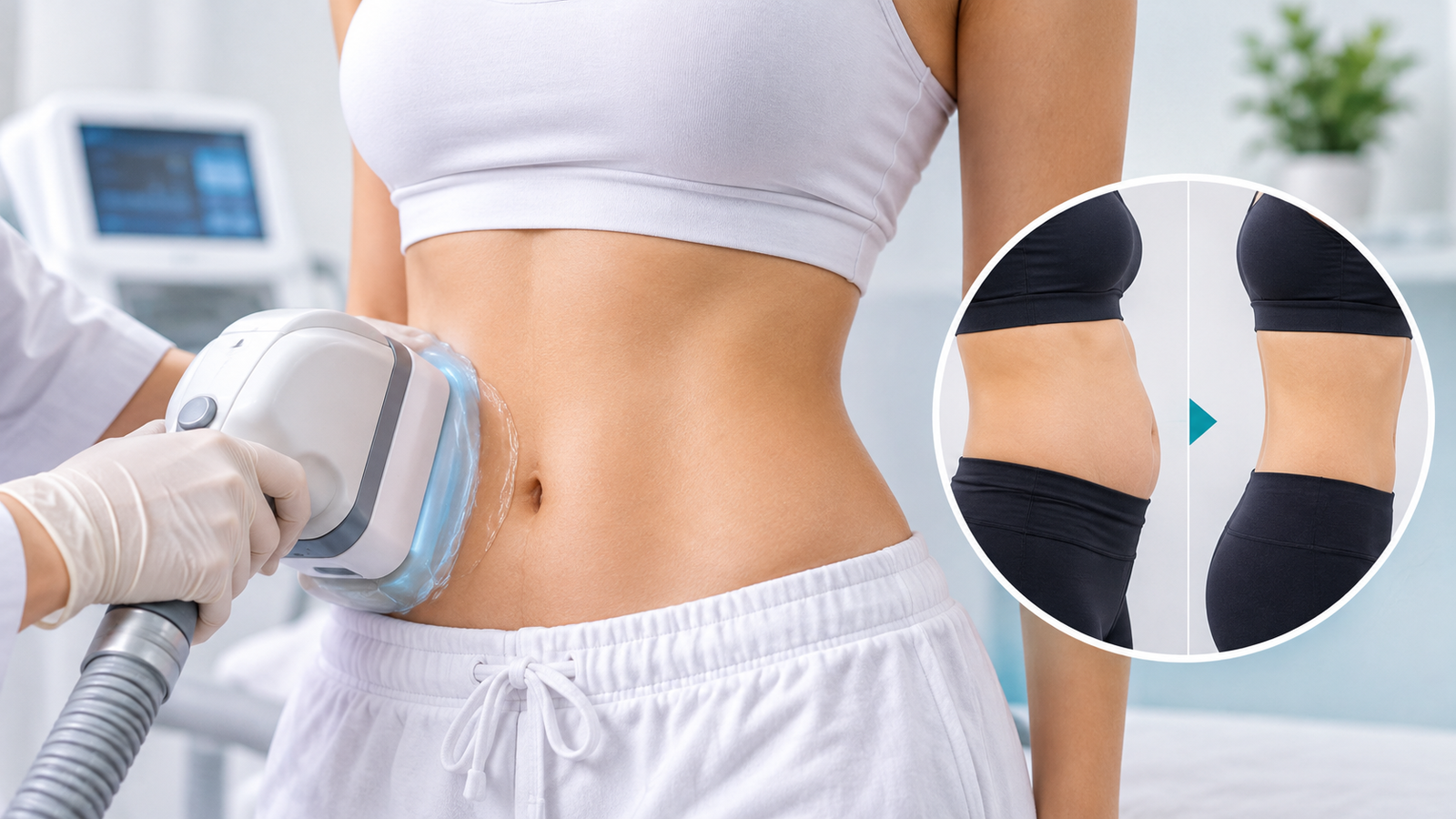
People searching for a body weight loss centre near me are often surprised by this. Fat freezing reduces the size of a treated area, but the scale may hardly move. If you need to lose several kilos, start with diet, activity, and medical guidance. Come back for shaping once your weight has settled, because the result looks smoother when your weight is steady.
How We Decide at TBTC
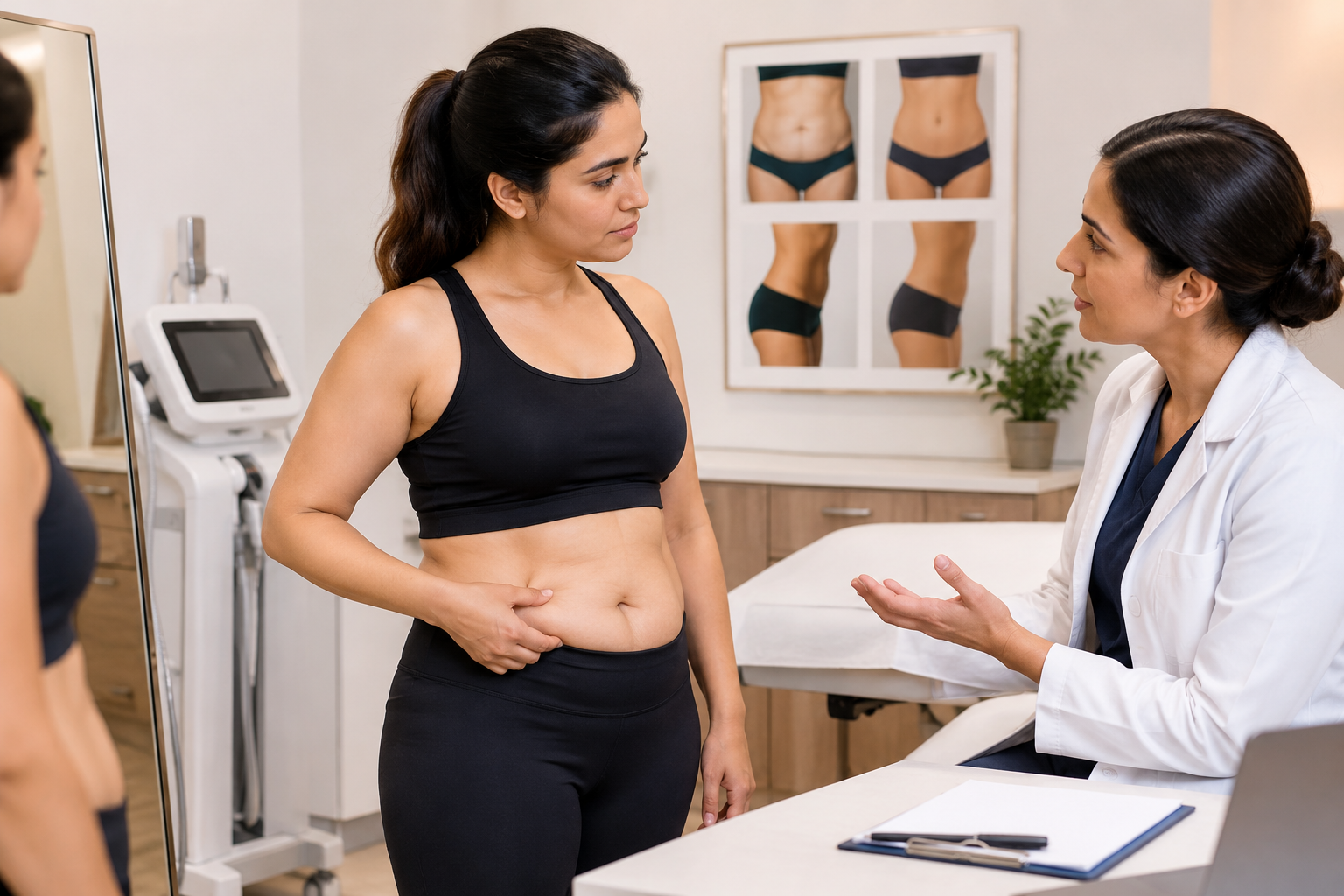
At The Body Theory Company (TBTC), every plan starts with a one-to-one consultation. We do not decide on BMI alone. Here is what we check:
- Height, weight, and BMI, to see the overall picture.
- A hands-on pinch check, to judge how thick and firm the fat is.
- Your medical history, to rule out anything that makes the treatment unsafe.
- Skin firmness, to see whether tightening might help as well.
- Your goals, so the plan and the expected result match.
If you are comparing cryolipolysis near me options, ask whether the clinic measures your fat before it books a session. A good plan should fit your body, not a fixed package.
If Fat Freezing Is Not the Right Fit
A lipolysis treatment clinic in Indore can often offer another route. Your practitioner may suggest one of these:
- Thicker or softer fat: ultrasound lipolysis or Body HIFU may suit better.
- Loose skin: RF skin tightening firms the skin instead of removing fat.
- Higher BMI: lose some weight first, then check again.
FAQs About Fat Freezing and BMI
1. What BMI is best for fat freezing?
A BMI of roughly 18.5 to 29.9 is usually the best range, especially with a firm, pinchable fat pocket and steady weight. The exact limit varies by clinic, and a personal assessment decides it.
2. Can I get fat freezing if my BMI is over 30?
Sometimes, but it needs an assessment first. A higher BMI often means thicker fat and a bigger area to treat, so the result can look less defined. Many practitioners suggest losing some weight first.
3. Can fat freezing help me lose weight?
No. It reduces fat cells in a treated area and changes your shape, but the number on the scale may barely change. It works best as a finishing step after you reach a steady weight.
4. How do I know if I have enough fat for fat freezing?
Pinch the area. If you can hold a clear, soft roll of fat that stays when you tense the muscle, you likely have enough. If you cannot pinch much, you may have mostly loose skin or deeper fat, which needs a different approach.
5. Who cannot have fat freezing?
People who are pregnant, underweight, or who have certain cold-related blood conditions should not have it. A hernia, open wound, or active skin problem in the area is also a reason to wait. A doctor should review your history first.
6. Do I need to lose weight before fat freezing?
Not always. If you are close to your usual healthy weight and have a stubborn pocket, you can often go ahead. If your weight is still changing or your BMI is high, losing weight first usually gives a better shape.
Conclusion
The right candidate for fat freezing is not decided by BMI alone. A BMI below about 30, steady weight, and a pinchable pocket of fat make a strong match, while very low BMI, certain medical conditions, and mostly deep fat call for a different plan.
As a fat reduction clinic in Indore, TBTC begins with a personal assessment so you know where you stand before you spend anything. Visit us at 1st Floor, near Shanti Niketan Gate, behind Bombay Hospital Service Road, Vasant Vihar Colony, Indore 452010, or call +91-7970007803.