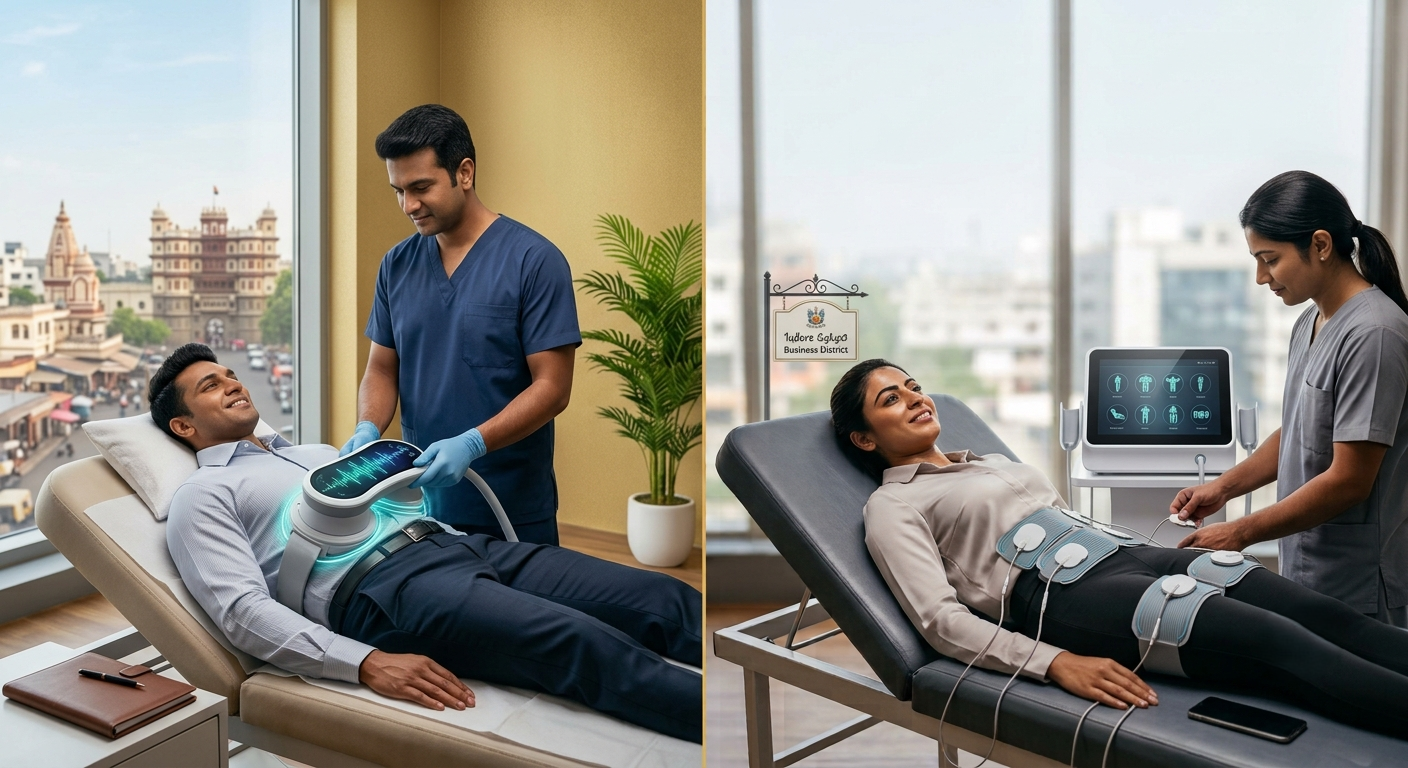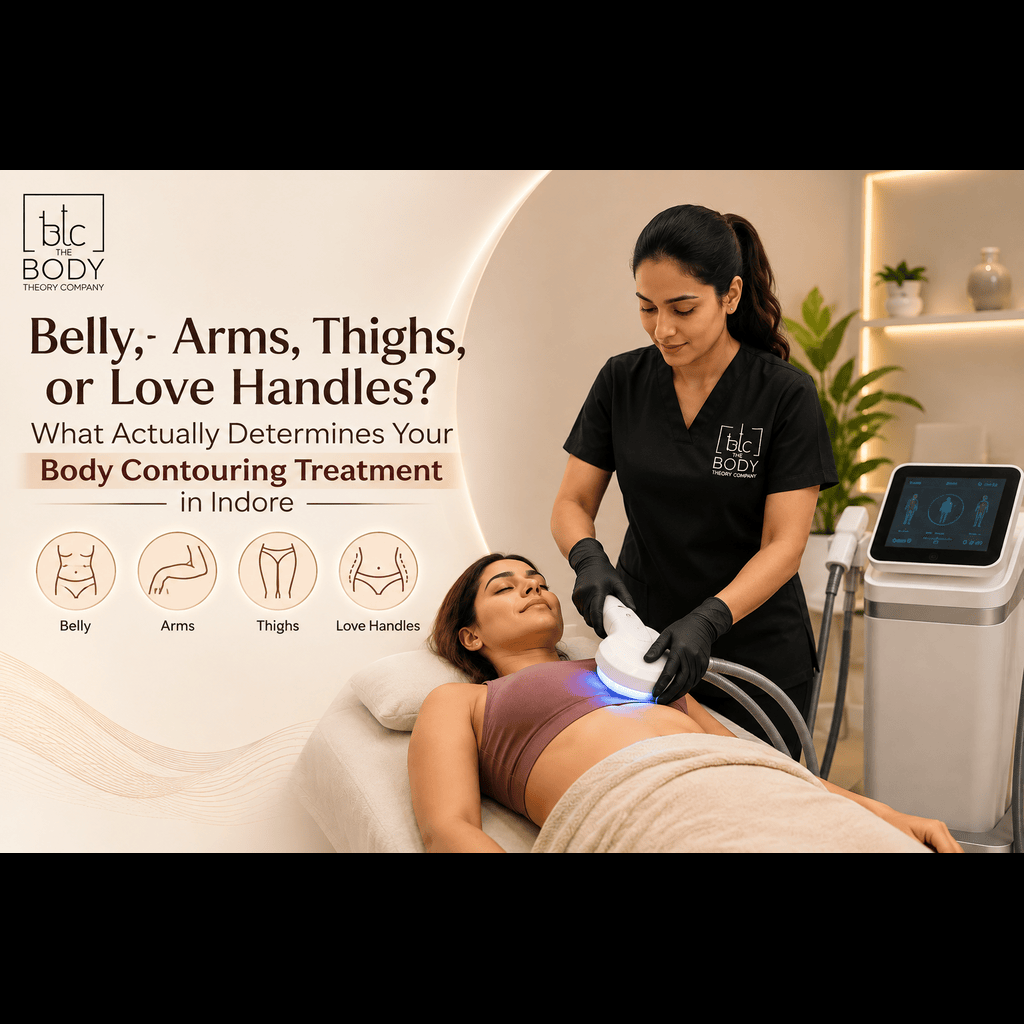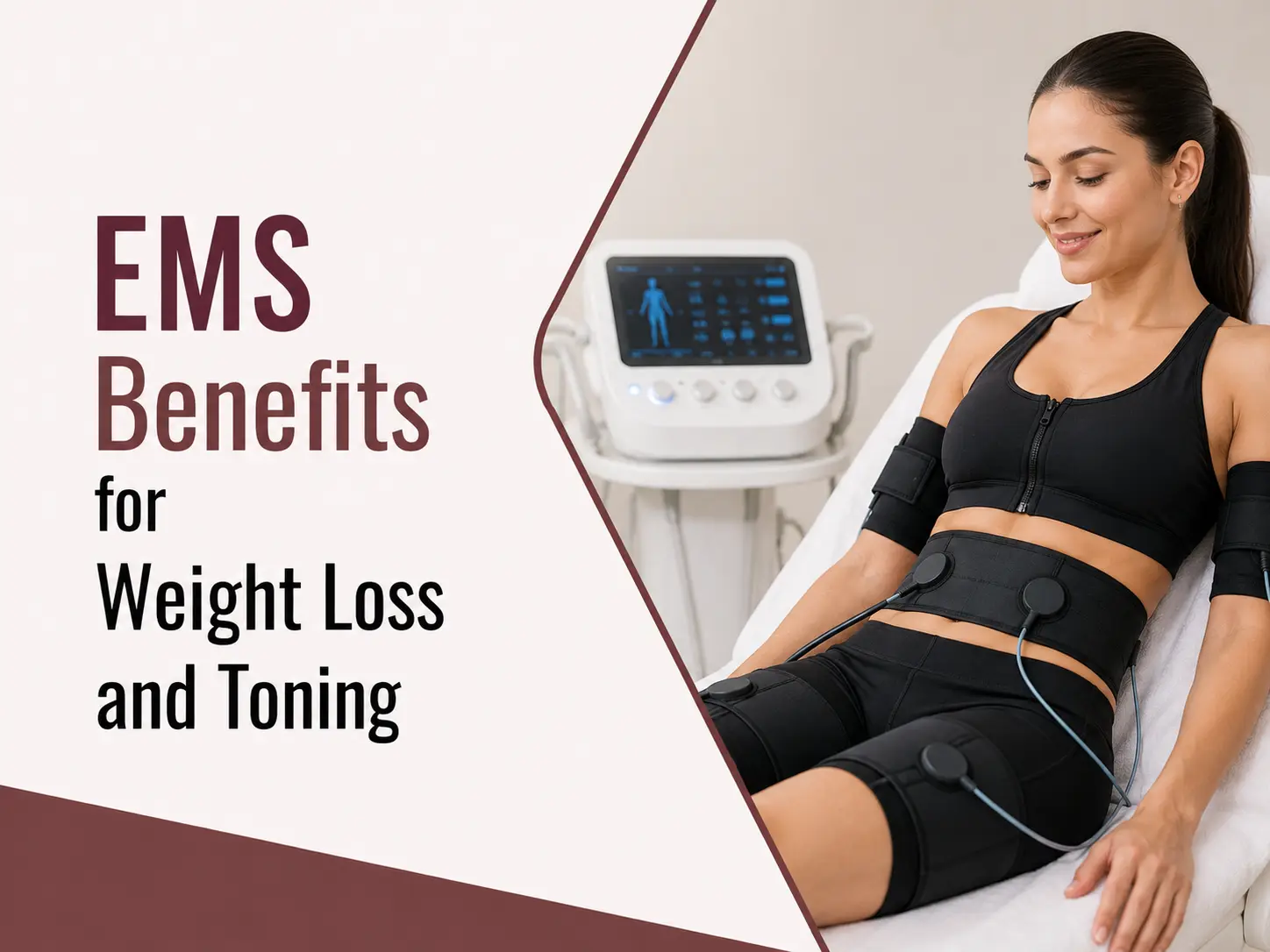
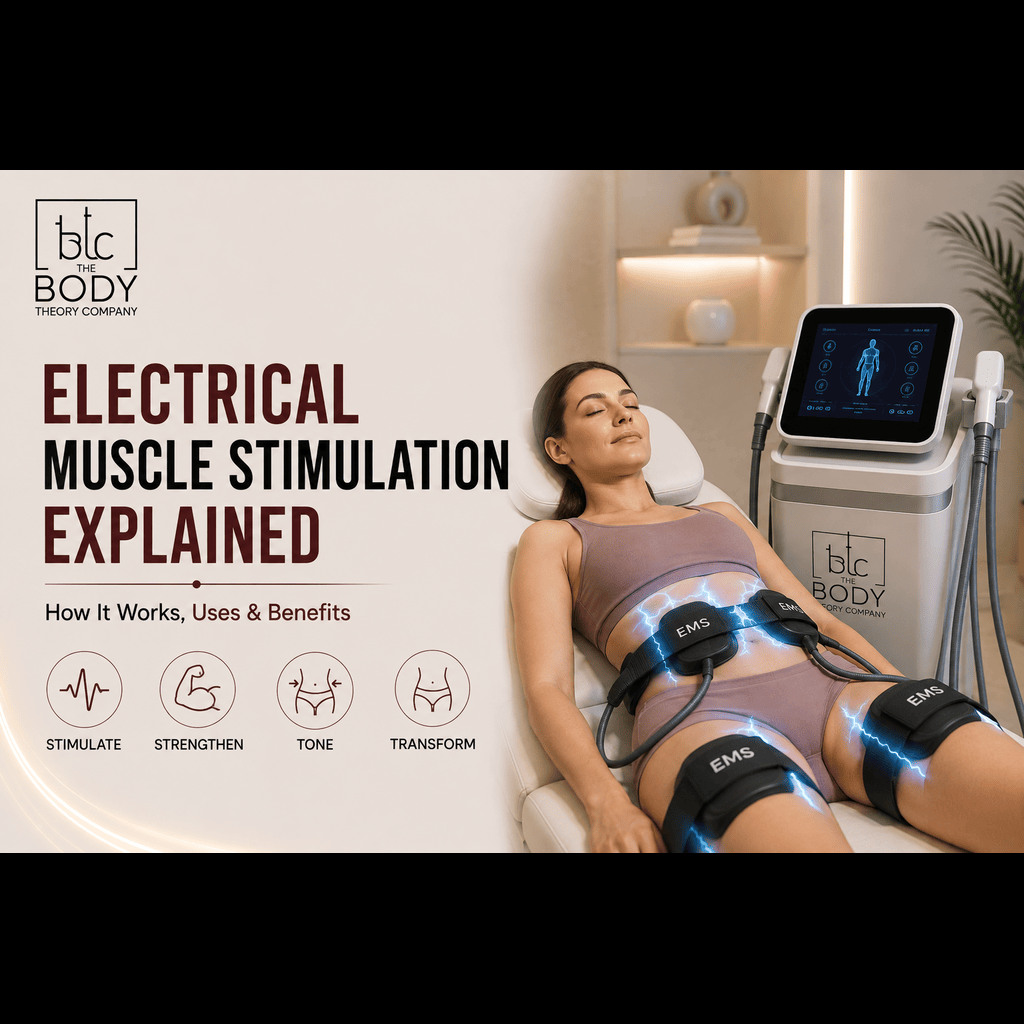
EMS works by sending controlled electrical impulses through the skin to make your muscles contract, the same way they would during a workout, except your brain isn’t sending the signal. A trained professional places electrode pads on the target muscle, and the electrical muscle stimulation machine in Indore takes over from there, firing pulses that force the muscle to tighten and release on its own.
If that sounds a little strange, you’re not alone. Most people picture EMS as some futuristic gadget from a fitness ad. In reality, it’s been used in physiotherapy clinics for decades, and the aesthetic version just borrows the same science to help you tone up faster.
What Actually Happens Inside Your Muscle During EMS?
Your muscles normally contract because your brain sends a signal down a nerve, telling the fibers to fire. EMS skips that step and delivers the signal directly through the skin.
Here’s the short version:
- The device sends low-frequency electrical pulses through electrode pads.
- Those pulses reach deep into the muscle layer, not just the surface.
- This can activate more muscle fibers at once than a voluntary contraction usually does.
- Settings and duration are adjusted by a trained professional based on your goals.
That last point matters more than people realize. The same EMS devices electronic muscle stimulators used in a physiotherapy clinic can be dialed up or down depending on whether you’re recovering from an injury or trying to tone your abs.
Where Is EMS Actually Used?
EMS isn’t a one-trick treatment. It shows up in a few very different settings, and each one uses it slightly differently.
- Muscle strengthening for people with weak or underused muscles, often after an injury or a long period of inactivity.
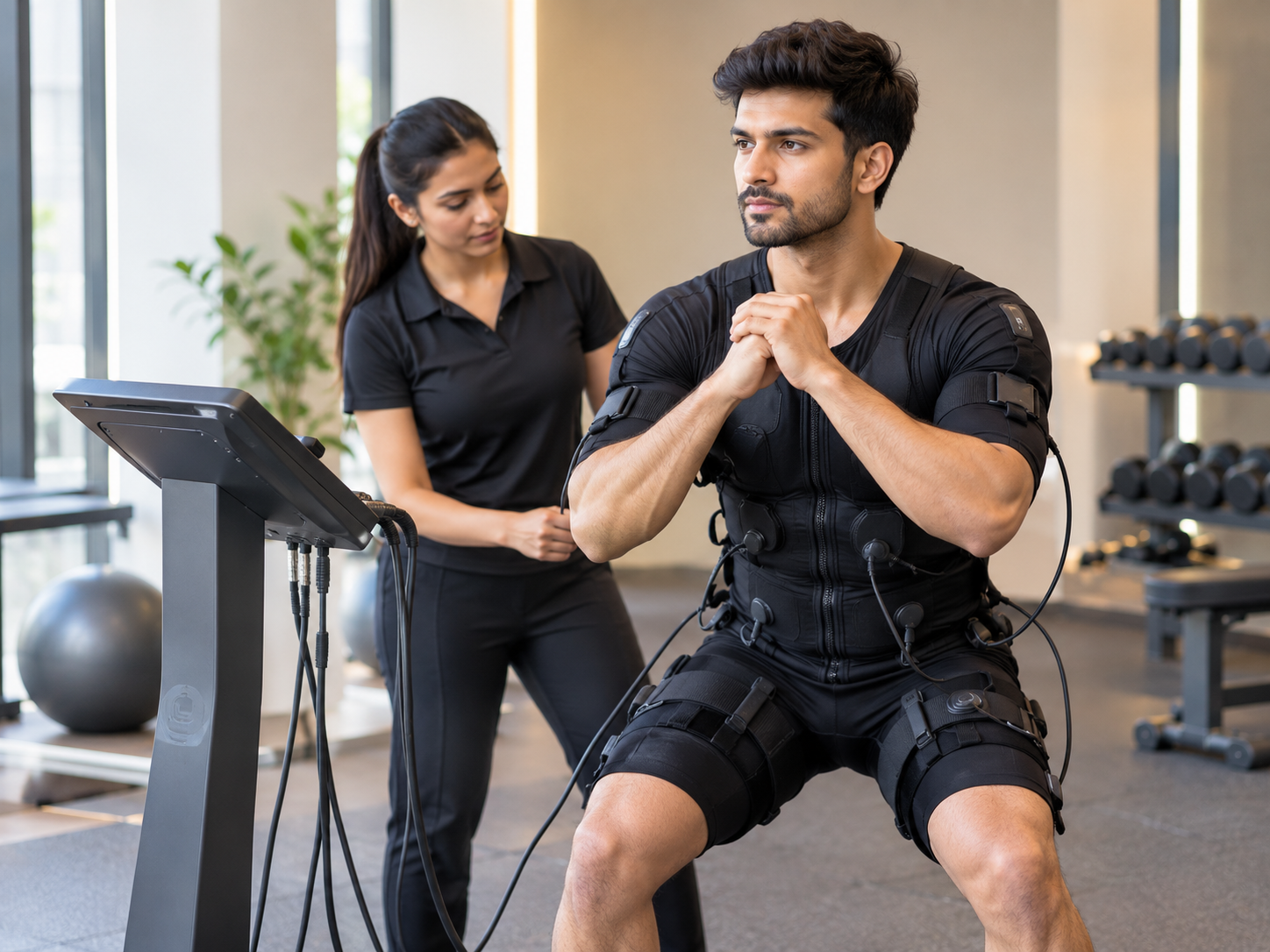
- Athletic training, where athletes use EMS alongside regular workouts to support endurance and recovery.
- Rehabilitation, a use case backed by physical therapy associations, since electrical stimulation genuinely helps muscles regain strength after surgery or injury.
- Body contouring, where EMS improves muscle firmness in areas people are already working on with other treatments.
If you’ve ever wondered why your physiotherapist and your aesthetic clinic both talk about the same technology, this is why. The underlying science barely changes, only the goal does.
What Does an EMS Session Actually Feel Like?
Most sessions run between 20 and 40 minutes, and the sensation is more intense than uncomfortable, a strong, rhythmic tightening rather than sharp pain.
Here’s what to expect walking in:
- Electrode pads are placed on the muscle group you’re targeting.
- The technician gradually increases intensity until you feel a firm, controlled contraction.
- There’s no cutting, no injections, and no downtime afterward.
- Most people go straight back to their day right after the session ends.
Is Electrical Muscle Stimulation Safe for Everyone?
EMS is considered safe when it’s done by trained professionals using certified equipment, but it isn’t right for every single person.
You should skip EMS if you have any of the following:
- A pacemaker or another implanted electronic device
- Certain heart conditions
- Epilepsy
- Metal implants in the treatment area
- Pregnancy
This is exactly why the equipment and the person operating it matter just as much as the treatment itself. Using a certified electric muscle stimulator physical therapy device with proper supervision is what keeps sessions safe rather than risky.
Does EMS Replace Going to the Gym?
No, and this is the most common misunderstanding about EMS. It complements your workouts, it doesn’t stand in for them.
- Regular exercise builds cardiovascular fitness and overall strength, which EMS doesn’t do.
- EMS activates specific muscle groups more intensely in a short session.
- Combining both usually gives better results than relying on either one alone.
- EMS does not burn fat directly, though toned muscle underneath can make treated areas look more defined.
How Many Sessions Do You Actually Need?
For general muscle toning, most people need 6 to 10 sessions spread out over several weeks, followed by occasional maintenance visits.
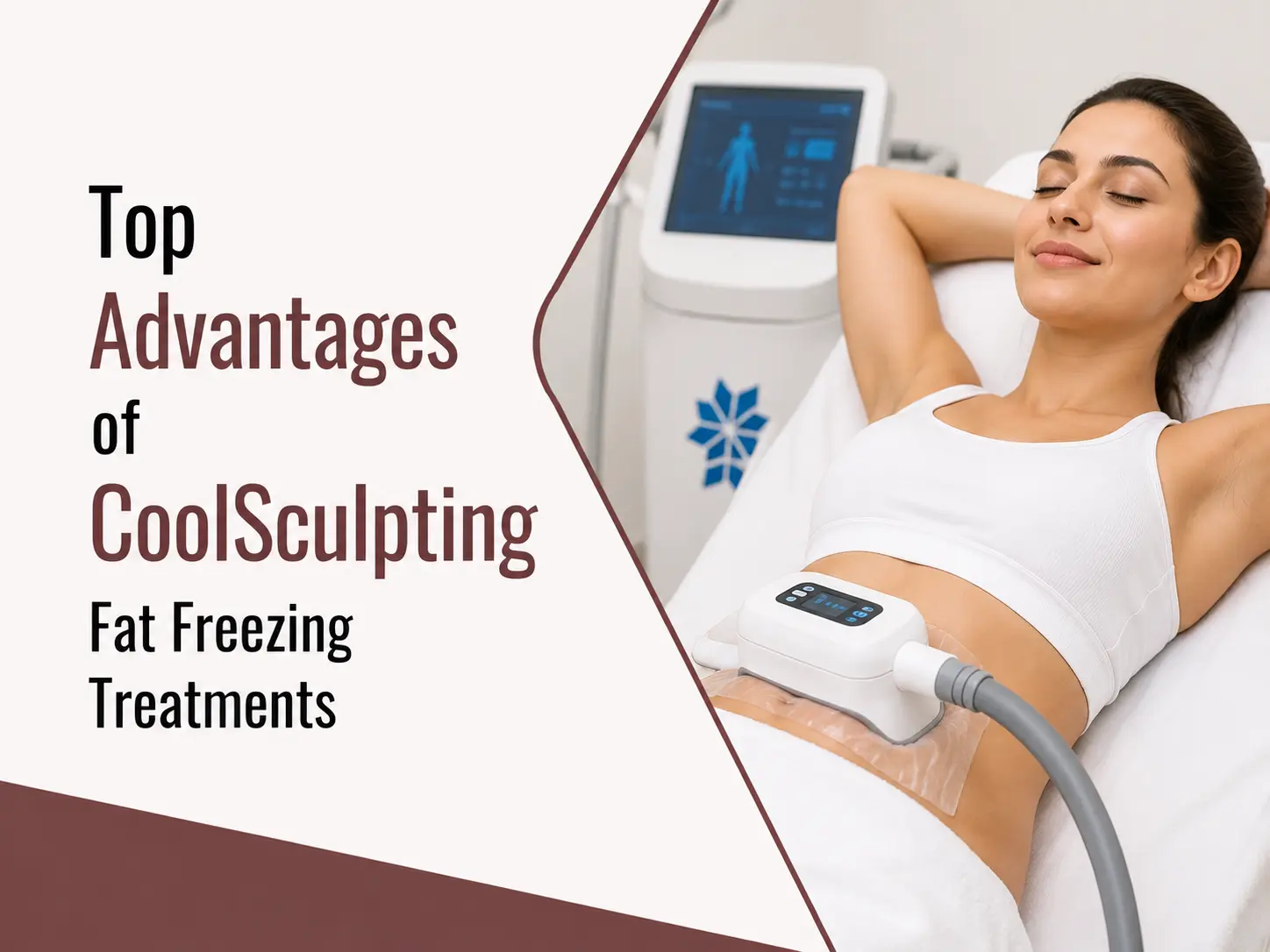
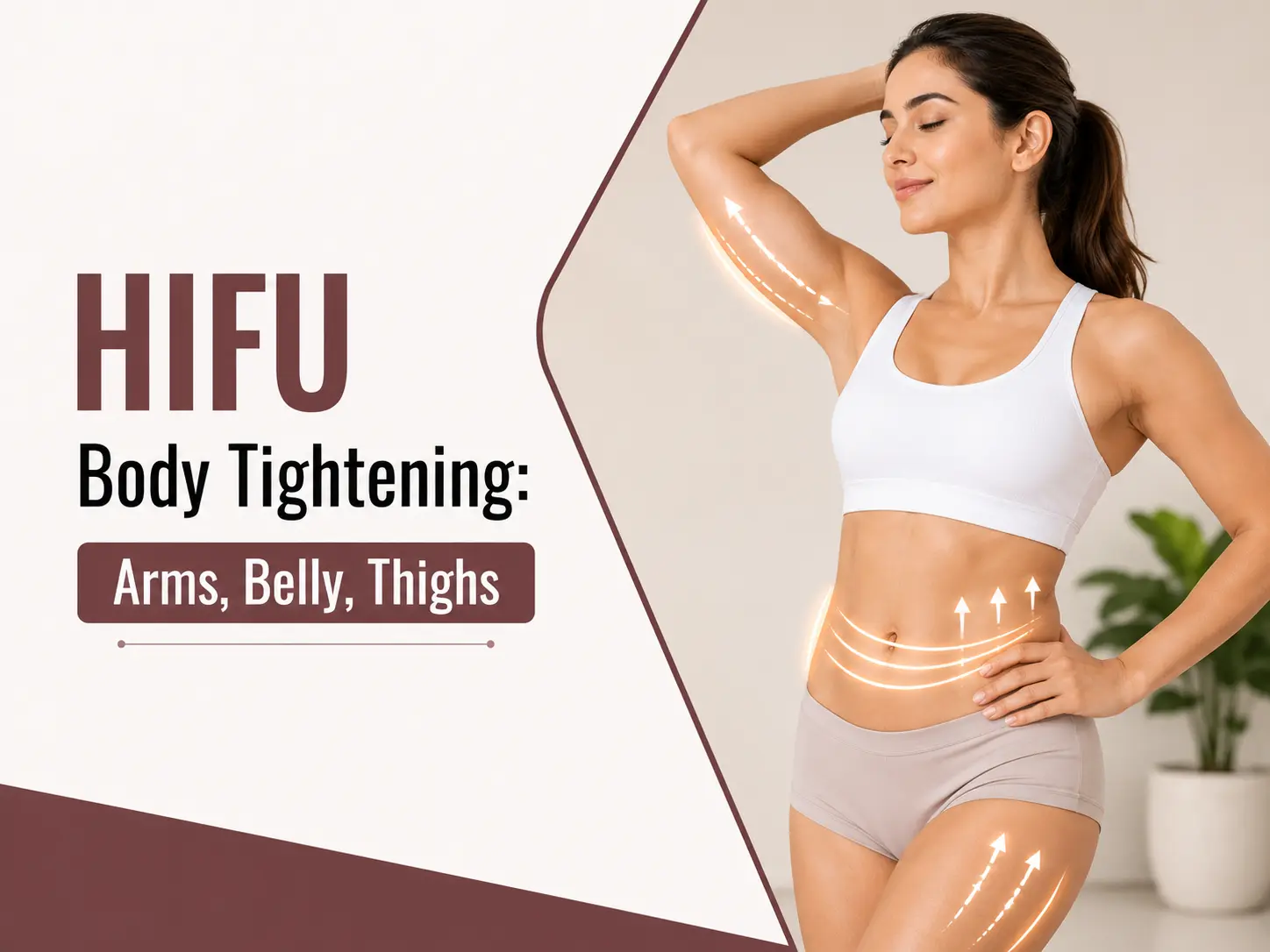
Results build gradually rather than overnight, and that’s normal. Clients who pair EMS with a broader body contouring plan usually notice more visible definition within a few weeks, simply because the treated muscle has something to show through once fat in that area is also reduced. If you’re curious how EMS fits alongside fat reduction treatments specifically, this piece on EMS benefits for weight loss and toning breaks that combination down in more detail.
Frequently Asked Questions
1. Does EMS help reduce belly fat?
EMS tones the muscle underneath the fat layer but doesn’t burn fat directly on its own. It works best alongside a dedicated fat reduction treatment rather than as a stand-alone fat loss method.
2. Is EMS painful?
Most people feel a strong, tight contraction rather than pain, and the intensity can be adjusted to your comfort level throughout the session. It’s more intense than uncomfortable for the vast majority of clients.
3. How soon will I notice results from EMS?
Some muscle firmness can show up after just a few sessions, but fuller results usually take several weeks of consistent treatment. Everyone’s timeline varies slightly based on their starting point and how the muscle responds.
4. Is EMS safe for everyone?
EMS is safe for most healthy adults, but it isn’t recommended for people with pacemakers, certain heart conditions, epilepsy, or metal implants in the treatment area. A quick consultation before starting rules out any concerns for your specific case.
5. Can EMS replace regular gym workouts?
No, EMS complements exercise rather than replacing it. Traditional workouts still handle cardiovascular fitness and overall strength in a way EMS alone can’t.
Book Your Consultation
Understanding how EMS actually works makes it a lot easier to set realistic expectations before you start. If you’re ready to see whether it fits your goals, book a consultation with The Body Theory Company and get a session plan built around your body, not a generic package.