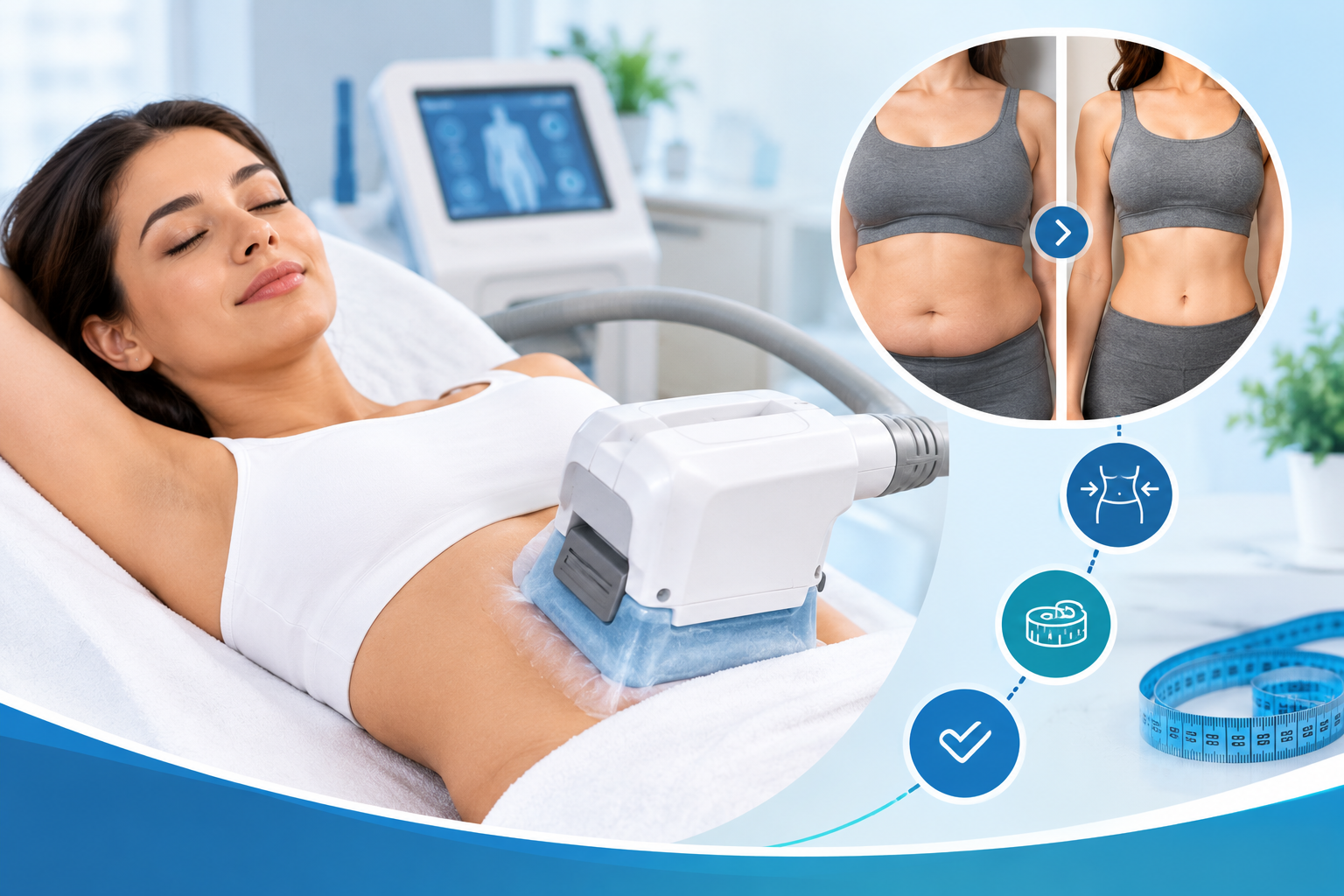

High-intensity focused ultrasound therapy uses focused sound energy, not lasers or heat pads, to reach fat cells and deeper skin layers without cutting the surface, triggering both fat cell breakdown and fresh collagen production in one session. It’s one of the few non-surgical treatments that genuinely does two jobs at once, tightening skin while also reducing fat underneath it. Here’s what it actually does, without the marketing spin.
Finding the best clinic for fat reduction in Indore actually trusts matters here more than with most treatments, since HIFU’s results depend heavily on how precisely the energy is calibrated to your skin and fat depth. Here’s what’s actually going on beneath the surface, and what a realistic outcome looks like.
What Is HIFU, Exactly?
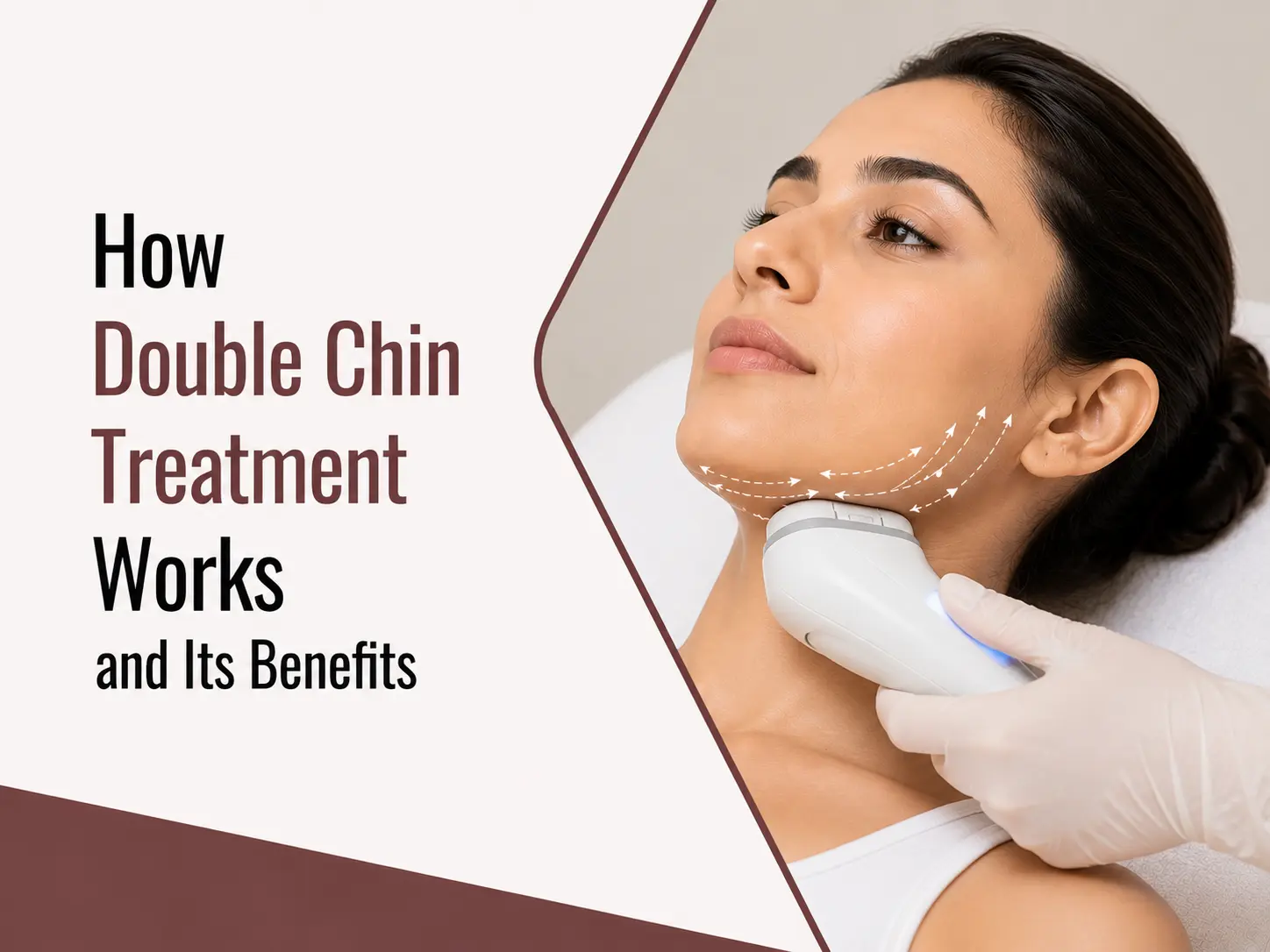
HIFU sends focused ultrasound energy through the skin’s surface without damaging it, aiming at deeper tissue layers where collagen is produced. That energy creates controlled heat at a precise depth, which does two things: it stimulates fresh collagen production, and it can disrupt fat cell structure in the treated area.
Over the following weeks, your body naturally clears out the damaged fat cells while rebuilding firmer tissue where the collagen was stimulated. Nothing about the process involves cutting, needles, or downtime.
What Makes HIFU Different From Everything Else
Most body contouring treatments do one job well. HIFU tends to do two at once:
- Precision. Energy is delivered only at the depth needed, leaving surrounding tissue untouched
- Dual action. It tightens skin and can reduce fat in the same session
- No recovery time. You go straight back to your day
- Gradual, natural-looking results. Nothing looks sudden or overdone
This combination is why HIFU has become a go-to option for people who want firmness and shape improvement without choosing between the two.
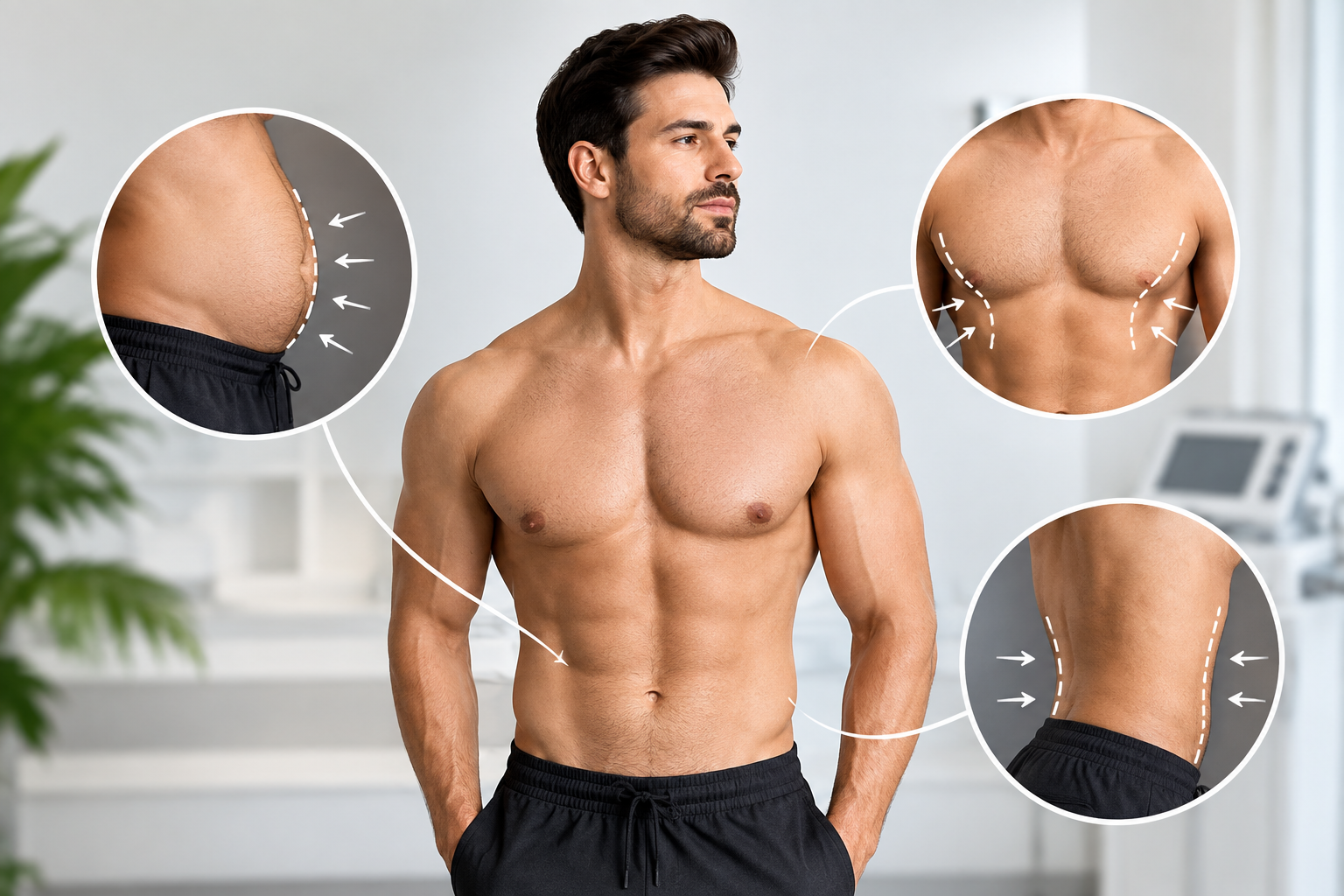
Where HIFU Works Best on the Body
As collagen naturally declines with age, skin loses its bounce, particularly around the face, neck, and abdomen. HIFU for skin tightening specifically targets this by triggering fresh collagen in these areas:
- Face and jawline
- Neck
- Abdomen
- Arms
- Thighs
The tightening effect isn’t immediate. It builds gradually as new collagen forms, usually becoming most visible over 8 to 12 weeks.
What Happens During a Session
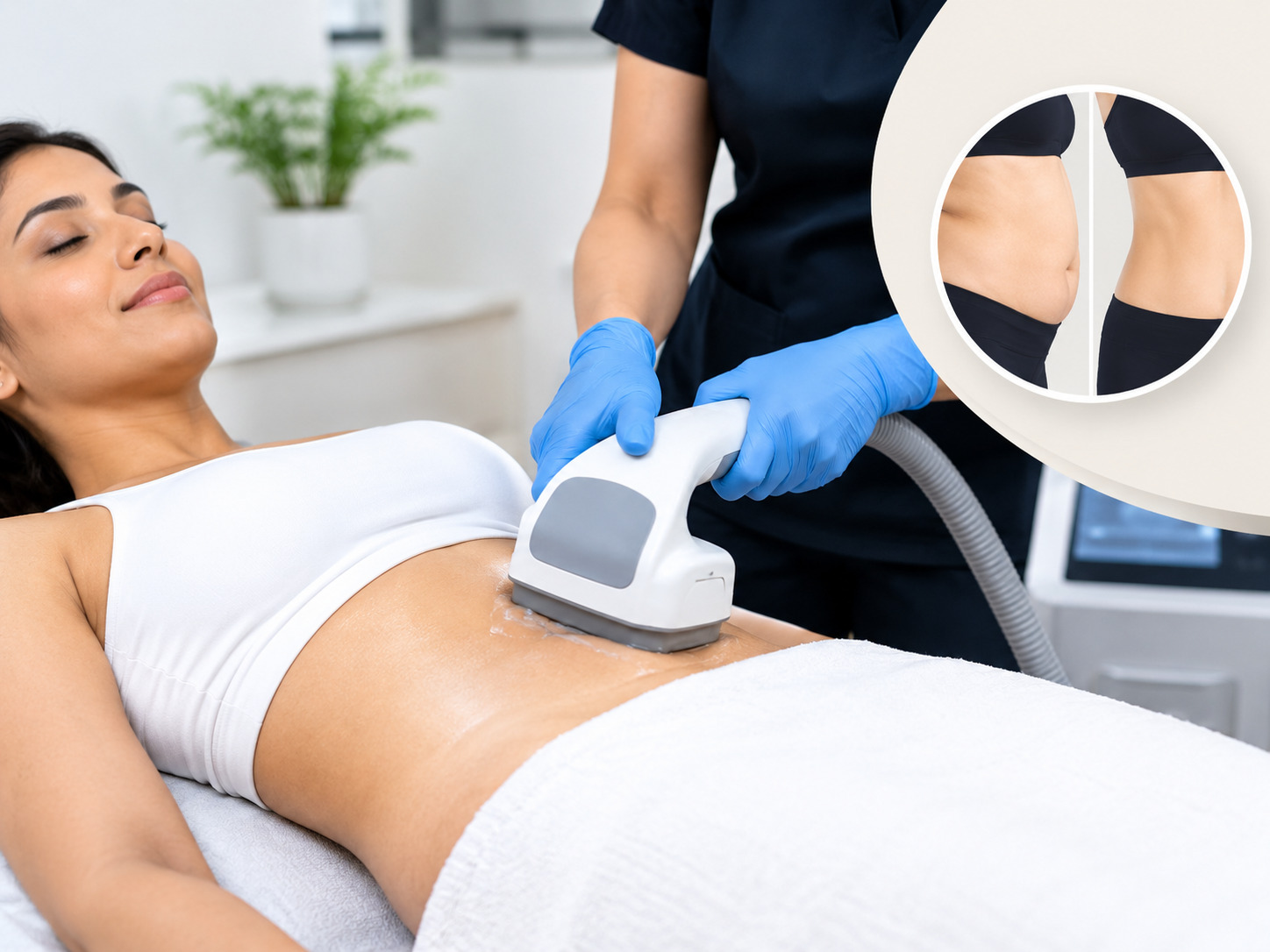
A typical session runs 30 to 90 minutes depending on the treatment area. Here’s the general flow:
- Skin assessment and marking of the treatment zone
- Ultrasound gel applied to the area
- Focused energy delivered in controlled passes
- A warm or mild tingling sensation throughout
- You resume your day immediately after
Most people describe the sensation as manageable warmth rather than pain.
Curious what a session would actually feel like on your skin? Book a Free HIFU Assessment → A quick consultation tells you honestly whether HIFU fits your goals.
How Long Results Actually Last
Results generally hold for a year or longer, depending on your age, skin condition, and lifestyle habits. To stretch results out:
- Stay hydrated
- Maintain a consistent weight
- Follow a basic skincare routine
- Stay reasonably active
Some clients schedule a maintenance session once a year, particularly for the face and neck, where collagen naturally continues to decline with age.
Is HIFU Right for You?
HIFU tends to suit people dealing with mild to moderate skin laxity alongside a specific area of stubborn fat, rather than significant loose skin or major weight loss goals. It’s genuinely not a substitute for diet and exercise; it’s a shaping and firming tool layered on top of a reasonably stable weight.
If you’re wondering whether the fat-reduction side of HIFU actually delivers measurable results, it’s worth reading our honest look at whether HIFU genuinely works for fat loss, which goes deeper into the clinical evidence than this overview does.
What HIFU Typically Costs
Pricing depends on the treatment area, how many sessions your plan needs, and whether the clinic is using genuinely FDA-approved equipment. If you’ve searched hifu body treatment price and found wildly different numbers across clinics, that gap is usually explained by equipment quality, cheaper, unverified devices can undercut on price but rarely deliver comparable precision or results.
At The Body Theory Company, only FDA-approved HIFU technology is used, with transparent pricing discussed during your free consultation rather than buried in fine print. The clinic is located near Shanti Niketan Gate, behind Bombay Hospital, in Vasant Vihar Colony, Indore, for anyone who wants to see the equipment and ask questions directly.
Frequently Asked Questions
1. Is high-intensity focused ultrasound HIFU painful?
Most people feel mild warmth or tingling during the session, not real pain. Anesthesia isn’t required.
2. How many HIFU sessions will I need?
Many people see noticeable results after just one session, especially for skin tightening. Your specialist may recommend a follow-up session depending on your specific goals.
3. Can HIFU be combined with other treatments?
Yes. It’s often paired with fat-freezing or RF treatments for a more complete contouring result, especially when both fat and skin laxity are present.
4. What’s the difference between HIFU and regular ultrasound treatments?
HIFU concentrates ultrasound energy at a precise depth to trigger a therapeutic effect, unlike diagnostic ultrasound, which is designed for imaging rather than tissue change. The focused, high-intensity delivery is what makes HIFU effective for skin tightening and fat reduction.
See What HIFU Can Do for Your Skin and Shape
If sagging skin or a stubborn fat pocket has been bothering you despite your best efforts, a HIFU consultation will tell you exactly what to expect, with no guesswork. Book your free HIFU consultation today and find out if this treatment fits your goals.